
Most hydration advice falls into two buckets: either it is so vague it is useless, or it turns into a math problem you never do. Let’s fix that with a quick estimate you can actually use, then adjust it based on your real life.
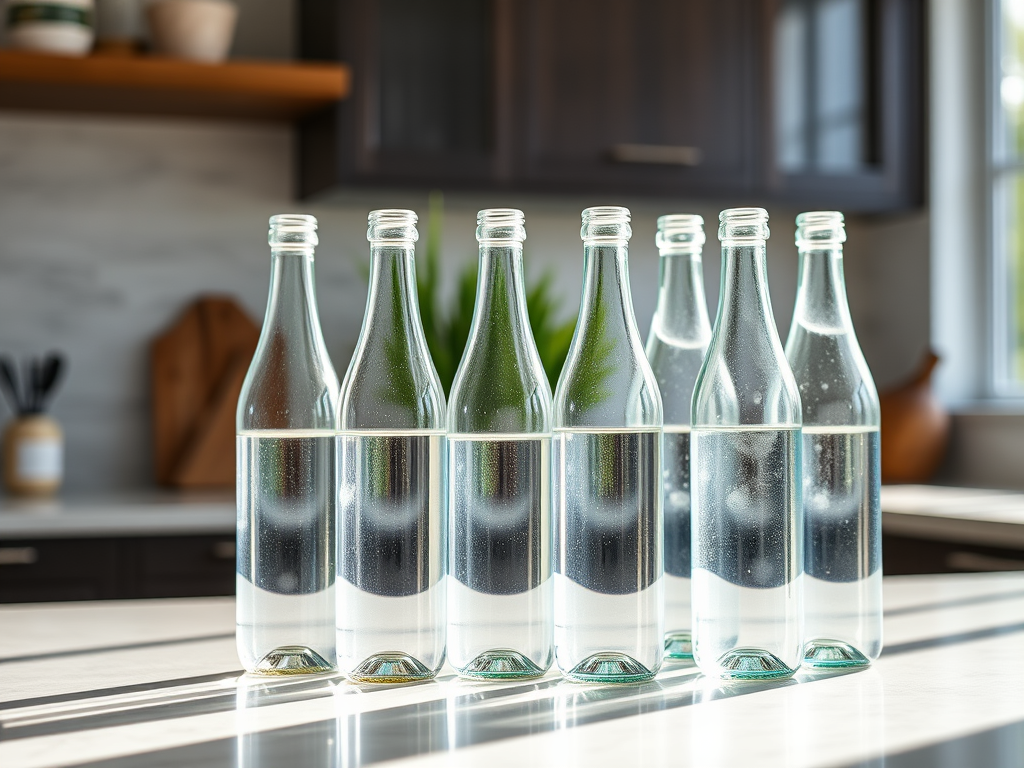
And if you want hydration to feel easier, not harder, keep a couple glass bottles in rotation so “drinking water” is not a constant decision. Grab distilled water from Distilled Fulfilled here.
The 30-Second Baseline
This is a clean starting point that works for most adults as an everyday estimate:
- Take your body weight in pounds.
- Divide by 2.
- That number is your baseline ounces per day.
Example: 160 lb ÷ 2 = 80 oz per day.
If you prefer liters: ounces ÷ 34 gives you a quick liters estimate.
- 80 oz ÷ 34 ≈ 2.35 L
Why this works
It is simple, it is consistent, and it gives you a target that is easy to scale up or down without obsessing.
Now Adjust It With Three Real-Life Factors
The baseline is “normal day” water. Most people are not living “normal day” most days. Here’s the easiest adjustment system.
1) Activity
- Light movement (walking, errands): add 8 to 16 oz
- Workout (sweat involved): add 16 to 24 oz
- Hard training (long or intense): add 24 to 40 oz
2) Heat and dry air
- Warm day or sun exposure: add 8 to 16 oz
- Hot day or outdoor time: add 16 to 32 oz
3) “Dehydration tax” habits
You do not need to fear coffee. Just account for your day:
- Lots of caffeine (multiple coffees, energy drinks): add 8 to 16 oz
- Alcohol: add 12 to 16 oz per drinking session
- Very salty meals: add 8 to 16 oz
Rule of thumb: If you are sweating, in heat, or stacking caffeine, you probably need a little more than your baseline. If you are mostly indoors and sedentary, the baseline is often enough.
The “Good Enough” Daily Formula
Use this as your final estimate:
Daily water target (oz) = (Body weight ÷ 2) + activity add-on + heat add-on + habit add-on
Example day:
- 160 lb person baseline: 80 oz
- Workout: +20 oz
- Warm day: +12 oz
- Two coffees: +8 oz
Total target: 80 + 20 + 12 + 8 = 120 oz
That sounds like a lot until you realize it is just a few fill-ups spaced through the day.
The Easiest Way to Hit Your Number Without Thinking About It
Instead of tracking ounces all day, convert your target into “bottles” or “refills.”
- If your bottle is 16 oz, then 80 oz is 5 bottles.
- If your bottle is 20 oz, then 80 oz is 4 bottles.
- If your bottle is 32 oz, then 80 oz is about 2.5 bottles.
A simple pacing plan
- Morning: 1 bottle
- Midday: 1 to 2 bottles
- Afternoon: 1 bottle
- Evening: 1 bottle (earlier if late-night bathroom trips annoy you)
If you want a hydration setup that feels clean and premium, not plasticky and random, shop Distilled Fulfilled here and keep a few bottles ready to grab.
How to Tell If Your Estimate Is Working
No guilt. No spreadsheets. Just a few practical signals.
- Good sign: You feel steady energy, fewer headaches, and your thirst is not screaming at you late in the day.
- Good sign: Your urine is generally pale yellow (not totally clear all day, not dark).
- Adjust up a bit if: You feel dry mouth, frequent headaches, constipation, or you are consistently very thirsty.
- Adjust down a bit if: You are constantly running to the bathroom and forcing water feels like a job.
Quick note: If you have kidney or heart conditions, are pregnant, or have medical guidance about fluid intake, follow that guidance first.
A No-Drama Hydration Checklist
- Start with weight ÷ 2 in ounces.
- Add 16 to 24 oz if you sweat from exercise.
- Add 8 to 16 oz if it is hot or dry.
- Convert your number into bottles per day.
- Keep water visible and easy to grab so you do not rely on willpower.
Want the simplest version of all? Make the water you actually like to drink the water you keep within reach. Distilled Fulfilled is right here.
Leave a Reply