
Author: Tony Torres II
-

The Desk-to-Dinner Water Routine: Hydration for Workdays That Never Really Stop
The text emphasizes the importance of establishing a practical hydration routine during busy workdays. It suggests creating designated water stations at key locations like the desk, car, and kitchen to facilitate regular water intake. Utilizing distilled water in reusable glass containers provides a simple, low-maintenance solution for maintaining hydration throughout the day.
-
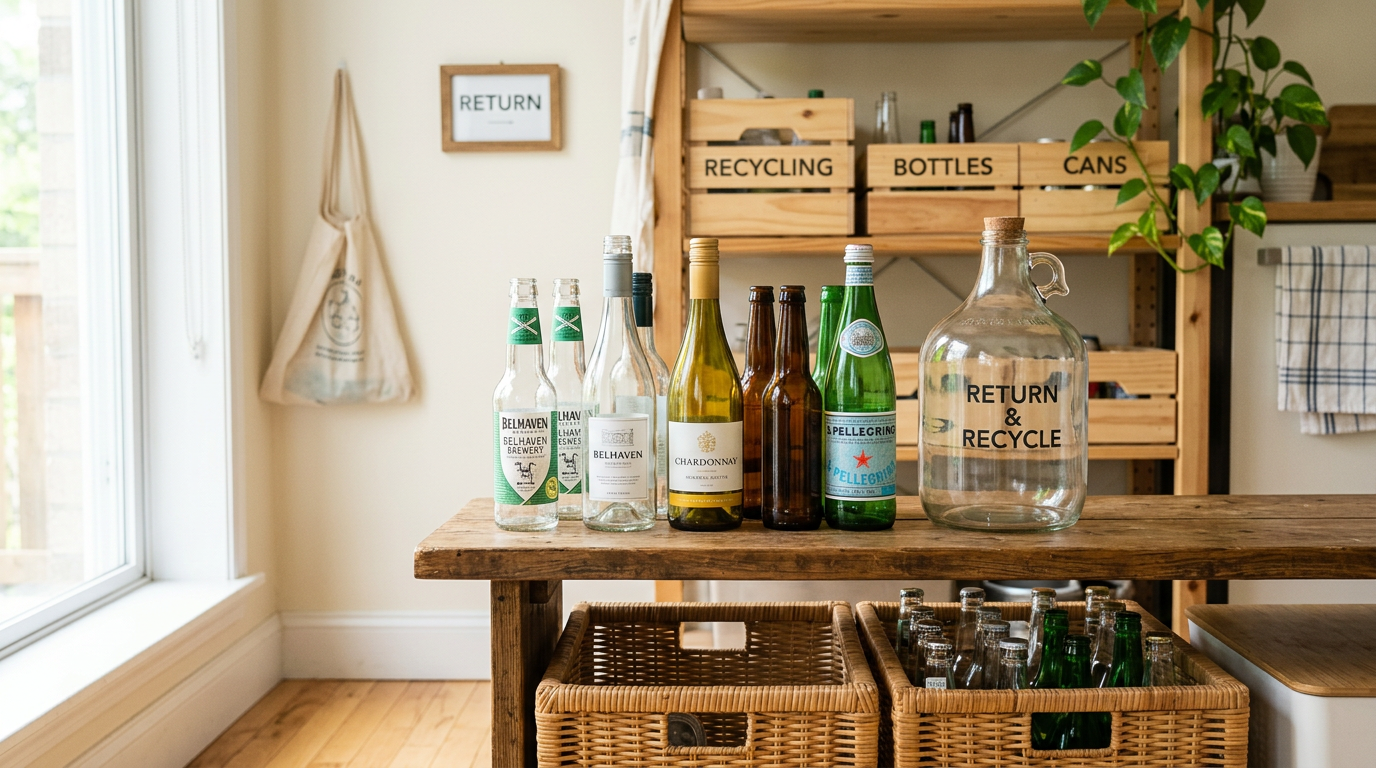
Bottle Return Etiquette: How Customers Help Keep a Glass Refill System Working
A reusable glass bottle system thrives on user habits that promote proper bottle care and return. By establishing a designated return area, ensuring bottles are empty and only used for water, and avoiding contamination, users help maintain efficiency and prevent damage. This organization enhances the sustainability of glass reuse, benefiting both customers and service providers.
-

Distilled vs. De-ionized vs. RO vs. Ultra-pure Water: Choosing Water by the Application
Choosing the right type of water involves understanding the treatment processes and quality standards associated with terms like distilled, deionized, and ultrapure. Each type serves specific applications, from everyday drinking to laboratory needs, highlighting the importance of selecting water based on intended use rather than generalized labels.
-
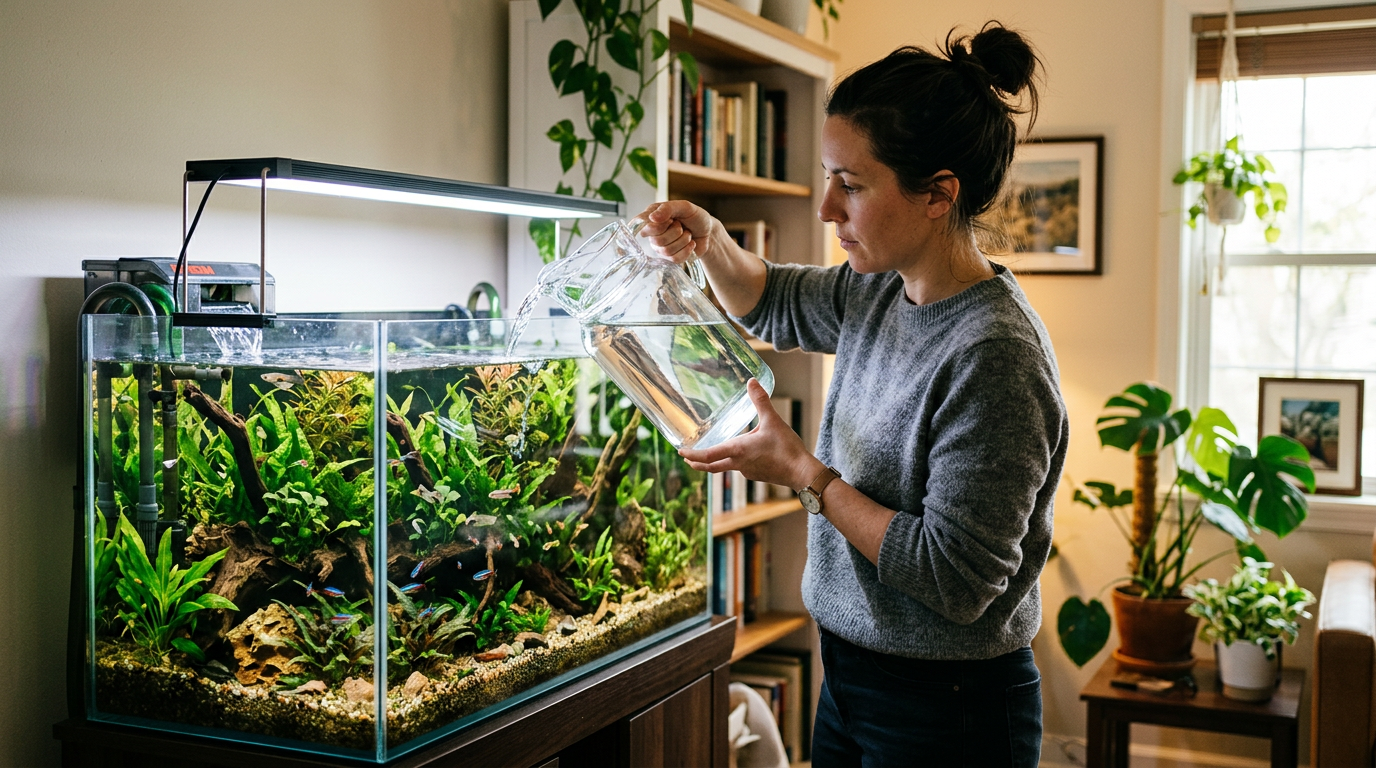
Aquarium Evaporation Top-Offs: Why Replacing Water Is Different From a Water Change
Aquarium maintenance requires understanding the distinction between topping off for evaporation and performing water changes. While topping off restores water volume without cleaning, water changes remove waste and improve water quality. Distilled water is often used for evaporation top-offs due to its low mineral content, but it cannot universally substitute for habitat water without proper…
-

The Golf Day Hydration Plan: From the First Tee to the 19th Hole
Golf requires a practical hydration plan to cope with extended time outdoors. Preparation is essential, starting the night before with clean water ready to go. Using reusable glass bottles promotes sustainability, though compliance with course rules is vital. A good setup ensures hydration is accessible throughout the round to avoid discomfort.
-

Water Delivery for LA Hillside Homes: Stairs, Gates, Driveways, and Real Delivery Logistics
Los Angeles hillside homes present unique challenges for distilled water delivery due to steep drives, narrow pathways, and security gates. Effective communication regarding access routes, parking spots, and stair details is essential for smooth service. Proper planning and clear instructions can significantly improve delivery reliability, ensuring convenient and safe handling of reusable glass bottles.
-

Vinyl Record Cleaning With Distilled Water: A Cleaner Final Rinse for Your Collection
Vinyl enthusiasts emphasize clean records for optimal sound quality, often using distilled water as a final rinse to remove cleaning solution residues. While not a miracle cleaner, distilled water minimizes mineral deposits left by tap water. A careful, methodical cleaning routine—including dust removal, proper solutions, and gentle drying—is crucial for maintaining records effectively.
-

Stocks and Broths: Why the Water Matters When Most of the Pot Is Water
Water is an essential but often overlooked ingredient in making stock and broth, as it influences flavor extraction significantly. Using distilled water, which is low in minerals, can enhance clarity and consistency in delicate stocks. While not universally superior, it’s beneficial for recipes requiring subtle flavors and helps in seasoning accurately.
-

Power Outage Water Planning: Drinking, Cooking, Pets, and What Changes When the Power Goes Out
Power outages can disrupt water access, but they don’t automatically render tap water unsafe. It’s vital to have a water plan, including stored drinking water, no-cook foods, and an understanding of your home’s water system. Follow official guidance for safety and ensure pets have sufficient water and food during outages.
-
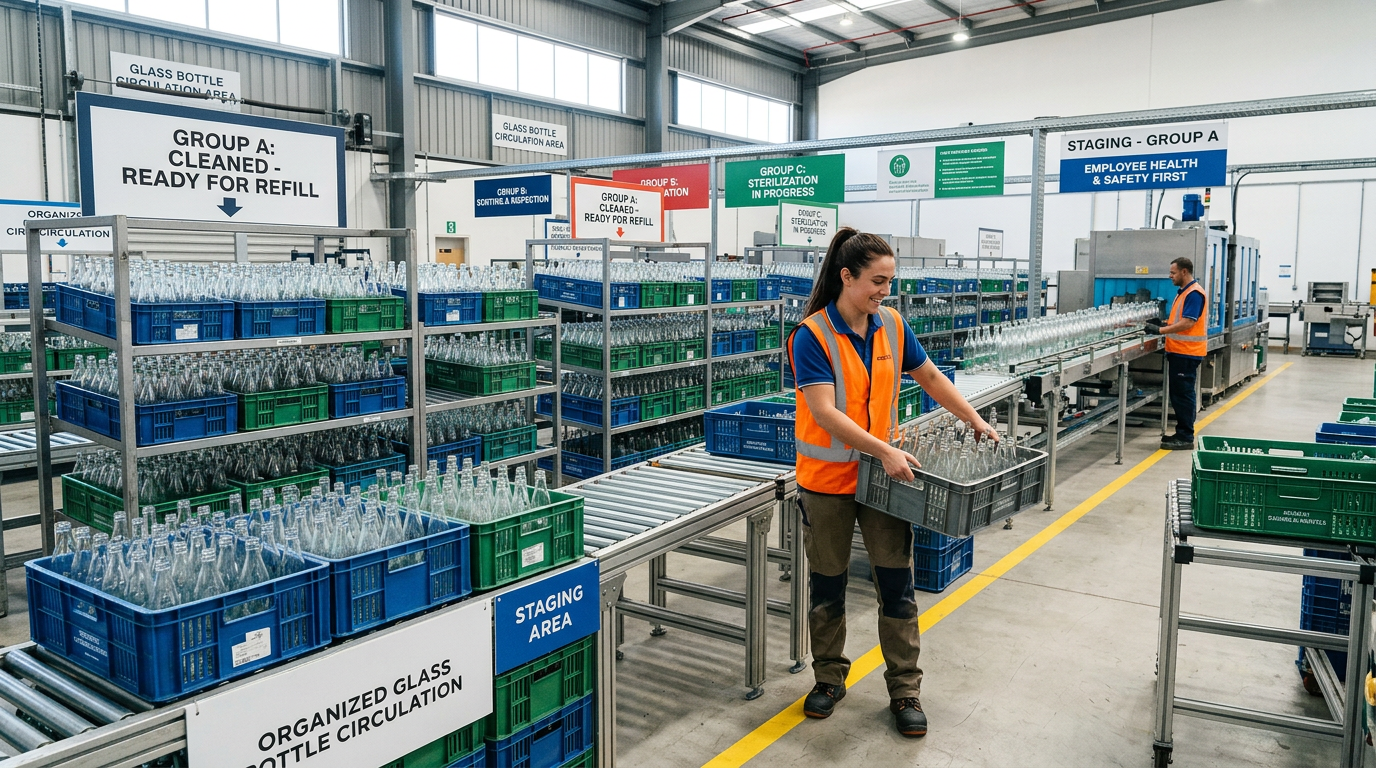
Why a Glass Refill Business Runs on Bottle Circulation, Not Just Bottle Inventory
A glass-bottle refill business relies heavily on an active circulation model, where bottles continuously move through use, return, inspection, cleaning, refill, and redistribution. Effective inventory management focuses on circulation speed rather than merely counting bottles. This seamless routine enhances service reliability and customer satisfaction, transforming hydration into a consistent, manageable process.