
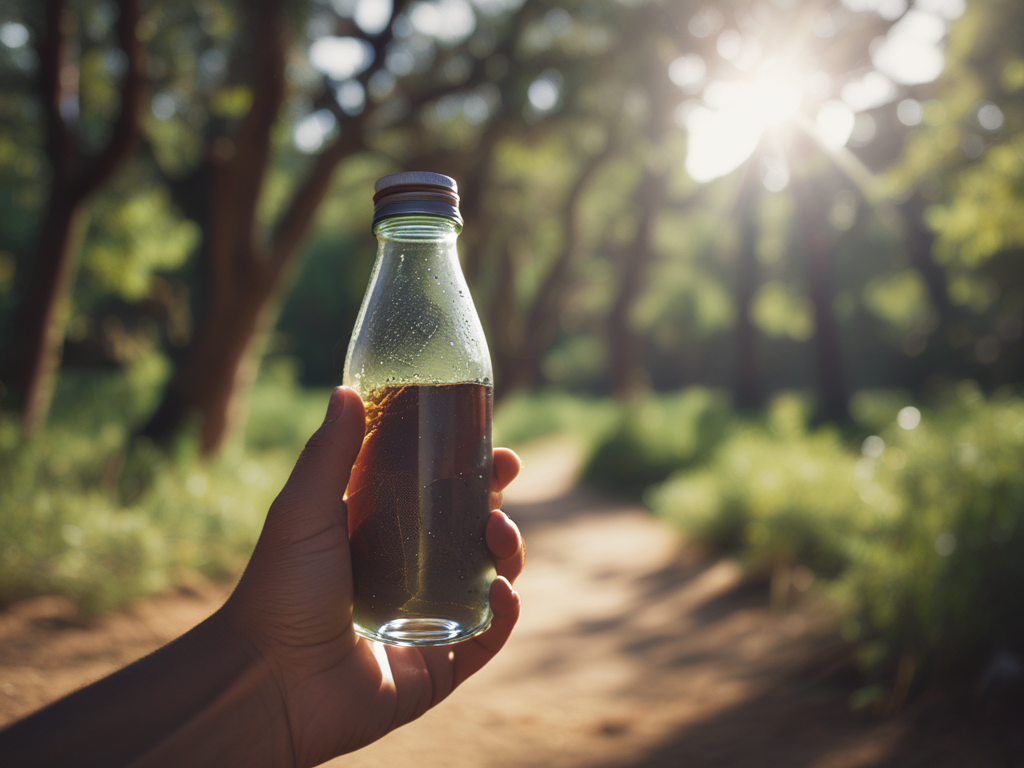
“Stop Drinking Plastic” should be our company motto.
In a world where convenience often trumps sustainability, plastic water bottles have become a go-to for many. They’re easy to carry, readily available, and seemingly harmless. But beneath the surface, plastic water bottles present a host of disadvantages and potential dangers that are worth considering. It’s time to rethink our choices and prioritize our health and the environment.
The Environmental Impact of Plastic Bottles
One of the most significant issues with plastic water bottles is their environmental footprint. According to the EPA, over 60 million plastic bottles are thrown away every day in the United States alone, and only about 9% of plastic waste is recycled. The rest ends up in landfills, oceans, and natural habitats, where they take up to 450 years to decompose. As they break down, plastic bottles release harmful chemicals into the soil and water, disrupting ecosystems and harming wildlife. A study by the World Wildlife Fund found that plastic pollution affects 88% of marine species, causing injuries and fatalities.
Health Risks Linked to Plastic Bottles
Beyond the environmental concerns, plastic water bottles pose serious health risks. Many plastic bottles are made from polyethylene terephthalate (PET), a material that can leach harmful chemicals, such as bisphenol A (BPA) and phthalates, into the water. According to research published in the journal Environmental Health Perspectives, BPA exposure has been linked to various health issues, including hormonal imbalances, reproductive problems, and an increased risk of certain cancers.
A case study conducted by the Harvard School of Public Health revealed that participants who drank from plastic bottles for one week had a 66% increase in BPA levels in their urine. This alarming statistic underscores the potential dangers of regular consumption of water from plastic bottles, especially when exposed to heat, such as being left in a car on a hot day. The rate at which these chemicals leach into the water increases, meaning every sip could be exposing you to dangerous toxins that accumulate in your body over time.
The Myth of Reusing Plastic Bottles
Some people try to mitigate waste by reusing plastic water bottles, but this practice comes with its own set of problems. Repeated use of plastic bottles can cause them to degrade, leading to cracks and wear that make it easier for bacteria to grow. A study by the University of Calgary found that reused plastic bottles contain over 300,000 bacterial cells per square centimeter, far exceeding safe levels. Washing plastic bottles doesn’t eliminate the risk, as the scratches inside the bottle can harbor harmful bacteria, posing a risk to your health.
Alternatives to Plastic Water Bottles
The good news is that there are safer, more sustainable alternatives to plastic water bottles. Glass bottles, for example, offer a clean, chemical-free option that doesn’t leach harmful substances into your water. A study by the University of Copenhagen confirmed that glass bottles are 100% safe for storing beverages and do not interact with the contents, ensuring pure, untainted water.
Stainless steel bottles are another excellent choice, providing durability and insulation to keep your water at the desired temperature. These alternatives not only protect your health but also reduce your environmental footprint. At Distilled Fulfilled, we’re committed to providing pure, distilled water in eco-friendly glass bottles, sealed with natural cork and twine to maintain freshness. By making the switch to glass, you’re not only protecting your health but also contributing to a cleaner, greener planet.
The Impact of Switching to Glass
Don’t just take our word for it—our customers have experienced the benefits of switching to glass bottles firsthand:
“After learning about the dangers of plastic, I switched to Distilled Fulfilled’s glass bottles. Not only does the water taste better, but I also feel peace of mind knowing that I’m not exposing myself to harmful chemicals. The difference in quality is night and day!” – Sarah M.
“I used to buy plastic water bottles all the time, but I hated how much waste I was creating. Switching to glass has made me feel better about my choices, and the convenience of home delivery from Distilled Fulfilled is unbeatable. I’m never going back to plastic!” – James R.
Make the Switch Today
The evidence is clear: plastic water bottles are harmful to both our health and the environment. It’s time to stop drinking plastic and start choosing alternatives that support a healthier lifestyle and a more sustainable world. By opting for glass or stainless steel bottles, you’re making a powerful statement about the kind of future you want to create—for yourself, your family, and the planet.
Join the movement to eliminate plastic waste and protect your health. Click here to switch to Distilled Fulfilled’s premium distilled water in glass bottles today, and take the first step toward a better tomorrow.
Leave a Reply