
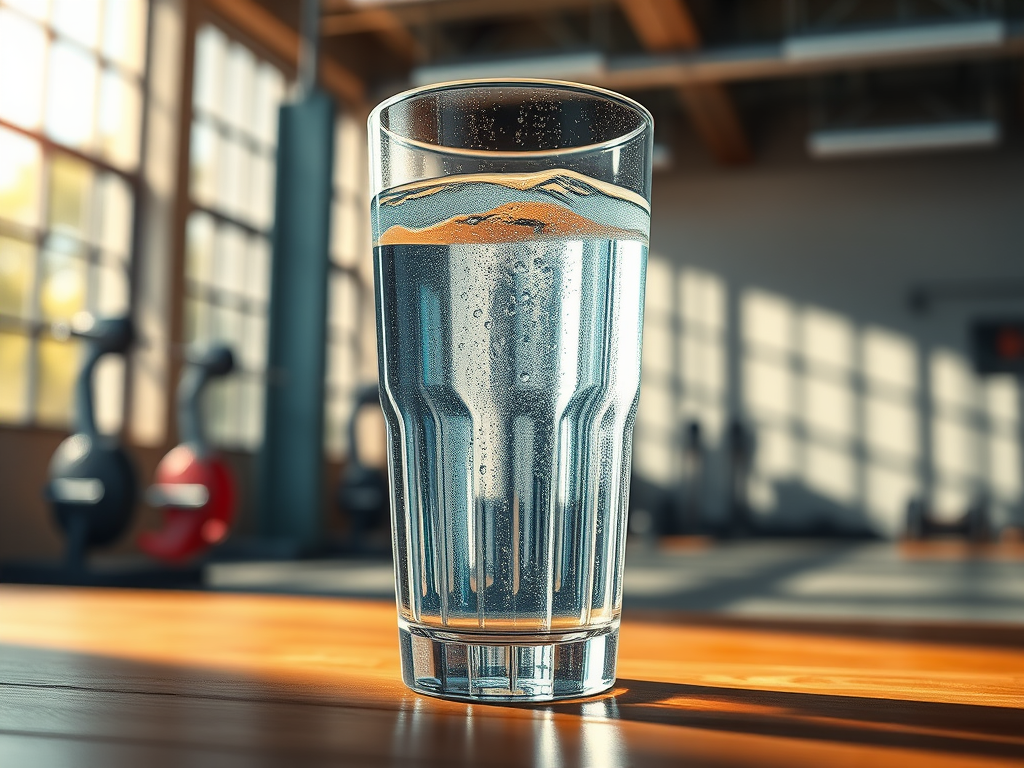
Most training plans get obsessive about programming, supplements, and gadgets. Hydration gets treated like a background setting. That is a mistake. If you want a simple, high ROI upgrade for performance and recovery, start with consistent hydration habits that actually match your training load.
This is not about chugging water randomly. It is about showing up to sessions already hydrated, replacing what you lose, and supporting recovery so your body can do the rebuilding work you trained for.
Why hydration changes performance faster than most “optimizations”
Even mild dehydration can make workouts feel harder than they should. You can see it in:
- Lower endurance and faster fatigue during cardio and high volume lifting
- Weaker strength output when you are under-hydrated and under-fueled
- More headaches and brain fog that make training feel like a grind
- Slower recovery when sleep and hydration are both inconsistent
Hydration is one of the few things that can improve how you feel in a session within 24 hours, without changing your entire routine.
The “baseline first” approach
Before you buy anything or overhaul your diet, lock in a baseline:
- Start hydrated: drink a glass of water within an hour of waking.
- Stop relying on thirst: thirst is a lagging indicator, especially during intense sessions.
- Build repeatable anchors: one glass before coffee, one mid-morning, one pre-workout, one with meals.
If your hydration is only “good” on training days, you are always playing catch-up.
How much water do you actually need?
There is no single perfect number because sweat loss, climate, and training intensity change day to day. Use practical signals instead of guessing.
Quick self-checks that work
- Urine color: pale yellow is a solid day-to-day target. Dark yellow usually means you are behind.
- Morning bodyweight: if you drop noticeably from one morning to the next after a hard session, you likely did not replace fluids.
- Workout feel: cramps, dizziness, and “dead legs” are common signs you are under-hydrated, under-salted, or both.
Pre-workout hydration that does not ruin your session
The goal is to walk into training hydrated, not sloshy.
- 60 to 90 minutes before: drink a moderate amount of water.
- 15 minutes before: a few sips if you feel dry, especially in heat.
If you routinely feel heavy or bloated during training, you may be drinking too much too close to start time. Spread it earlier.
During training: water vs electrolytes
Water is enough for many sessions, especially short strength workouts in mild conditions. But when sweat loss climbs, electrolytes matter.
When water is usually enough
- Strength training under 60 minutes
- Light to moderate cardio
- Cool environments with low sweat loss
When electrolytes become the smarter choice
- Longer sessions (especially endurance work)
- Training in heat or high humidity
- High sweater workouts where your shirt is soaked
- Two-a-days or heavy volume weeks
Important: distilled water is extremely pure and contains no minerals. That is not a problem for everyday hydration when you are eating a normal diet, but if you sweat a lot, you should intentionally replace electrolytes through food and/or an electrolyte mix.
Post-workout recovery: the part most guys skip
Hydration is not just about the workout. Recovery is where the results happen.
- Replace what you lost: if you train hard and sweat a lot, keep sipping for the next couple hours instead of “done and forget.”
- Pair with protein and carbs: hydration works better when you also replenish fuel.
- Salt your meals: especially if you train in heat or do longer sessions.
Caffeine, alcohol, and the “why do I feel awful?” problem
You do not have to quit coffee. You just have to stop using it as a substitute for hydration.
- Coffee: balance it with water. A simple rule is a glass of water before your first coffee.
- Alcohol: it is a recovery tax. If you drink, hydrate before bed and again when you wake.
The simplest upgrade: make hydration easier to stick with
Most men do not fail hydration because they do not “know better.” They fail because the habit is inconvenient. The fix is making clean, good-tasting water the default option you reach for without thinking.
- Keep water visible where you work.
- Use a bottle you actually like drinking from.
- Set a single daily anchor habit, then build around it.
Where distilled water fits in
Distilled water is a clean, consistent option that removes the variables. No weird taste shifts from tap changes. No mystery mineral profile. Just pure water you can rely on, especially if you are picky about flavor or you want a predictable daily baseline.
For intense training and heavy sweating, remember the rule: pure water plus electrolytes when needed. Do not try to “out-drink” a salt deficit.
Quick hydration checklist for training days
- Drink a glass of water within an hour of waking.
- Hydrate earlier in the day so you are not cramming it right before training.
- Use electrolytes for long, hot, or high-sweat sessions.
- Keep sipping post-workout for the next couple hours.
- Do not let coffee or alcohol quietly sabotage recovery.
If you want the easiest version of this habit, make your default water the cleanest, most consistent option. Stock up on Distilled Fulfilled and keep it within reach so hydration stops being a daily decision.
Shop Distilled Fulfilled distilled water
Note: This article is for general wellness and training support, not medical advice. If you have a medical condition that affects fluid balance, electrolyte needs, or kidney health, talk with a qualified clinician.
Leave a Reply