
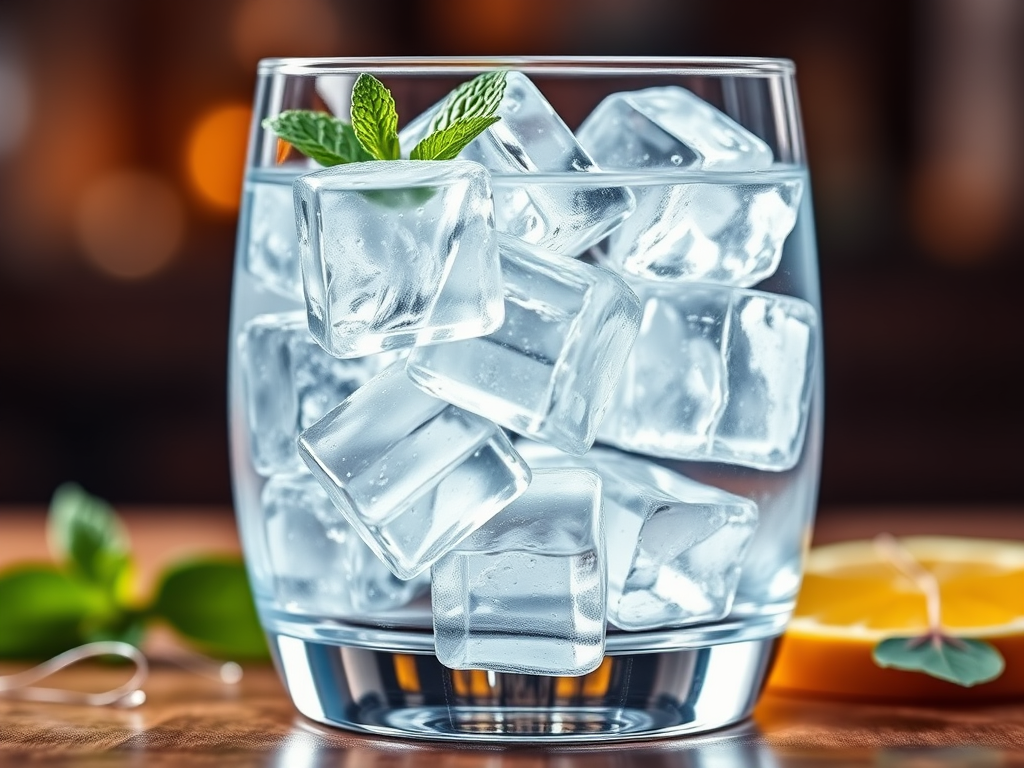
Ice is easy to overlook because it feels like a background detail. It sits in the glass, cools the drink, and quietly melts into it over time. But that last part is exactly why it matters so much. Ice is not separate from your drink. It becomes part of your drink.
That means the quality of your ice affects more than appearance. It affects dilution, flavor, and the overall experience of anything served cold, from sparkling water and iced tea to cocktails, cold brew, and fresh juice. If the water used for ice has off flavors, mineral heaviness, or chemical notes, those qualities do not disappear when it freezes. They wait until the ice starts melting and then move directly into the glass.
For customers who care about cleaner taste and a more refined everyday water routine, Distilled Fulfilled offers premium distilled water in glass bottles, making it easier to create better ice at home without relying on inconsistent tap water or disposable plastic bottles.
Why Ice Quality Matters More Than People Think
Good ice does three jobs at once. It chills a drink, controls dilution, and contributes to the final taste. That is why poor ice can quietly lower the quality of an otherwise well-made beverage. A carefully brewed iced tea, quality whiskey, or fresh lemonade can all lose some of their appeal if the melting ice brings unwanted flavors with it.
Water quality plays a major role here. The Los Angeles Department of Water and Power notes that chlorine can contribute to a bleachy, chemical, or medicinal taste or odor in water, which helps explain why some home ice affects drinks more than people expect. LADWP water quality FAQs That is especially noticeable in simple drinks where there is nowhere for off flavors to hide.
In short, ice is not neutral unless the water going into it is neutral.
What Makes Some Ice Look Cloudy
Cloudy ice is usually the result of trapped air and impurities being pushed toward the center as water freezes. As Purdue University’s Materials Engineering department explains, liquid water can hold more dissolved air than ice can, so that excess air gets forced out during freezing and becomes trapped as bubbles. Purdue University
National Geographic explains the same basic principle in simpler terms: when water freezes quickly, air bubbles cannot escape, which contributes to the cloudy look many people see in standard home ice cubes. National Geographic Education
Minerals and other dissolved material also affect appearance. As the purer parts of the water freeze first, remaining gases and dissolved solids can become concentrated in the center of the cube. That is one reason tap-water ice often looks hazy, especially when frozen in ordinary trays from multiple directions at once.
Can Distilled Water Make Ice Clearer?
Often, yes, but with an important caveat.
Distilled water starts with a major advantage because it contains far fewer dissolved minerals and contaminants than ordinary tap water. That can help reduce the haze and visual cloudiness that come from dissolved material being trapped during freezing. It can also help produce a more neutral-tasting cube, which is especially useful for drinks where subtle flavors matter.
However, perfectly crystal-clear ice is not only about water purity. Freezing direction and speed matter too. If water freezes rapidly from all sides in a typical freezer tray, even very clean water may still trap air and form some cloudiness. That is why true “clear ice” makers and commercial bar ice systems often control the way water freezes, not just the water source itself.
So the honest answer is this: distilled water can absolutely improve the starting point for cleaner, better-looking ice, but clarity is influenced by both the water and the freezing process.
Why Distilled Ice Can Improve Flavor
Flavor is where distilled ice really earns its place.
As ice melts, it dilutes the drink. That dilution is normal and often desirable in small amounts, but it should taste clean. If the melt water carries chlorine notes, mineral heaviness, or stale freezer flavors, it can flatten the drink and muddy the finish.
The Specialty Coffee Association notes that dissolved substances and minerals in water influence the taste of coffee because they affect water’s chemical behavior and flavor contribution. Specialty Coffee Association The same logic applies to ice in iced coffee and other chilled drinks. If the water used for the ice brings unwanted character, that character enters the cup as the ice melts.
This matters in obvious cases like cocktails and cold brew, but it also matters in everyday drinks. Sparkling water tastes crisper with neutral ice. Fresh juice stays brighter. Iced tea tastes more like tea instead of diluted tap water. Even plain water over ice can taste cleaner when the cubes are made from cleaner water.
When Distilled Ice Makes the Biggest Difference
Some drinks reveal bad ice immediately. Others hide it for a little longer. In general, distilled ice makes the biggest difference in drinks with clean, delicate, or premium flavor profiles.
Cocktails and Spirits
Spirit-forward drinks do not leave much room for poor ice to hide. As the ice melts, any chlorine or off taste can interfere with the balance of the pour. Cleaner ice helps preserve the intended profile longer.
Iced Coffee and Cold Brew
Coffee is highly sensitive to water quality. If you are careful about beans, brew method, and ratio, it makes little sense to finish with ice that drags the cup backward.
Iced Tea
Delicate teas can lose clarity fast when the ice contributes extra flavor. Cleaner cubes help the tea remain lighter and more defined as it chills.
Sparkling Water and Simple Refreshers
The simpler the drink, the more noticeable the ice. There is nothing to mask a cube that adds unwanted taste.
Guest Service and Hospitality
For hosts, offices, and hospitality settings, better ice is a small upgrade that people notice without always being able to explain why. Drinks simply taste cleaner and look more polished.
Cleaner Flavor Is Not the Same Thing as “No Flavor”
One misconception about distilled water is that neutral means inferior. In reality, neutral is often exactly what you want from ice. The job of ice is not to compete with the drink. It is to cool it and dilute it as cleanly as possible.
That is especially important when you have already chosen the drink for its flavor. A quality cold brew, a fresh mocktail, or a good sparkling beverage does not need extra mineral character from a melting cube. It needs restraint.
Practical Tips for Better Ice at Home
If you want better-tasting ice, the process does not need to be complicated.
- Start with clean water, ideally distilled water, for a more neutral flavor base.
- Use trays or molds that are clean and free from old freezer odors.
- Keep ice covered when possible so it does not absorb smells from the freezer.
- Use fresh ice regularly instead of letting old cubes sit for too long.
- If clarity matters visually, consider molds or methods designed to encourage directional freezing.
That last point matters because even excellent water can still freeze cloudy in a standard tray. But starting with distilled water improves the flavor side immediately and often improves appearance as well.
A Small Upgrade That Changes the Whole Glass
Ice is one of those details people ignore until they notice the difference. Cleaner cubes can make cold drinks taste brighter, look better, and stay truer to what they were supposed to be from the beginning.
For customers who want an easier way to build that into daily life, Distilled Fulfilled provides premium distilled water in glass bottles, making it easier to prepare cleaner ice, support better beverages, and maintain a more consistent standard at home or at work.
Because when ice melts, it becomes the drink. Better water simply gives it a better place to start.
Leave a Reply