
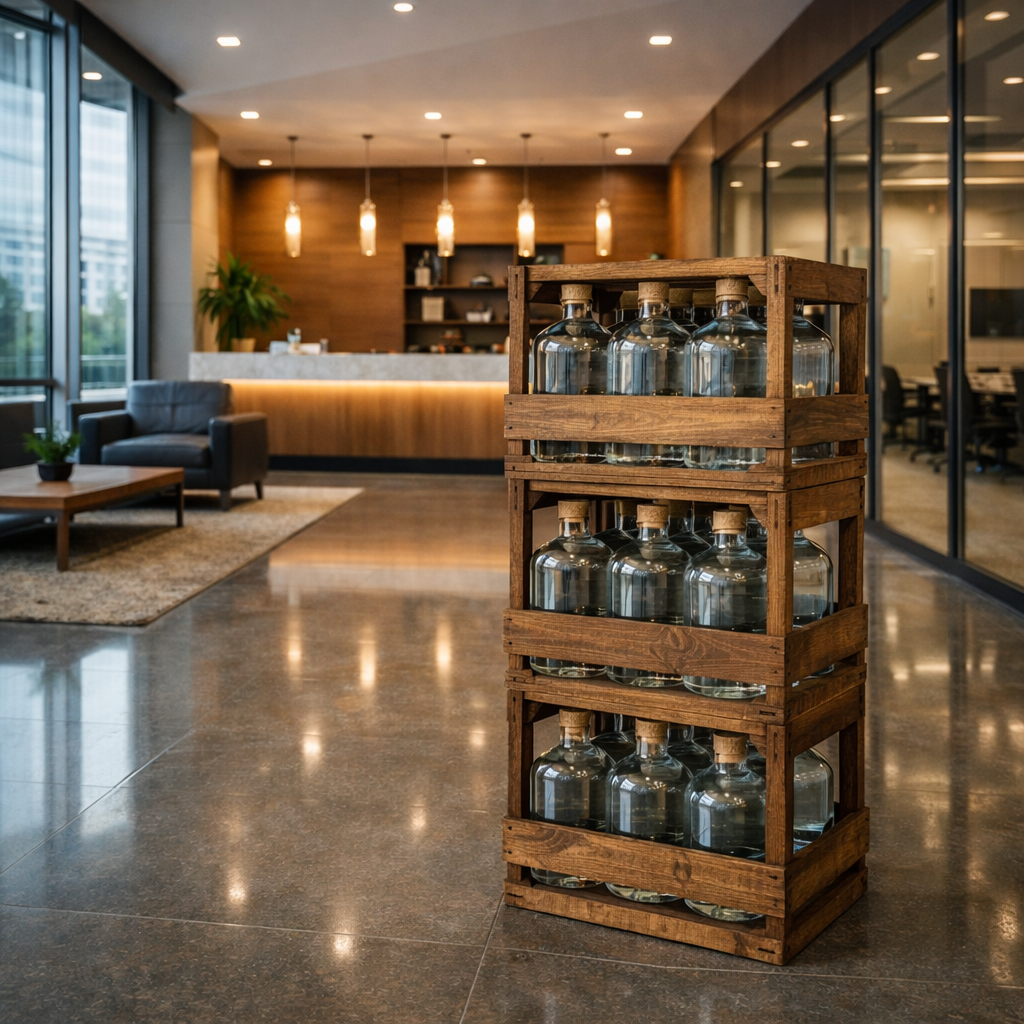
In bottled water, sustainability is not just an operations question. It is a branding question. Customers do not stand in your warehouse and inspect your process. They look at the bottle, the delivery model, the return system, and the story your brand tells. Then they decide whether you feel thoughtful, wasteful, premium, practical, or full of it.
That matters because packaging is one of the first things customers use to judge whether a brand is serious. Research from McKinsey shows U.S. consumers currently view glass packaging as the most sustainable packaging type, while plastic generally ranks far lower. Earlier McKinsey research also found U.S. consumers ranked glass as the safest packaging substrate. In plain English, glass does not just look better. It signals something customers already want to believe about quality, cleanliness, and responsibility. McKinsey McKinsey
Sustainability Branding Starts With the Package People Can See
Most customers are not running life-cycle analyses in their heads. They are using shorthand. Glass feels reusable. Glass feels durable. Glass feels less disposable. Glass feels premium. That perception has real commercial value. Trivium Packaging’s Buying Green research found consumers strongly associate packaging choices with sustainability, and glass is consistently perceived as more premium than many alternatives. Trivium Packaging Trivium Packaging
This is where branding and operations either line up or collide. If your packaging looks sustainable but your model still acts like throwaway convenience, customers eventually notice. If your packaging looks sustainable and your system backs it up, the brand gets stronger every time the customer reorders.
Why Glass Delivery Makes Sense to Customers
Glass delivery works as a brand signal because it communicates permanence in a category dominated by disposability. A glass bottle suggests the product inside is worth protecting. It also suggests the company expects the container to matter after the first use. That is a very different message from single-use packaging built around speed, shrink wrap, and replacement.
There is also a deeper logic behind that customer instinct. The EPA’s waste hierarchy puts source reduction and reuse ahead of recycling. In other words, the best outcome is not merely recycling more packaging after use. It is creating less waste in the first place and keeping useful containers in circulation longer. That is why a delivery system built around durable bottles and repeat use makes intuitive sense to consumers and policy thinkers alike. EPA EPA
Refill Programs Are Where the Story Becomes Real
A refill program is the difference between sustainable branding and sustainable theater. Customers may like the look of glass, but what really strengthens belief is the closed-loop behavior around it. The bottle comes back. The bottle gets cleaned. The bottle goes out again. The brand does not just talk about waste reduction. It builds a routine that makes waste reduction visible.
That matters because refill systems are easier for customers to understand than abstract environmental promises. Returnable packaging, deposit-style logic, and refill scheduling give people a concrete behavior to participate in. OECD work on deposit-refund systems notes that these systems can help enable reuse by giving consumers an incentive to return packaging and support the logistics needed for reusable models. OECD
Customers do not need a lecture to understand that idea. They understand, “I keep the bottle safe, the company picks it up, and it gets used again.” That is a cleaner story, operationally and psychologically.
What Customers Believe, Even When They Cannot Explain It Perfectly
Customers often believe three things at once:
- Glass is more sustainable than plastic.
- Reusable systems are better than throwaway systems.
- Brands that make sustainability visible are more trustworthy than brands that just print eco language on the label.
That belief system shapes buying behavior. McKinsey reported that products making sustainability-related claims outgrew products without those claims over a five-year period in the data it reviewed. Trivium’s research also found sustained consumer attention to sustainable packaging, even during periods of inflation and economic pressure. Customers may complain about price, but a large share still uses packaging and sustainability signals to judge brand quality and intent. McKinsey Trivium Packaging
That does not mean every customer is a die-hard environmentalist. It means sustainable branding has moved from niche preference to mainstream trust marker. Even customers who are not obsessing over climate language still read packaging as a signal of whether your company is careful or careless.
Where Brands Blow It
Brands usually lose credibility in one of three ways. First, they use sustainability language that is vague and ornamental. Second, they choose premium-looking packaging without building a return or refill structure around it. Third, they make the refill process annoying. The more friction you add, the more the customer concludes the sustainability story was mostly for show.
The EPA’s guidance is useful here because it keeps the priority straight: reduce, reuse, then recycle. A brand that centers refill and return is closer to that logic than a brand that simply asks customers to throw something in a blue bin and feel noble about it later. EPA EPA
What Smart Brands Should Actually Do
If you want sustainability to strengthen your brand instead of just decorate it, the play is simple:
- Use packaging that customers already perceive as durable, premium, and reusable.
- Build a refill or return system that is obvious and easy.
- Explain the process in plain English.
- Make the customer part of the loop, not just the end user.
- Let the operational model carry the message instead of drowning the label in green buzzwords.
That is why glass delivery and refill programs are such a strong combination. The bottle gives the customer a visible symbol. The refill system gives the symbol a working reality. Together, they create one of the few sustainability stories customers can immediately see, understand, and repeat to other people.
The Real Branding Advantage
The best sustainability branding does not feel like branding at all. It feels like common sense backed by a system. A customer sees a glass bottle, understands that it comes back, and believes the company is doing something more thoughtful than the average throwaway beverage business. That belief is commercially valuable because it bundles trust, quality, cleanliness, and responsibility into one visible experience.
In other words, customers do not just buy the water. They buy the logic of how it gets to them.
If you want a distilled water option built around glass bottles and a delivery model customers can actually understand, explore the Distilled Fulfilled shop here: https://distilledfulfilled.com/shop/.
Leave a Reply