
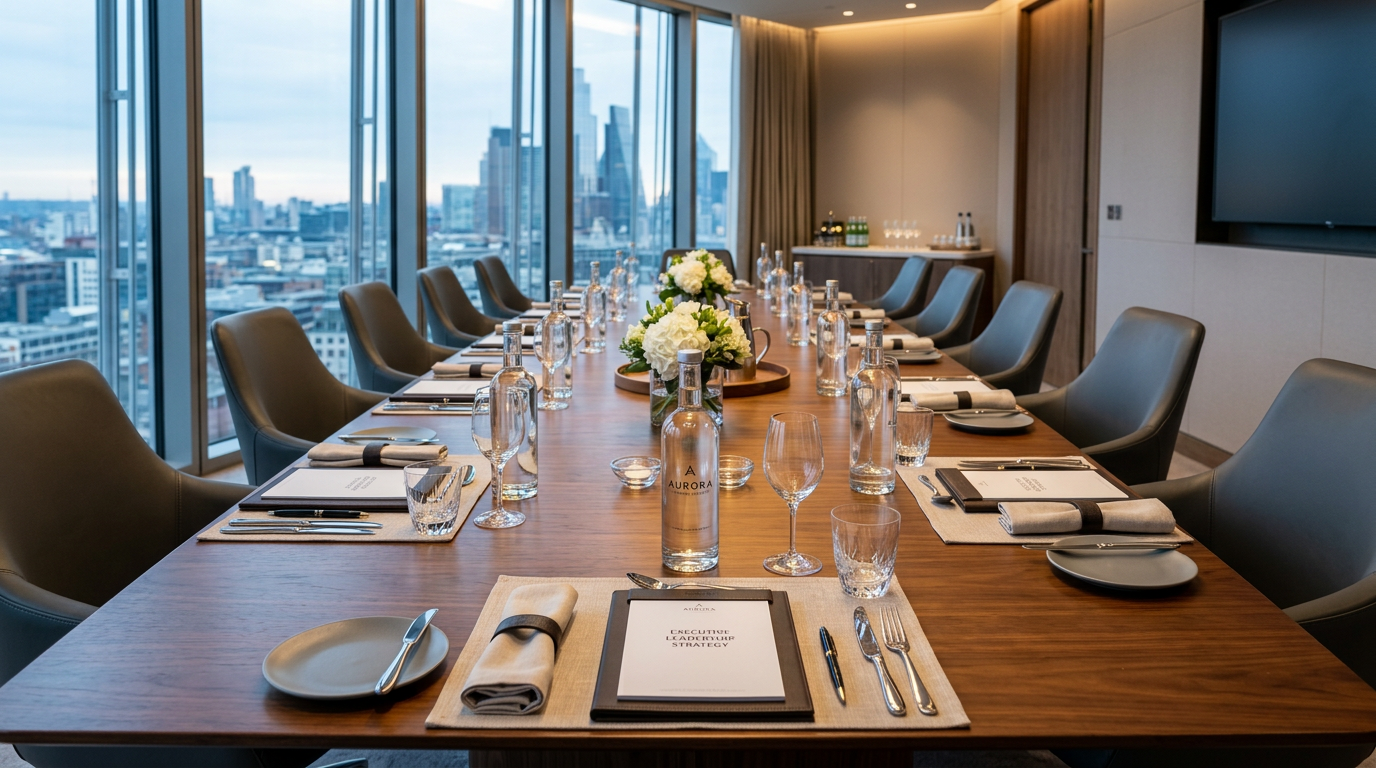
A well-run meeting room does not need much fanfare, but it does need a water setup that works. When people settle in with laptops, printed agendas, charging cables, and notebooks, the last thing anyone wants is a bulky beverage arrangement that steals table space or forces constant interruptions. Good conference room water service is quiet, practical hospitality: easy to reach, easy to pour, and easy to clean up when the meeting finally ends.
The best setups usually get two things right. First, they offer water at the temperatures people actually want, which generally means both chilled and room-temperature options. Second, they make access simple without turning the center of the table into a bottleneck of bottles, glasses, and condensation rings. That balance matters more in longer meetings, where comfort and focus tend to drift together.
This is also one of those details that subtly shapes how professional a room feels. Clear glassware, thoughtfully placed bottles, and timely refills tell guests and team members that someone planned ahead. No dramatic flourish required. Just a clean, calm setup that does its job.
For offices that prefer a straightforward, premium approach, distilled water can be a useful fit here. Its low-mineral, neutral character makes it a clean baseline for drinking service, especially when presented in reusable glass bottles or jugs. It is not magic, and it does not need a mystical backstory. It just fits the goal: consistent water service that feels polished rather than cluttered.
What Good Meeting-Room Water Service Actually Looks Like
The simplest standard is this: everyone in the room should be able to get water without asking for help, standing up unnecessarily, or reaching across someone else’s laptop. If a meeting runs past the one-hour mark, the setup should still hold together without becoming messy or inconvenient.
That means thinking beyond “put water on the table.” A better setup considers temperature choice, bottle placement, glass size, refill timing, and the visual effect of the service itself. Water should support the meeting, not become part of the meeting’s chaos.
In practice, that usually means avoiding a single crowded cluster in the middle of the table. It also means not lining the entire surface with so many items that nobody has room for a notebook. Conference tables are work surfaces first. Water service should respect that.
Offer Both Chilled and Room-Temperature Options
One of the easiest ways to improve hospitality is to stop assuming everybody wants ice-cold water. Some people do. Others prefer room temperature because it is easier to sip steadily during long discussions or presentations. If the meeting includes a mix of guests, senior leadership, clients, or presenters, having both options ready is a small touch that prevents repeated requests.
A good rule is to designate one bottle style or placement for chilled water and another for room-temperature water. The distinction should be obvious at a glance. If the bottles are identical, use discreet, professional labeling or place them in separate zones on a sideboard or credenza. Do not make people play a guessing game with condensation.
Chilled water is especially appreciated in warmer rooms, after a walking tour, or during afternoon sessions when attention dips. Room-temperature water tends to work well for speaker-heavy meetings, strategy sessions, and all-hands gatherings where people may be talking for extended stretches. Offering both does not complicate service much, but it improves comfort noticeably.
Choose Glass Bottle Placement Carefully
Glass bottles look clean and substantial, but they need smart placement. The goal is access without crowding. In a small meeting, one or two bottles on a side console may be better than four bottles competing with devices in the middle of the table. In a larger boardroom, evenly spaced bottle-and-glass stations can work well, provided they do not block sightlines.
Keep the centerline of the table as open as possible, especially if the room relies on eye contact, presentation materials, or speakerphone equipment. Tall bottles placed directly in the visual path between attendees can make a room feel oddly fragmented. A better approach is to position bottles slightly off-center, toward the ends, or along the perimeter where people can reach them without creating a miniature skyline.
Distance matters too. If attendees have to lean too far, they will either skip the water or risk bumping computers and papers. If bottles are too close, they become elbow hazards. In many rooms, the sweet spot is shared access from the side, with enough room left for active work.
If your office uses reusable glass bottles regularly, this is a natural place to shop Distilled Fulfilled’s distilled water in reusable glass bottles and build a meeting-room routine that feels more intentional than a last-minute case of disposables.
Use Clear Glassware That Is Easy to Handle
Glassware should be simple, stable, and transparent in every sense of the word. Clear glasses let people instantly see whether they need a refill. They also help the table look cleaner because nothing is visually busy. There is a reason restaurants and hospitality teams return to this format again and again: it works.
Choose glasses that are comfortable to lift and not so wide that they dominate the place setting. In a conference room, oversized goblets tend to look theatrical and take up precious real estate. Very small glasses, on the other hand, create too many refills. A medium tumbler usually lands in the right zone.
Try to give each attendee one dedicated glass rather than rotating through extras on the table. This keeps the setup tidy and reduces confusion. If the meeting is especially long, have clean backup glassware nearby rather than crowding every place with duplicates from the start.
And yes, coasters or a stable tray can help if chilled bottles are in play. Condensation belongs in the planning stage, not across the quarterly forecast.
Refill Timing Matters More Than People Think
Refilling too often can be intrusive. Refilling too late makes the room feel neglected. The trick is to build water service around natural breaks rather than random hovering. Before the meeting starts, make sure bottles are full and glasses are set. During the meeting, look for transitions: after introductions, after a major presentation segment, during a break, or while materials are being swapped out.
For internal meetings, a designated office manager, coordinator, or host can quietly monitor levels and top up during pauses. For client-facing meetings, it helps to assign ownership in advance so nobody is improvising hospitality while also trying to lead the agenda.
Do not wait until every bottle is empty. If a meeting is running long, replace or refill when the room reaches roughly the halfway point of available water. That prevents the awkward moment when someone tips a bottle, gets three lonely drops, and starts wondering whether this meeting also plans to consume lunch.
If your office wants a cleaner, more consistent refill setup for recurring meetings, it may be time to shop Distilled Fulfilled’s distilled water in reusable glass bottles and standardize around a format that is easy to present, refill, and reset.
Protect Table Sightlines and Work Space
Conference tables have to support conversation and work at the same time. Water service should never force a choice between seeing the speaker and keeping a legal pad dry. That is why sightlines deserve their own planning category.
Lower-profile arrangements generally work best. Keep bottles off the direct axis between people seated across from one another. If the room is narrow, use side placement rather than center placement. If the room is wide and formal, use fewer, strategically spaced bottle groups instead of one large cluster. This preserves eye contact and gives the room a calmer visual rhythm.
Also consider what else lives on the table. Speakerphones, HDMI adapters, name placards, notepads, and snacks can quickly turn a generous surface into a crowded one. Water should fit around the real purpose of the room. If your meeting routinely involves spread-out documents, move spare bottles to a nearby credenza and keep only the active serving pieces on the table.
For some settings, glass may be impractical or prohibited due to venue policies or safety rules. In those cases, follow the site’s guidance and choose the most professional alternative allowed. The point is thoughtful service, not stubborn devotion to a material in the wrong environment.
Keep Water Accessible Without Taking Over the Room
Accessibility in a meeting room is partly about reach and partly about flow. People should not have to interrupt a presenter, crawl around a charging cable, or ask permission to get a glass of water. At the same time, the service should not dominate every available flat surface.
A reliable approach is to use a hybrid setup. Place one or two serving stations on the conference table for immediate access, then keep backup bottles and extra glassware on a nearby credenza, console, or side table. That gives the room a polished look while preserving space where people actually work. It also makes replenishment faster because staff or the host can restock from the side rather than weaving through seated attendees.
For especially long meetings, trainings, interviews, or board sessions, think in zones. The table supports current use. The sideboard supports backup supply. Cleanup supplies remain out of sight but close enough to use quickly if needed. When those zones are clear, the room feels more organized from the first minute to the last.
Pre-Meeting Checklist
A simple checklist prevents most water-service problems before they happen. Here is a practical version that works for many offices and hospitality settings:
- Confirm the meeting length, attendee count, and room layout.
- Set out both chilled and room-temperature water if possible.
- Check that bottles are full, clean, and presentable.
- Place bottles where they are easy to reach but do not block sightlines.
- Set one clear glass per attendee, with extras nearby if needed.
- Add coasters, trays, or a stable service surface for chilled bottles.
- Make sure backup bottles are staged on a credenza or side table.
- Leave enough open table space for laptops, notebooks, and printed materials.
- Plan who will monitor and refill water during the meeting.
- Keep a towel or cleanup cloth nearby, just in case.
Post-Meeting Checklist
Resetting the room promptly is just as important as setting it up well. A good post-meeting routine keeps reusable service practical and keeps the next meeting from inheriting the last one’s leftovers.
- Remove used glasses and any partially consumed bottles from the table.
- Wipe down condensation, drips, and rings from all surfaces.
- Return unopened or unused bottles to the appropriate storage area.
- Separate empty bottles and used glassware for washing or refill handling.
- Check for papers or devices hidden behind service items.
- Restock backup bottles so the room is ready for the next meeting.
- Replace any chipped or unsuitable glassware before the next setup.
- Review whether bottle placement or quantity should be adjusted next time.
Why Reusable Glass Fits This Routine So Well
Reusable glass bottles and jugs suit conference room service because they make the whole setup feel more deliberate. They are stable, attractive, and easy to integrate into a hospitality routine that values consistency. They also avoid the visual clutter that often comes with a patchwork of single-use bottles in different sizes, labels, and half-finished states.
For a brand like Distilled Fulfilled, the appeal is straightforward: premium distilled water delivered in reusable glass supports a clean, practical office ritual. The distilled-water piece matters here as a neutral, low-mineral baseline, not as a miracle substance. The glass piece matters because it elevates presentation without requiring anything fussy. Together, they create a setup that feels considered and calm.
This approach can scale up or down. A small office might keep a few glass bottles on hand for client meetings. A larger workplace might build a standardized service routine across multiple conference rooms. The specifics can vary, and offices should adapt to their own layouts, policies, and workflow. The underlying principle stays the same: make water easy, visible, and unobtrusive.
Final Sip
Better conference room water service is mostly about thoughtful details: offer chilled and room-temperature options, use clear glassware, keep bottles accessible without crowding the table, and time refills around the natural rhythm of the meeting. When those basics are handled well, the room feels more professional and people can stay focused on the work in front of them.
If you want a cleaner, more consistent routine for long meetings, make Distilled Fulfilled’s reusable glass bottles or glass jugs part of the setup. A simple system built around premium distilled water and reusable glass can help your meeting rooms feel polished without becoming precious. When you are ready, shop Distilled Fulfilled’s distilled water in reusable glass bottles and turn water service into one less thing to scramble over.
Leave a Reply