
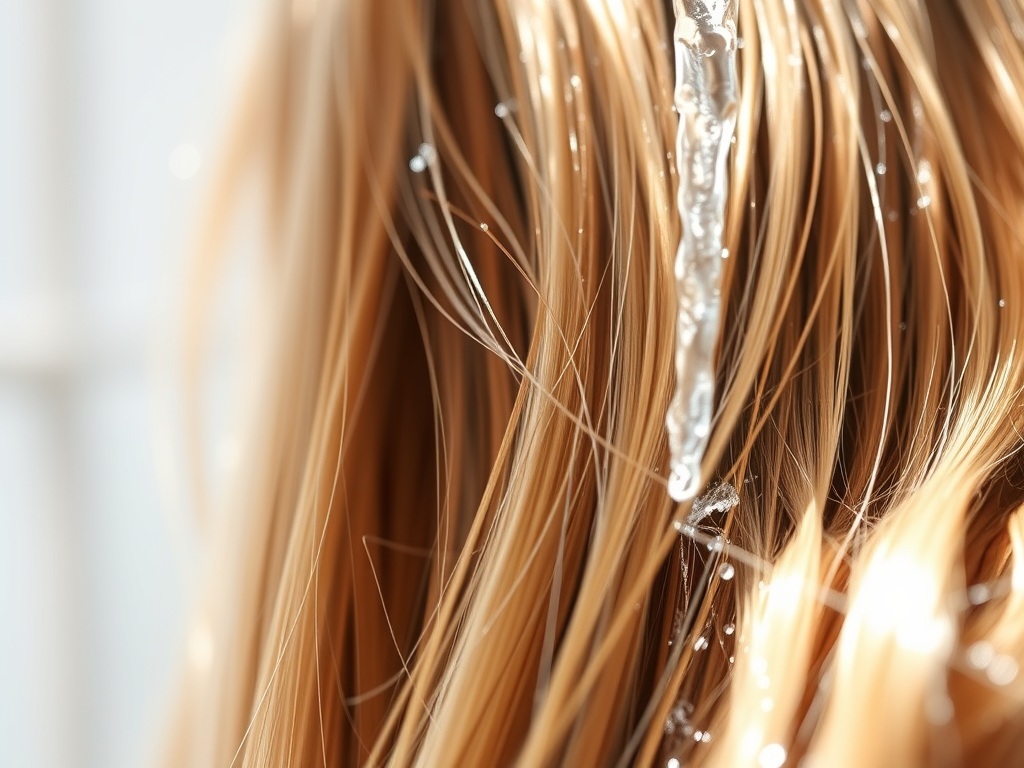
What Is Hard Water, Exactly?
Hard water is water that contains higher levels of dissolved minerals, mainly calcium and magnesium. Those minerals are not “bad” in general, but when they meet soaps, shampoos, conditioners, and styling products, they can create a perfect storm for buildup.
And if you live in an area with hard water, you are not imagining it: the same routine that worked somewhere else can suddenly stop working.
Why Hard Water Causes Hair Buildup
Here is what tends to happen in real life:
1) Minerals cling to hair and scalp
Calcium and magnesium can deposit onto the hair shaft over time. That can leave hair feeling coated, stiff, or heavy, even if it looks “clean” at first glance.
2) Shampoo and soap do not rinse as cleanly
Hard water can reduce how well surfactants perform. Translation: you may use more shampoo, scrub harder, and still feel like you cannot fully rinse it out.
3) Conditioner can start acting “off”
Conditioner is supposed to leave hair soft and slippery. With mineral residue in the mix, some people notice the opposite: hair that feels coated but dry, smooth but lifeless, or soft for an hour and then frizzy again.
4) Styling products stack faster
If your hair already has a mineral film on it, styling products and oils can cling more aggressively, which makes buildup happen faster and makes wash day feel less effective.
Common Signs Hard Water Might Be Messing With Your Hair
- Hair feels dull or loses shine quickly
- Hair feels rough, “gritty,” or stiff when wet
- Hair looks flat at the roots but dry on the ends
- More frizz or tangles than usual
- Color seems to fade faster or looks brassy sooner
- Scalp feels itchy, tight, or flakes appear out of nowhere
- You need more product to get the same result, then it feels heavy
Note: These symptoms can come from other things too (product overload, heat damage, chlorine, seasonal dryness). Hard water is just one of the most common invisible contributors.
So Where Does Distilled Water Fit In?
Distilled water is purified through evaporation and condensation, which removes dissolved minerals. That matters because:
- No calcium and magnesium means no new mineral deposits added during a rinse.
- It can help you get a cleaner rinse after shampoo and conditioner.
- It can support “reset” routines when hair feels coated, heavy, or dull.
Think of a distilled rinse as a simple way to change the water touching your hair, even if you cannot change your whole home’s plumbing or install a filtration system right now.
How a Distilled Rinse Helps With Buildup
A distilled rinse is not magic, but it can be surprisingly effective because it removes a major variable: mineral-heavy rinse water.
It helps products rinse more cleanly
When you finish with mineral-free water, you may notice less “leftover” feel and less need to over-wash or over-scrub.
It helps reduce that coated, heavy feeling
Many people describe hard-water buildup as a film. Distilled water does not contribute to that film, and it can help your hair feel lighter over time by reducing ongoing deposits.
It supports shine and softness
When hair is not fighting mineral residue, it often reflects light better and feels smoother to the touch.
How To Do a Distilled Water Rinse (Simple and Practical)
Option A: The “Final Rinse” Method (Most Common)
- Wash and condition your hair as usual.
- After you rinse out conditioner, do one last rinse using distilled water.
- Pour slowly through hair, focusing on the lengths and then the scalp.
- Gently squeeze out excess water. Do not aggressively rub with a towel.
How much distilled water? Start with 2 to 4 cups for short hair, 4 to 8 cups for medium to long hair. Adjust based on density and thickness.
Option B: The “Distilled Spray Reset” Between Washes
If your hair gets frizzy or crunchy from hard water, you can try misting distilled water lightly on mid-lengths and ends, then smoothing with your hands. This is especially helpful for curly hair refresh days.
Option C: The “Scalp Focus” Rinse
If your scalp gets irritated or flaky, you can focus the distilled rinse at the scalp line and crown where residue often collects, then let it run through the lengths.
Tip: If you are doing other clarifying routines, a distilled final rinse is an easy way to make those routines work better, because you are not re-coating hair right at the end.
How Often Should You Use a Distilled Rinse?
- 1 to 2 times per week is a great starting point for most people in hard water areas.
- If you wash daily, try a distilled final rinse every other wash.
- If you wash once weekly, use distilled as your final rinse every wash for a month and see how your hair responds.
Your hair will usually tell you what it likes. If it starts feeling lighter, shinier, and easier to detangle, you are on the right track.
What a Distilled Rinse Will Not Do
Let’s keep expectations realistic:
- It will not “repair” damage from heat or bleach by itself.
- It will not replace a clarifying wash if you have extreme product buildup.
- It will not remove every mineral deposit overnight.
What it can do is stop adding mineral load during your rinse and make your wash routine feel more consistent and effective.
Distilled Rinses vs. Other Solutions
Shower filters
Some shower filters may reduce chlorine and certain contaminants, but many do not truly “soften” hard water minerals unless paired with a softening system. A distilled rinse bypasses that entire issue for the final step.
Water softeners
Whole-home water softeners can be highly effective, but they are not always practical for renters or anyone who wants a simple starting point. Distilled rinses are a low-commitment alternative.
Clarifying shampoos
Clarifying shampoos can remove buildup, but they can also be drying if overused. A distilled final rinse can help you clarify less aggressively by reducing the cause of repeated residue.
Quick FAQ
Will distilled water help with frizz?
It can, especially if your frizz is triggered by residue and roughness from mineral buildup. Less buildup often means smoother cuticles and better definition.
Is distilled water safe for color-treated hair?
Yes. In fact, many people with color-treated hair like mineral-free rinses because hard water can make hair look dull or brassy over time.
Can I use distilled water for my whole wash?
You can, but most people get the best value from using it as the final rinse. That is the moment when you do not want to reintroduce minerals right after cleaning.
Does temperature matter?
Room temperature is fine. If you prefer warm water, you can warm distilled water slightly, but avoid overheating.
The Bottom Line
If hard water is making your hair feel dull, coated, or hard to manage, a distilled final rinse is one of the simplest ways to test the difference without changing your whole setup.
Cleaner rinse. Less mineral load. More consistent hair days.
Try It With Distilled Fulfilled
Distilled Fulfilled delivers premium distilled water in glass, so you can keep a clean rinse routine on hand without constantly running to the store.
Leave a Reply