
Tag: pure water
-
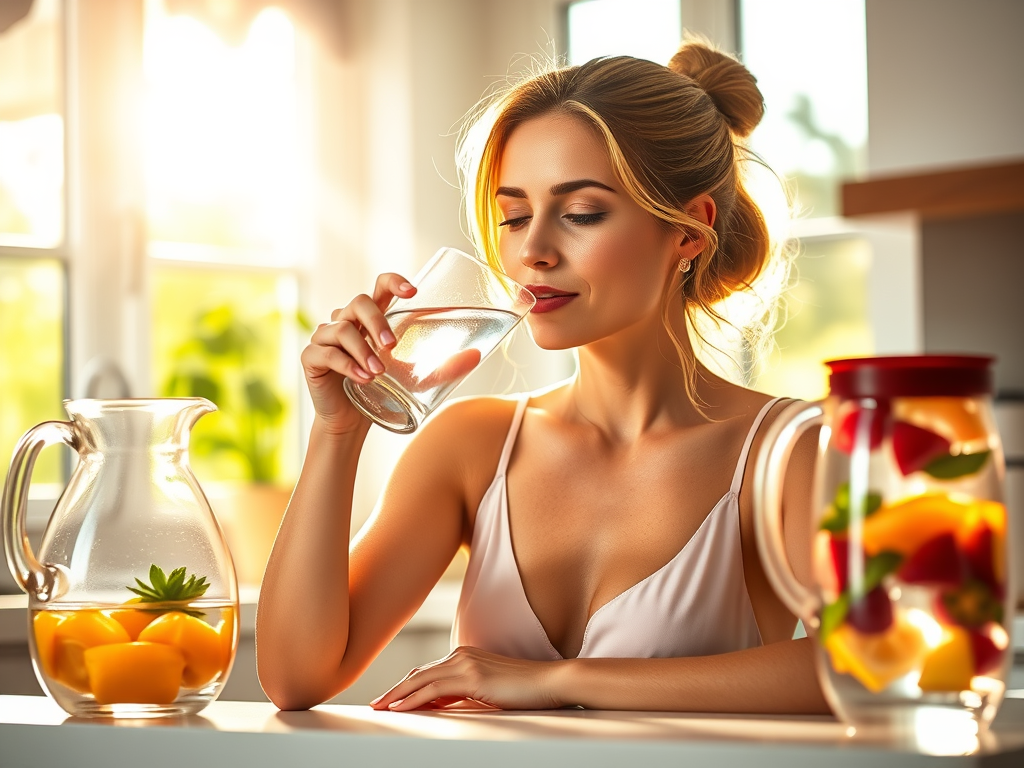
Hydration and Energy: The Underrated Link Most Women’s Routines Ignore
If your energy feels inconsistent, it is tempting to blame sleep, stress, hormones, caffeine, or willpower. Those matter. But there is a quieter variable that can make every other “fix” feel harder: hydration. Not the cute “carry a water bottle” kind, but the boring, baseline, daily consistency that keeps your body’s systems running without friction.…
-
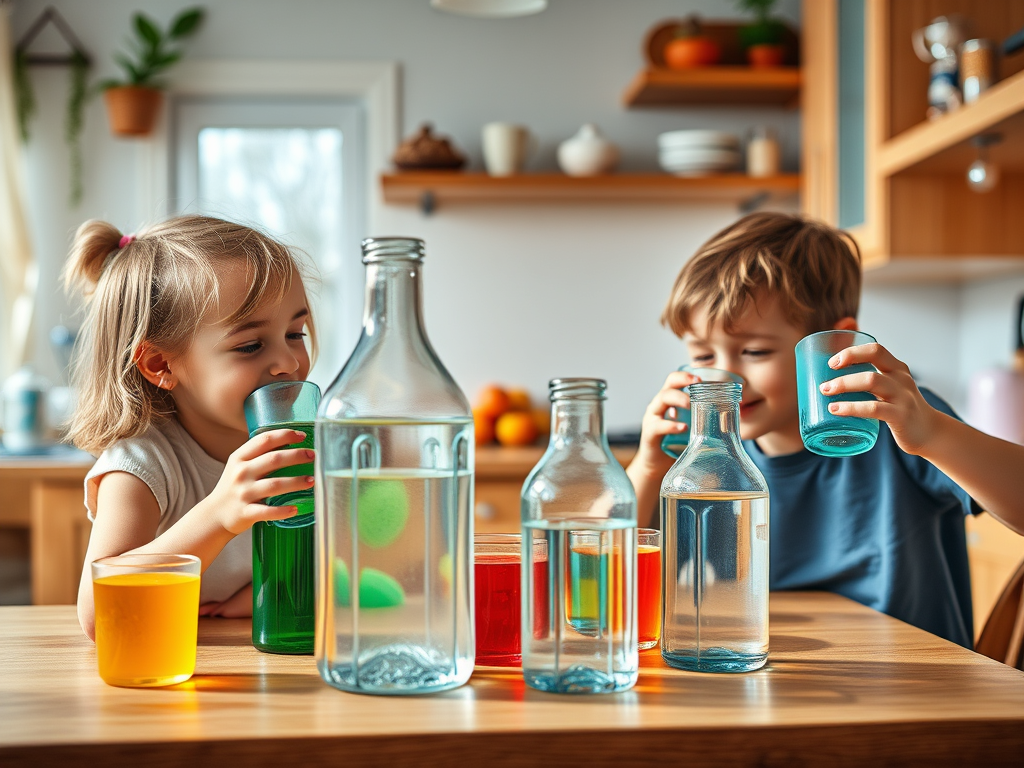
Hydration for Kids Without the Drama: Simple Habits That Actually Stick
Encouraging kids to drink enough water can be simplified by reducing friction and integrating hydration into daily routines. This guide outlines straightforward habits, like placing water in accessible spots and using small goals instead of large ones. Additionally, ensuring water tastes clean and providing appealing options can promote consistent hydration.
-
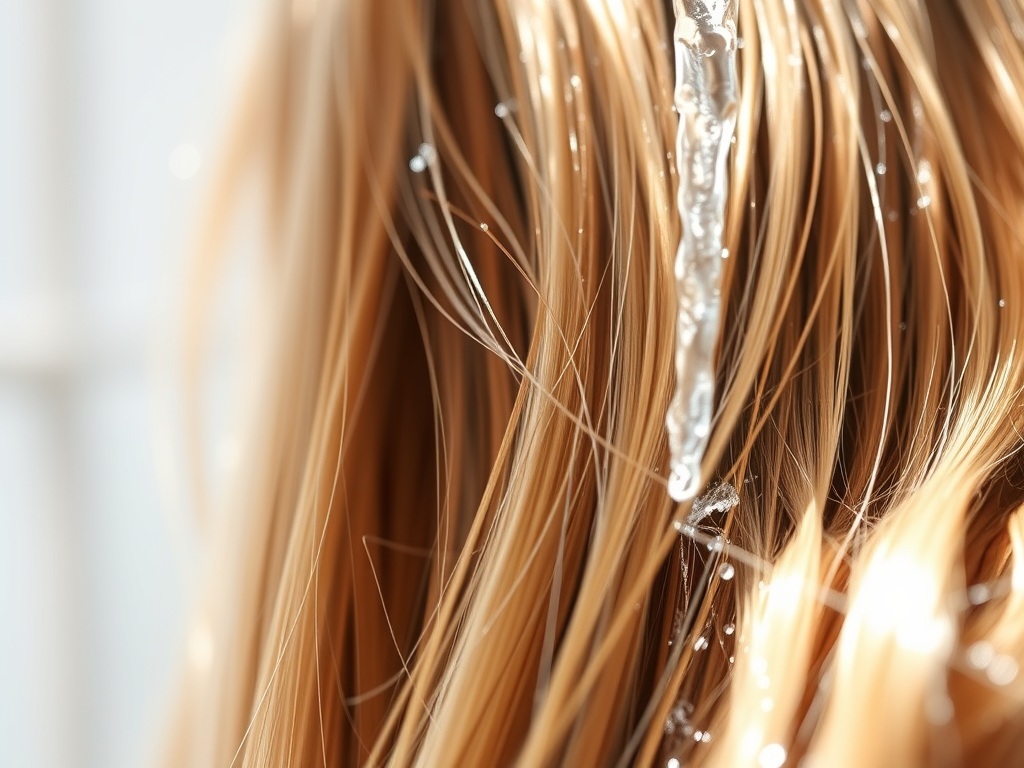
Hard Water vs. Your Hair: Why Buildup Happens and How Distilled Rinses Help
Hard water, containing high levels of calcium and magnesium, can lead to hair buildup, making it feel dull, rough, or heavy. A distilled water rinse can help by removing mineral deposits, allowing hair products to work better and providing a cleaner rinse. It’s a simple solution for improving hair health in hard water areas.
-
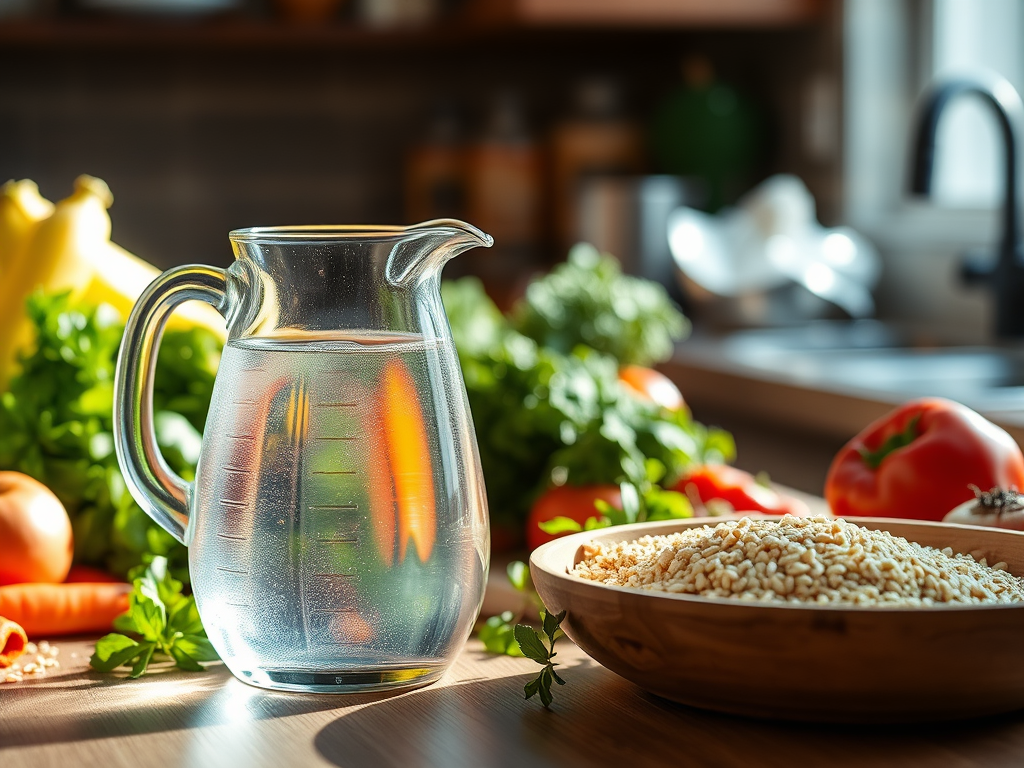
Distilled Water and Cooking: Unlocking Cleaner Flavors in Food
Pure water lets ingredients taste like themselves. No haze, no off notes. If you care about flavor, you care about water. Minerals, chlorine, and trace contaminants in tap or bottled water can dull aromas, cloud stocks, and leave bitter or metallic aftertastes. Cooking with pure distilled water keeps the focus on your ingredients. It brings…
-
The Mineral Myth: What You Really Need to Know About Minerals in Water
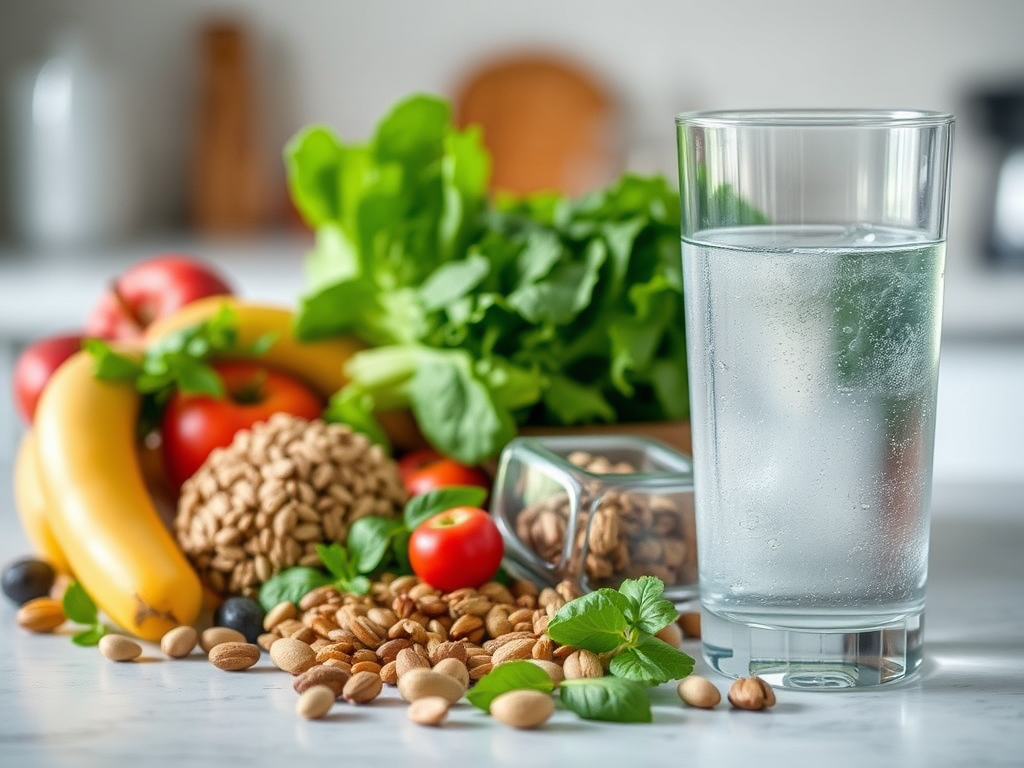
There is a persistent myth that you must get essential minerals from your drinking water or your body will miss out. The truth is that most people get the overwhelming majority of their minerals from food, not water. This matters because it changes how you judge water quality. Instead of chasing trace minerals in your…
-
Distilled Water Detox: Myth or Miracle?
There is no single magic drink that “flushes all toxins.” Distilled water is simply ultra pure water. That purity makes it ideal for a gentle reset routine, daily hydration for sensitive palates, and for protecting appliances and kettles. Pair distilled water with a whole food diet, good sleep, and movement for real wellness results. Choose…
-

The Zero Waste Hydration Challenge: 30 Days with Distilled Fulfilled
Ready to cut plastic from your hydration routine and make a visible dent in your household waste in 30 days? Join our community challenge and switch to zero waste water delivery in glass with Distilled Fulfilled. Follow the daily prompts, post your progress, and invite a friend to do it with you. Target keywords: zero…
-
Is Distilled Water Safe for Babies? The Truth Behind Formula Preparation
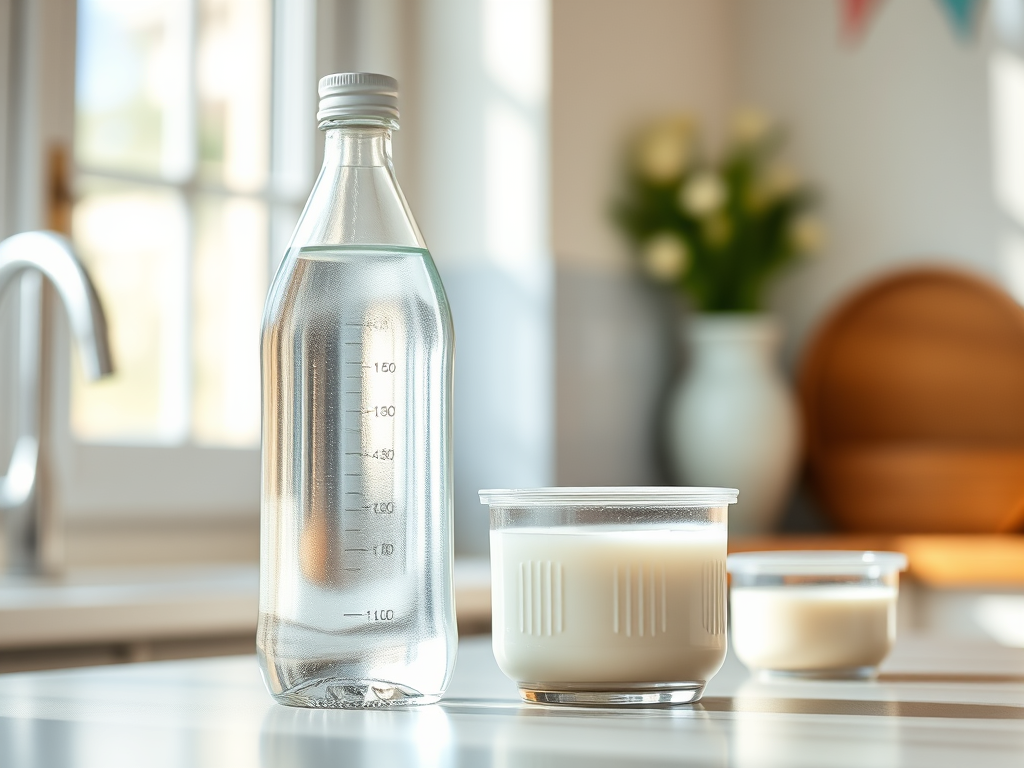
Distilled water is safe for mixing infant formula, reducing contaminants and fluoride risks. It simplifies preparation for parents, particularly for high-risk infants. While infant formulas provide necessary minerals, distilled water ensures safety and consistency. Always consult a pediatrician and follow formula labels for optimal preparation and handling.
-
Distilled Water vs. Purified Water: What’s the Real Difference?
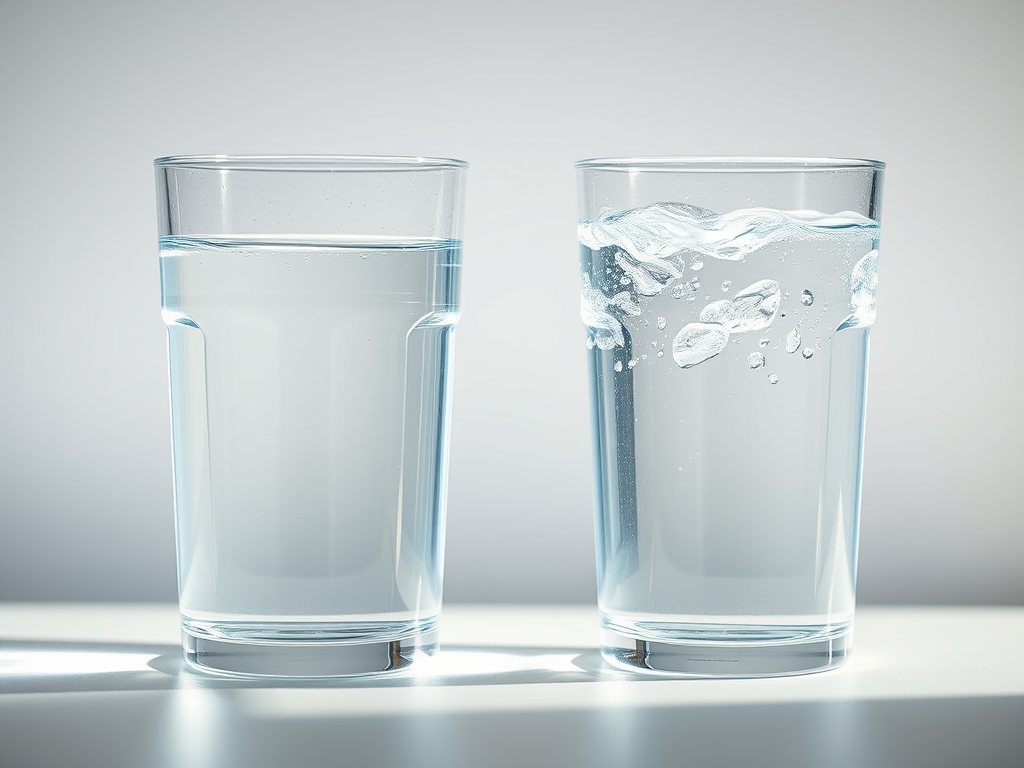
Distilled water is the purest form of hydration, produced through distillation that removes all contaminants, making it ideal for drinking, cooking, and medical use. Purified water undergoes filtration, retaining some minerals and additives. For health benefits and taste, distilled water is preferable, promoting detoxification and better hydration without impurities.
-
Distilled Water Myths Debunked: What You Need to Know
This article debunks myths about drinking distilled water. It clarifies that distilled water doesn’t deplete minerals from the body, isn’t harmful to drink, and offers health benefits. While some find its taste flat, it can be flavored. Although energy-intensive, using distilled water can reduce plastic waste.