
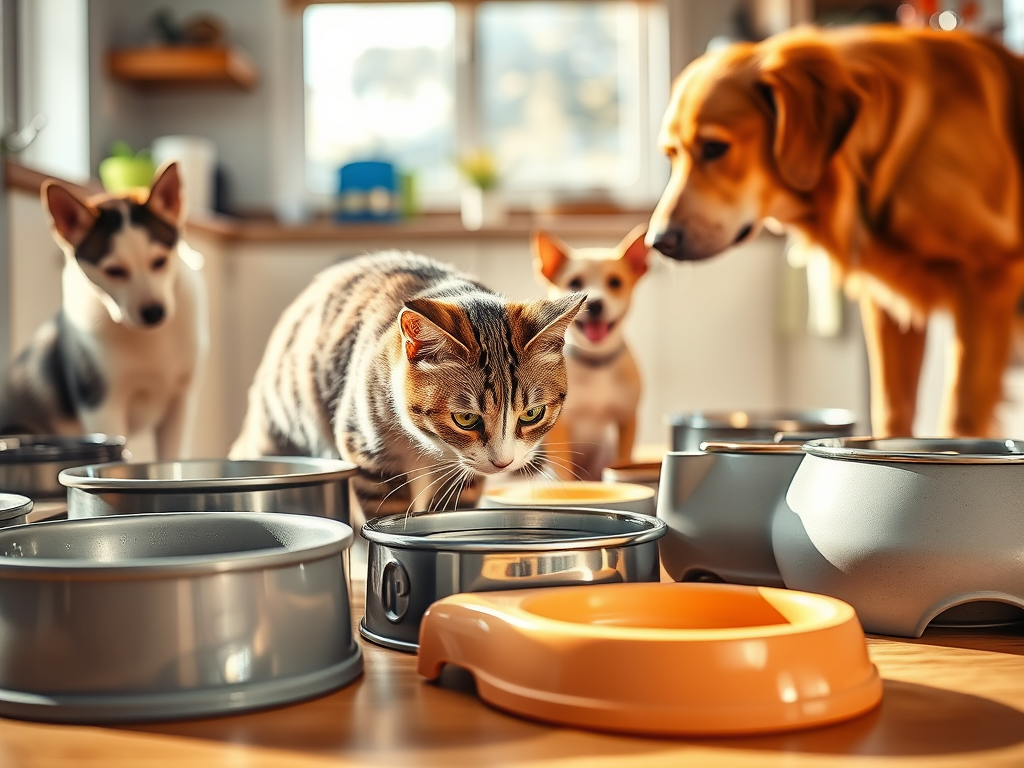
If your pet walks up to the bowl, sniffs it like it is personally offensive, and then walks away, you are not imagining things.
Some pets really do “reject” water. Not because they are dramatic (though some definitely are), but because smell, taste, bowl shape,
and even location can make water feel wrong to them.
First: How Pets Decide Water Is “Good” or “Bad”
Humans mostly care if water is cold. Pets care about a whole list of tiny signals: odor, freshness, residue, and whether the bowl feels safe.
Cats especially are picky because their instincts push them toward moving water and away from anything that seems stale.
Dogs are often less selective, but many will still avoid water that smells like metal, soap, old food, or a “plastic bowl” funk.
If a pet has ever gotten nauseous after drinking from a certain bowl or location, that association can stick.
You might change the water and they still refuse it because the smell and context stayed the same.
Common Reasons Pets Avoid Their Water Bowl
1) The water smells “off” to them
Pets can detect things you cannot. A faint chemical smell, a musty note from a filter that needs changing, or residue from a dishwasher cycle
can make a bowl smell wrong. Even a clean bowl can hold odors if it is scratched or porous.
2) The bowl material is the problem
- Plastic: scratches easily, holds odors, and can develop a lingering taste. Some pets refuse it outright.
- Metal: durable, but can carry a metallic smell or reflect light in a way some pets dislike.
- Ceramic/Glass: typically the most neutral for smell and taste, and easiest to fully clean.
3) The bowl shape irritates them
This matters most for cats. Narrow bowls can cause “whisker fatigue,” where whiskers constantly brush the sides and it becomes annoying.
A wide, shallow bowl can be a surprisingly big upgrade.
4) The water is stale, warm, or sitting too long
Many pets prefer fresh water. If it has been sitting all day, it can collect dust, hair, and food particles.
Some pets respond immediately when the bowl is refilled, even if the old water looked fine to you.
5) The bowl location feels unsafe
Pets can dislike drinking next to their food, near a litter box, by a loud appliance, or in a high traffic hallway.
Cats often prefer a separate water station away from feeding areas.
How Taste Affects Drinking More Than You Think
Taste is not just “taste.” It is smell plus minerals plus whatever is stuck to the bowl.
If your pet seems to drink better at certain houses, on walks, or from the faucet, it is usually about freshness, movement,
or a different taste profile than what they get at home.
That is why some pet owners experiment with cleaner-tasting water and notice their pets drink more consistently.
The goal is simple: remove the little barriers that make drinking feel unpleasant.
Simple Fixes That Usually Work
Upgrade the bowl
- Try a wide, shallow bowl for cats.
- Switch from plastic to ceramic or glass to reduce odor and taste issues.
- Use multiple bowls if you have multiple pets so nobody guards access.
Clean it like it matters
- Wash daily with unscented soap.
- Rinse thoroughly so no soap film remains.
- Replace scratched plastic bowls instead of trying to “clean them better.”
Refresh the water more often
Top it off and replace it at least once a day, more if your home is warm or the bowl collects hair and dust quickly.
Try a second water station
Put one bowl near where your pet relaxes, and one somewhere quiet and low-traffic. Many pets drink more when they have choices.
Consider moving water
For cats especially, a pet fountain can increase interest because it signals freshness.
Keep fountains cleaned regularly so they do not become the new “smells off” problem.
When to Take It Seriously
If your pet suddenly stops drinking, drinks dramatically less than usual, or seems lethargic, do not assume it is just pickiness.
Dehydration can become serious quickly, and changes in drinking habits can also be a sign of health issues.
When in doubt, contact your veterinarian.
A Practical Upgrade That Helps Some Households
If you are troubleshooting bowl smell, taste, and consistency, many owners find it helpful to simplify variables by using
cleaner-tasting water and a truly neutral bowl material.
If you want to explore that approach, you can check out
Distilled Fulfilled’s shop
for options that make it easy to keep water quality consistent at home.
Leave a Reply