
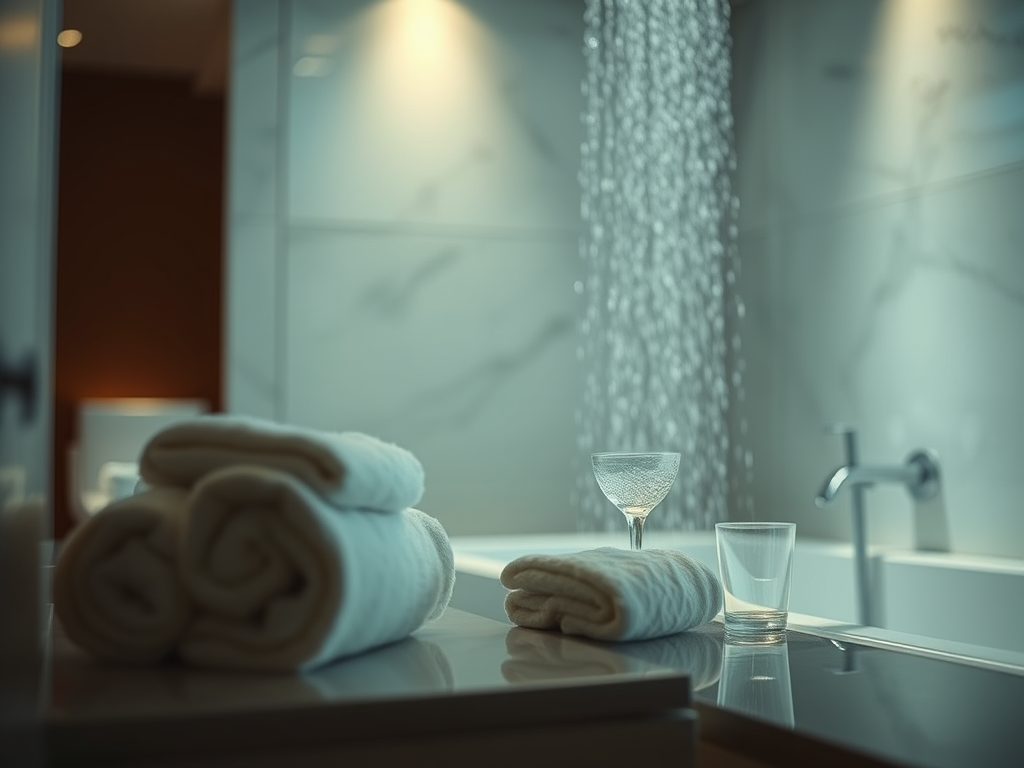
Why hotels and spas obsess over water quality
Walk into a great hotel or spa and you feel it before anyone says a word. The lighting is soft. The towels are heavy.
The air smells expensive. The surfaces shine. And the water, if the place is actually serious, is never an afterthought.
Hospitality brands obsess over water quality because water touches everything that guests associate with comfort:
showers, towels, coffee, tea, room humidifiers, steam rooms, facial treatments, ice machines, and even the way glassware
looks under warm lighting. It is one of the few “invisible” details that can quietly pull a guest into the experience
or quietly ruin it.
Water is the hidden ingredient in “premium”
In hospitality, luxury is usually communicated through signals. Some are obvious: marble, staff-to-guest ratio, quiet hallways.
Others are subtle: how the shower feels on your skin, whether your hair feels squeaky after rinsing, whether your robe stays soft,
whether your morning coffee tastes consistent on day one and day three.
Water is a multiplier. When it is high-quality and consistent, it helps everything else perform like it should.
When it is full of minerals, disinfectant taste, or just wildly inconsistent, it shows up as:
- Spotty glassware and mineral film on fixtures and shower doors
- Scratchy towels that never quite feel “new,” even when they are
- Shower dissatisfaction that guests describe as “dry skin” or “my hair feels weird”
- Off-tasting coffee and tea, especially in-room where equipment is basic
- Extra maintenance from scale buildup in boilers, kettles, steam systems, and ice machines
Guests rarely say, “Your dissolved mineral content is too high.” They just feel the difference and downgrade the experience
in their mind. That is why high-end operators treat water like part of the brand.
Hotels have two water problems at once
The hospitality reality is this: most properties deal with scale and taste/odor.
Scale shows up as mineral buildup that damages equipment and makes everything harder to keep pristine.
Taste and odor show up when water has chlorine notes, metallic flavors, or “pool-ish” vibes that do not belong anywhere near a spa.
Even if a property has filtration, the challenge is consistency. Different parts of a building can have
different outcomes. Different times of day can taste different. Different municipal sources can change seasonally.
And luxury, by definition, is allergic to surprise.
Spas are especially water-sensitive
Spas sell calm. They sell “reset.” They sell the idea that you are being cared for by people who sweat the details.
Water quality impacts that promise in direct ways:
- Steam rooms and humidifiers are magnets for mineral buildup
- Facial treatments and rinses can be affected by water that feels harsh or smells chemical
- Hot towels lose that plush, fresh feel faster when minerals hang around
- Showers after treatments are part of the ritual, and ritual depends on consistency
When a spa experience is flawless, guests call it “peaceful.” When it is not, guests call it “not worth it.”
Water is one of the easiest ways to protect that value perception.
Coffee, tea, and ice are where water gets exposed
You can hide a lot behind design, but you cannot hide it in a cup. Coffee and tea are basically water with a reputation.
If the water tastes off, the drink tastes off. If the water varies, the drinks vary. If the ice carries weird flavor,
the whole cocktail moment collapses.
That is why many hospitality teams treat water as a core ingredient, not a utility.
Especially in properties where guests are paying premium rates and have premium expectations.
The “clean look” is operational, not aesthetic
The most convincing luxury spaces look effortless. But behind that effortlessness is maintenance discipline.
Mineral-heavy water makes that discipline more expensive and more annoying:
more descaling, more replacing fixtures, more cleaning time spent fighting film and spots.
Better water does not just help guests notice “wow.” It helps staff avoid “why is this already dirty again?”
And in hospitality, that matters because labor and consistency are everything.
Quiet luxury is about removing friction
The best luxury experiences remove small frictions before you ever notice them. Water quality is exactly that kind of detail.
When it is handled well, nobody posts about it. They just feel that the place is “worth it.”
When it is handled poorly, the place starts feeling like it is pretending.
If you are building a hospitality experience at home, or you are simply the kind of person who notices the difference between
“fine” and “dialed-in,” water is one of the easiest upgrades that touches your whole routine.
Make water your quiet-luxury upgrade
If you want the kind of clean, consistent water experience that premium spaces aim for, start here:
shop Distilled Fulfilled.
x
Leave a Reply