
Category: Scientific, Medical, and Industrial Uses of Distilled Water
-

Distilled vs. De-ionized vs. RO vs. Ultra-pure Water: Choosing Water by the Application
Choosing the right type of water involves understanding the treatment processes and quality standards associated with terms like distilled, deionized, and ultrapure. Each type serves specific applications, from everyday drinking to laboratory needs, highlighting the importance of selecting water based on intended use rather than generalized labels.
-

Industry Spotlight: Auto, Manufacturing, and Cleaning Applications That Depend on Low-Mineral Water
Low-mineral water is essential in various applications, including automotive, manufacturing, and cleaning, where it prevents issues like residue and mineral buildup. Distilled, deionized, and ultra-pure water reduce impurities that can affect performance and results. Distilled Fulfilled offers premium, glass-bottled distilled water for home and business use, enhancing convenience and quality.
-
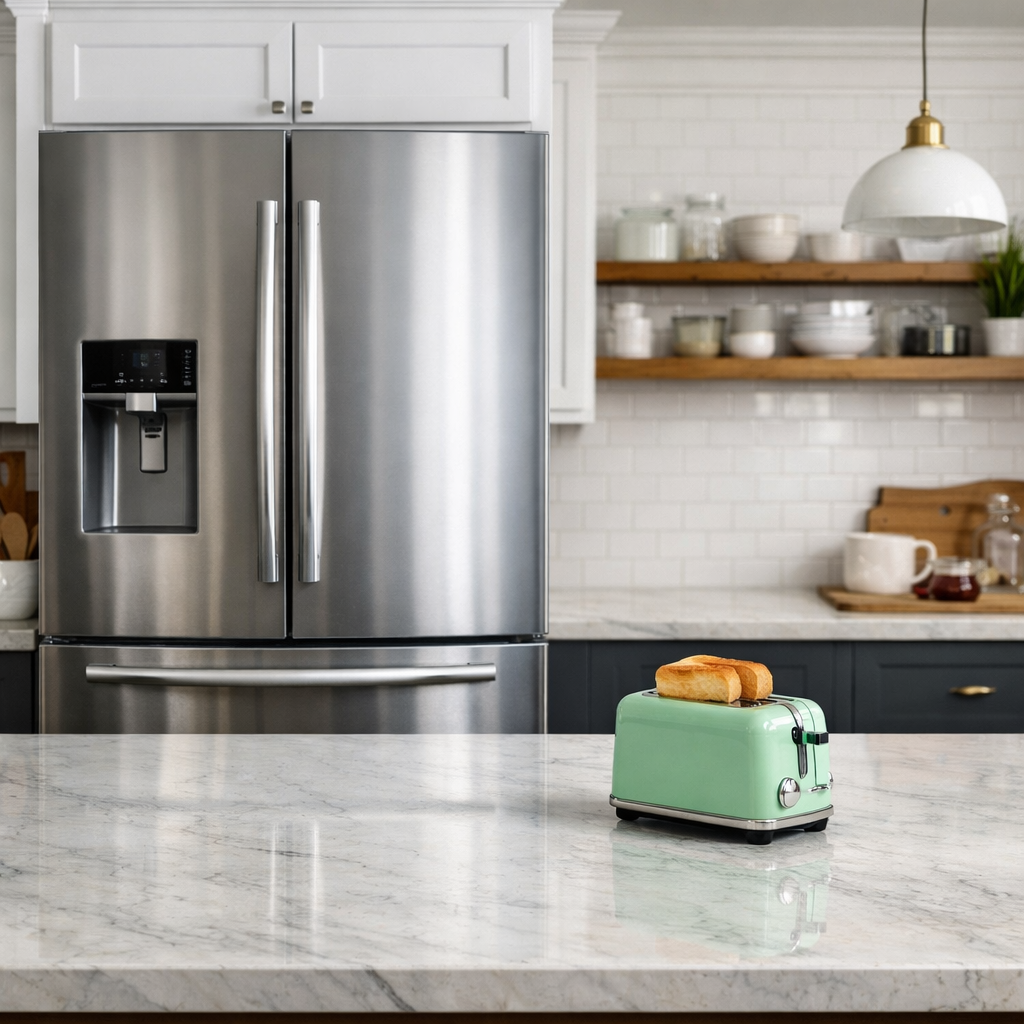
Equipment Longevity: Scaling, Corrosion, and How Water Quality Affects Machines
Water quality significantly impacts machine maintenance and efficiency, influencing equipment lifespan, service frequency, and costs. Hard water leads to scaling and corrosion, which can degrade performance and reliability. Using distilled water often mitigates these issues, making it a wise choice for sensitive machines. Prioritizing water quality is essential for optimal maintenance.
-

CPAP, Humidifiers, and Home Devices: When Distilled Is Recommended and What It Prevents
Distilled water is not necessary for all household tasks but is highly recommended for devices like CPAP and room humidifiers to reduce mineral buildup and residue that affect performance. It helps minimize maintenance and ensures cleaner operation by preventing scale and cloudy deposits. Regular cleaning is still essential.
-
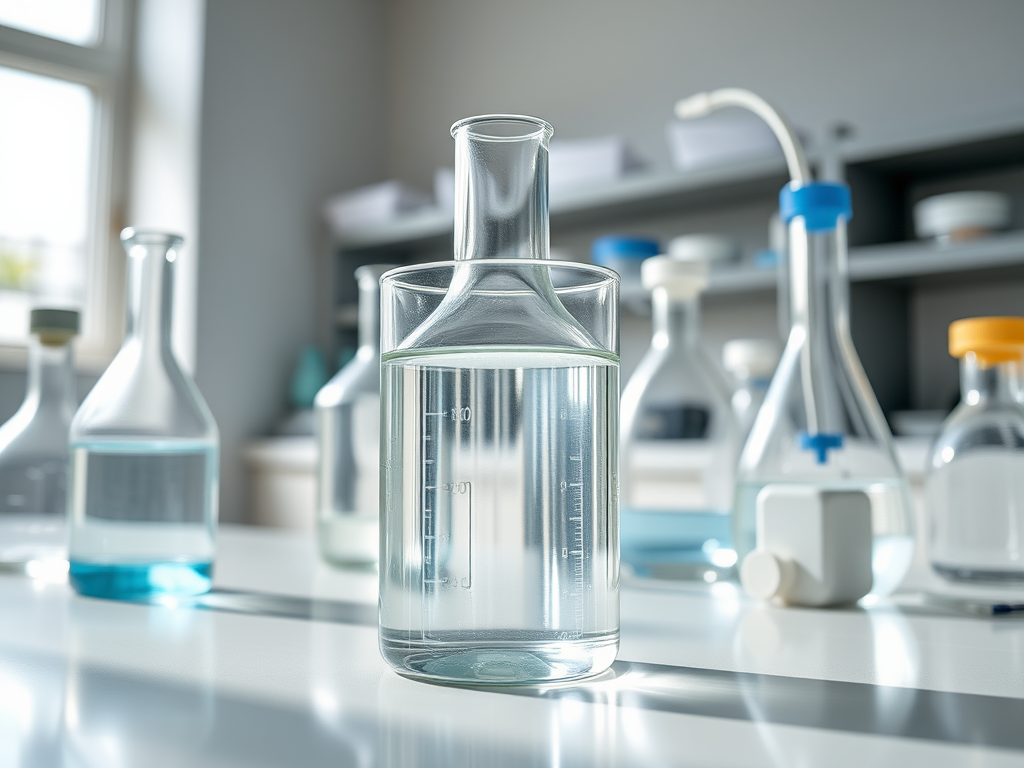
Lab and Medical Basics: Where Distilled Water Is Used (and Why Consistency Matters)
Distilled water is essential in labs and medical settings for achieving consistent and repeatable results. It reduces mineral-related issues, preventing contamination and buildup that can compromise processes. While often misunderstood as simply “cleaner,” its primary benefit lies in stability, ensuring predictable outcomes across various applications and environments.
-

Hospitality Water: The Quiet Luxury Signal
Hotels and spas prioritize water quality to enhance guest comfort and satisfaction. Poor water can negatively affect experiences, causing dissatisfaction related to showers, beverages, and overall cleanliness. High-quality water supports luxury atmospheres by ensuring consistency and eliminating unpleasant tastes or odors, crucial for maintaining an inviting ambiance and operational efficiency.
-

What Distilled Water Actually Is: How It’s Made and What “Pure” Really Means
Distilled water gets talked about like a mystery product You have probably heard it described as “the purest water,” “clean water,” or “water with nothing in it.” All of that is sort of true, but it is also vague enough to be misleading. This guide breaks down what distilled water actually is, how it is…
-
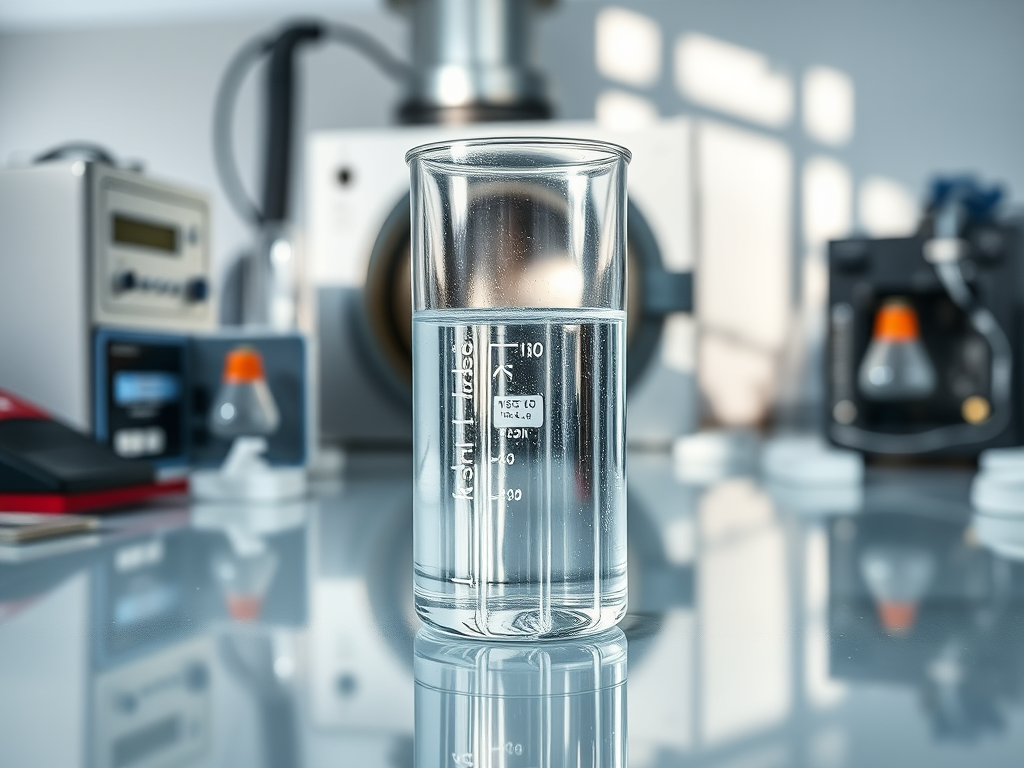
Distilled Water Standards for Labs, Autoclaves, and Electronics Cleaning
The guide emphasizes the importance of distilled water in scientific, medical, and industrial settings, highlighting its benefits in reducing contamination and extending equipment life. It explains when to use distilled water, storage guidelines, and best practices for autoclaves, electronics rinsing, and 3D resin cleanup, ensuring consistent quality across applications.