
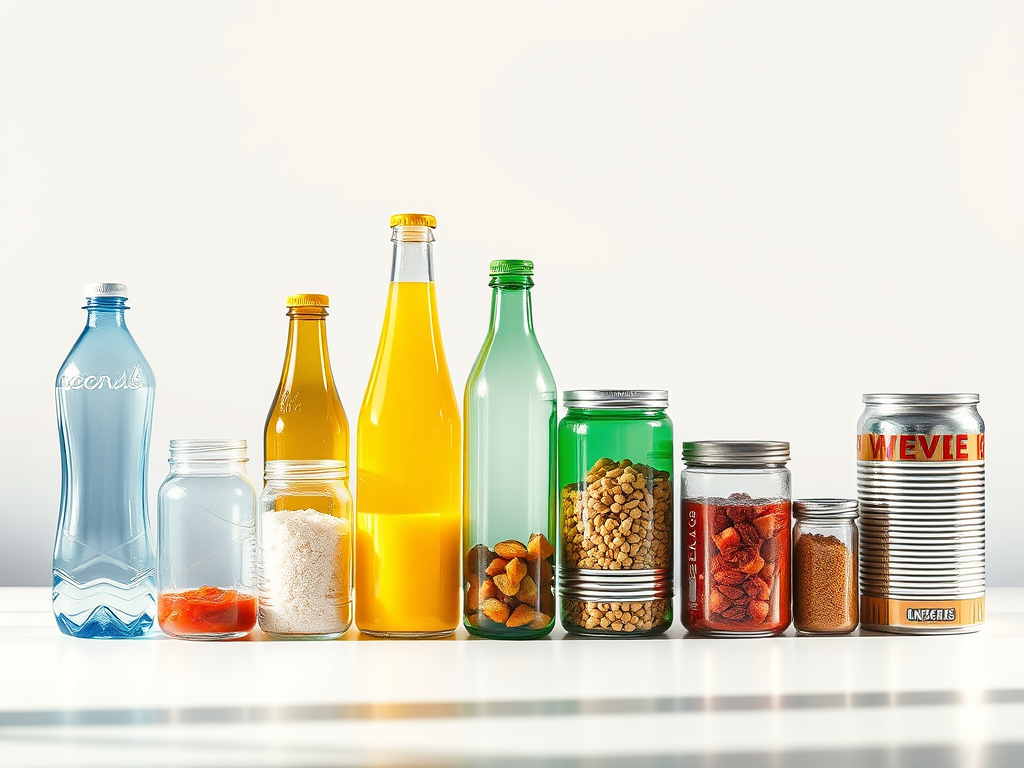
The big misconception: “Food-grade” does not mean “pure”
When something is labeled food-grade, it generally means the material is intended for contact with food or beverages under certain conditions.
It does not automatically mean:
- It adds nothing to taste or smell.
- It will not leach anything over time.
- It performs the same at any temperature, any duration, or any use case.
- It is ideal for long storage.
- It is the best choice for water.
Think of “food-grade” as a baseline permission, not a gold medal.
Food-contact safety is about conditions, not vibes
Packaging safety depends on how the container is used. The same material can be “fine” in one scenario and a bad idea in another.
These are the factors people ignore:
- Time: Short contact is not the same as months of storage.
- Temperature: Heat speeds up chemical migration and off-flavors.
- Light exposure: Sunlight and UV can accelerate degradation in some materials.
- Acidity: Acidic liquids can increase interaction with certain plastics and liners.
- Wear: Scratches, clouding, and scuffs increase surface area and trap residue.
- Cleaning method: Harsh detergents and repeated washing can break materials down faster.
This is why the same “food-grade” container can behave totally differently depending on what you do with it.
The plastic problem people do not want to hear
Plastic is popular because it is cheap, light, and convenient. None of those benefits make it the best material for what you put in your body.
Even when plastic is labeled food-grade, real-world use introduces issues that are easy to ignore until you taste them, smell them, or see them.
1) Plastic can hold onto flavors and odors
Plastic is more permeable than glass. That means it can absorb and retain odors, and it can slowly exchange compounds with the environment.
Ever had water that tastes “like the fridge” or “like the bottle”? That is not a compliment.
2) Plastic scratches, and scratches are a hygiene tax
Scratches are not just ugly. They can trap residue and make cleaning less effective.
The more a plastic bottle is reused, the more it becomes a little ecosystem of micro-wear and trapped film.
3) Heat and time are plastic’s worst enemies
A “food-grade” plastic container can be compliant for intended use, then become a bad idea when it is left in a hot car, placed near a window, or reused for long storage.
This is where off-tastes and “mystery smells” show up.
4) Microplastics are not a conspiracy theory
Microplastics are now being detected across the environment, and plastic packaging is one of the most obvious everyday contributors.
You do not need to become a full-time doom researcher to understand the logic: plastic wears down, sheds, and breaks into smaller pieces over time.
5) Plastic waste is a design feature, not a side effect
Plastic’s convenience creates a disposal pipeline. It is engineered for single-use behaviors, and the end result is predictable: more waste, more litter, more landfill, more cleanup that never fully catches up.
Why glass is the standard if you actually care about what “food-grade” should feel like
If you want packaging that behaves like a neutral container, glass is the closest thing to the ideal.
This is why Distilled Fulfilled is staunchly pro-glass and refuses plastics.
Glass is non-reactive and taste-neutral
Glass does not absorb flavors, does not “hold smells,” and does not add a plasticky note to your water.
If you are paying for quality water, the container should not be part of the flavor profile.
Glass does not degrade the same way plastics do
No clouding, no softening, no chemical smell after a hot day. Glass stays glass.
It is stable, predictable, and honest.
Glass is easier to clean properly
Glass can handle thorough cleaning without developing the same scratch-prone surface issues that turn “reusable plastic” into “questionable plastic.”
Glass supports a real reuse loop
Glass is built for repeated use. That means fewer throwaway cycles and less packaging waste.
A reuse standard is a behavior standard, and behavior standards matter more than marketing labels.
Handling and storage basics people misunderstand
Do not store water next to chemicals
This matters for any container, but it matters more for plastics that can pick up odors or airborne compounds.
Keep water away from cleaning supplies, gasoline, paint, and strong fragrances.
Do not leave bottled water in a hot car
Heat is a stress test. If you want water to stay clean and taste clean, treat temperature like a real variable, not an afterthought.
Sunlight is not “free sterilization”
Sun exposure warms containers and can speed up degradation in certain materials.
Store water in a cool, shaded place for best taste and stability.
Long storage deserves a container that does not “participate”
If you are storing water beyond a quick grab-and-go window, use packaging that stays inert and stable.
That is glass, not plastic.
The practical takeaway
“Food-grade” is not a magic word. It is a minimum standard that depends on how the container is used.
If you want the container to do one job only, hold clean water without adding anything, glass is the gold standard.
Distilled Fulfilled’s stance is simple: no plastics. If the goal is purity, taste clarity, and a real reuse culture, there is no reason to gamble on plastic.
Shop Distilled Fulfilled here.
Leave a Reply