
Category: Sustainability, Glass Bottles, and Compliance
-
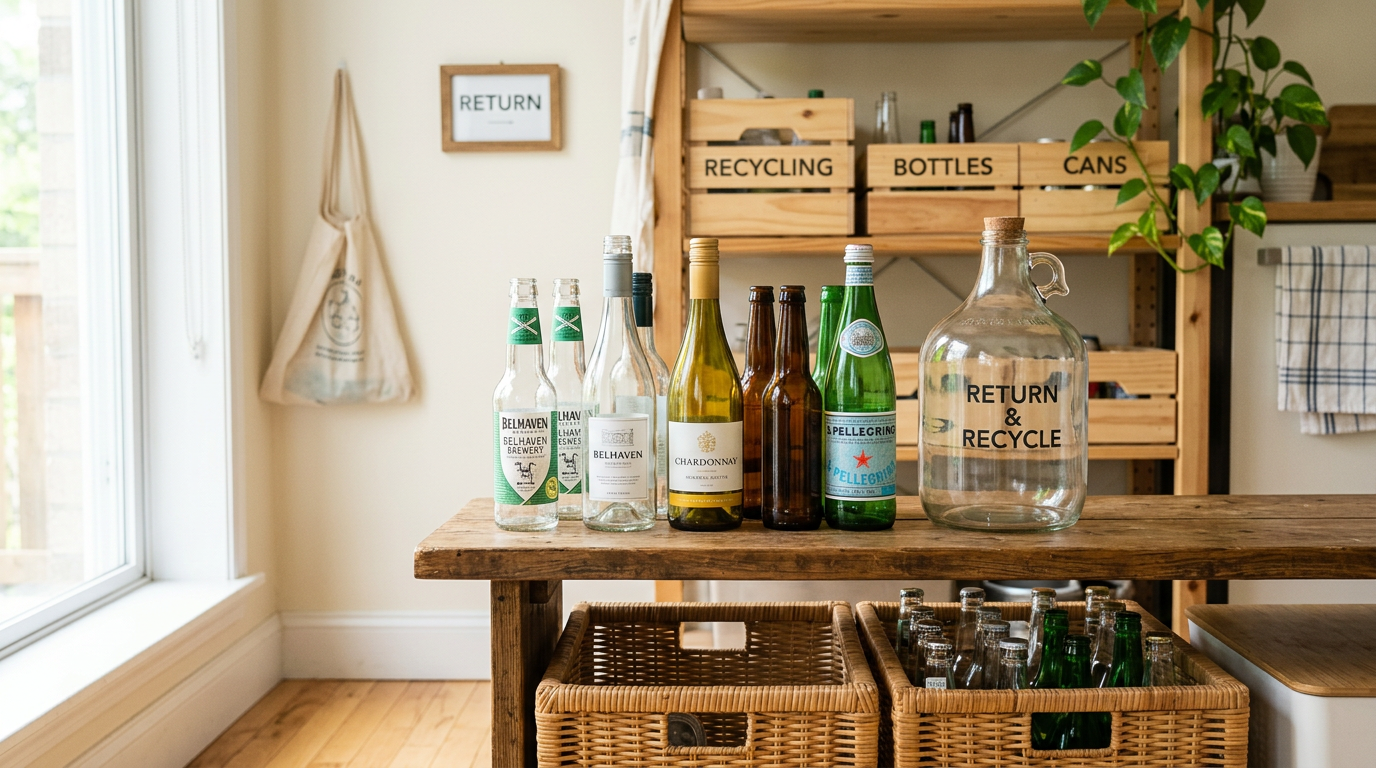
Bottle Return Etiquette: How Customers Help Keep a Glass Refill System Working
A reusable glass bottle system thrives on user habits that promote proper bottle care and return. By establishing a designated return area, ensuring bottles are empty and only used for water, and avoiding contamination, users help maintain efficiency and prevent damage. This organization enhances the sustainability of glass reuse, benefiting both customers and service providers.
-
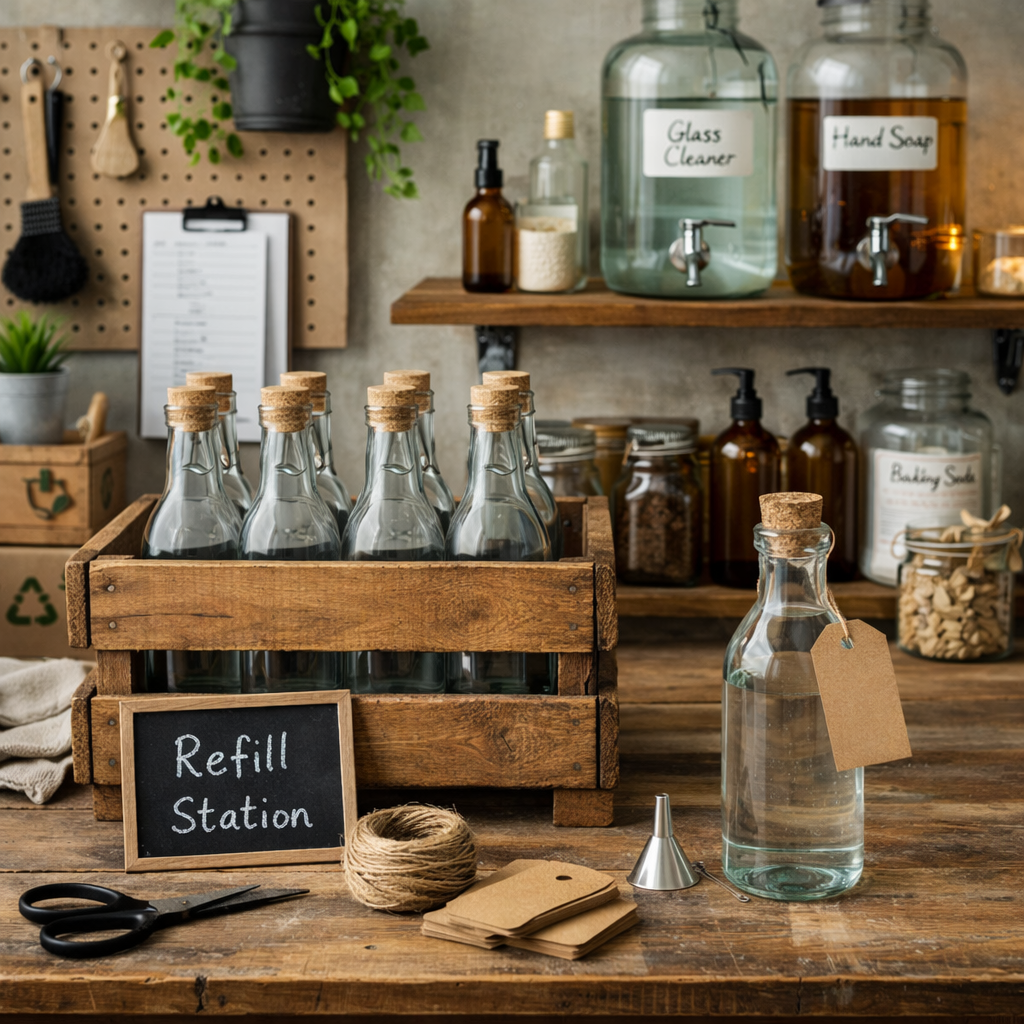
Sustainability Claims That Survive Scrutiny: How to talk about Eco benefits without over-promising
Sustainability messaging is crucial for brands but requires specificity and honesty to maintain trust. Vague claims and over-promising can lead to skepticism. Effective messaging focuses on clear, verifiable claims and operational practices, avoiding exaggerated statements. Companies must align internal and external messaging to ensure credibility and foster genuine customer connections.
-
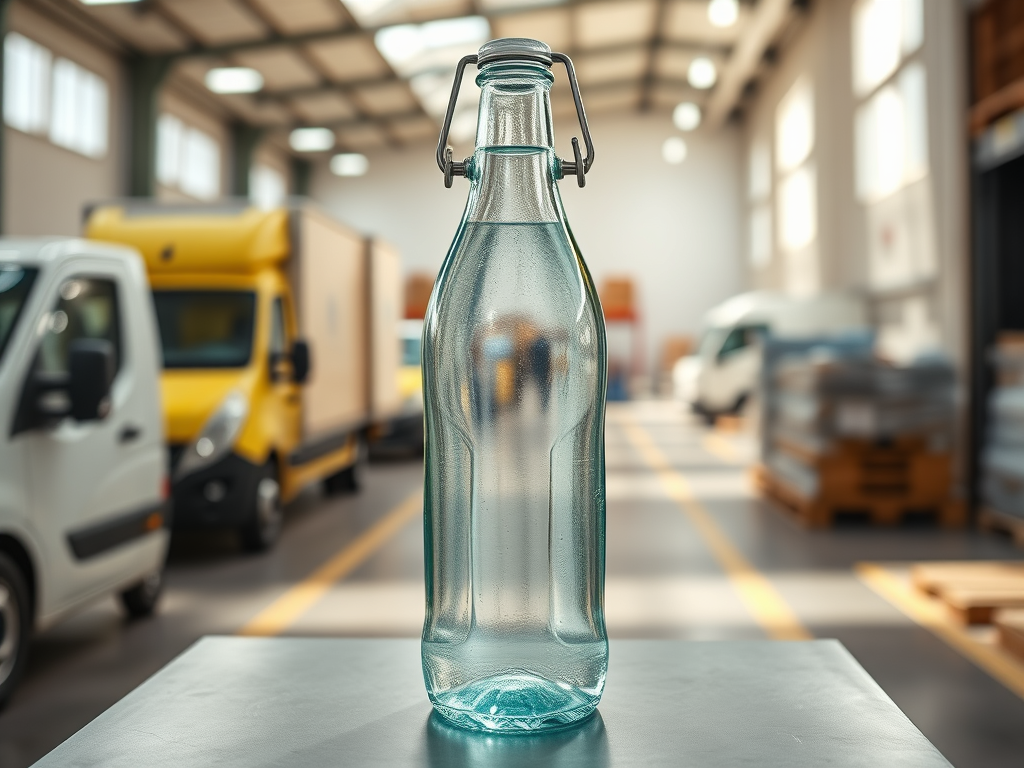
Refill and Return Systems: How closed-loop delivery works (and why it’s harder than it looks)
A closed-loop refill-and-return system involves more than just reusing containers; it requires a comprehensive approach to logistics, sanitation, and customer behavior. Successful implementation relies on high return rates, quality control, and standardized processes. Despite its complexity, this model emphasizes sustainability and product integrity, promoting a shift in how packaging is valued.
-
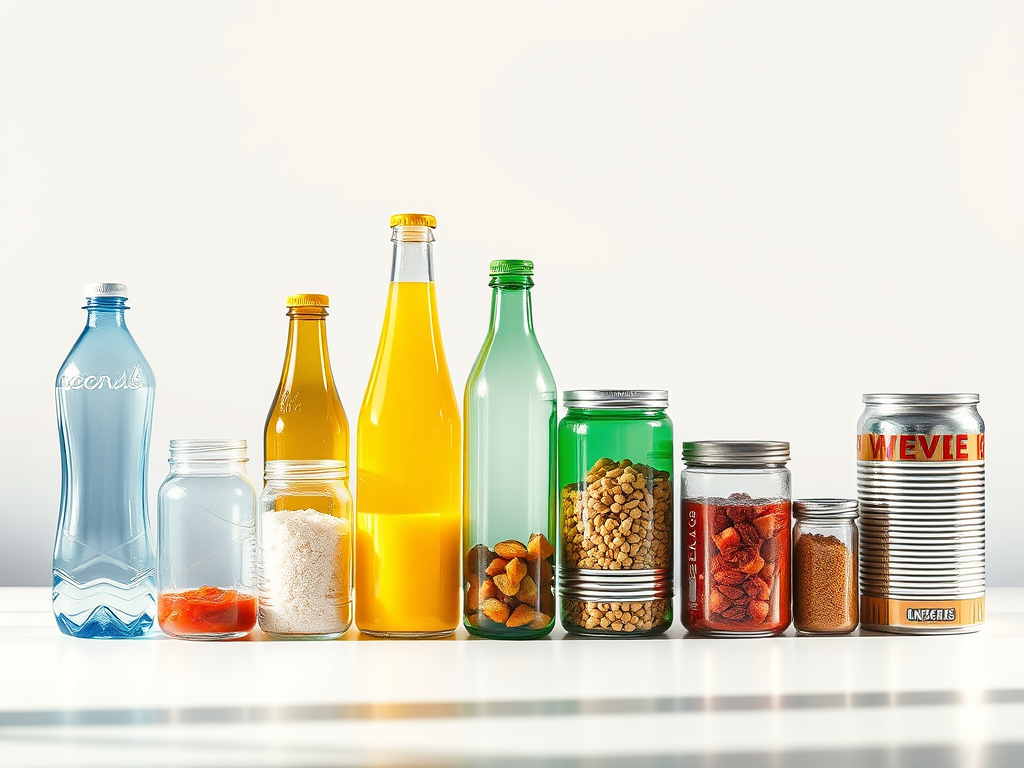
What “Food-Grade” Actually Means: Packaging, Storage, and Handling Basics People Misunderstand
“Food-grade” sounds like a guarantee. It is not. It is a minimum starting line, and most people think it means way more than it does. The big misconception: “Food-grade” does not mean “pure” When something is labeled food-grade, it generally means the material is intended for contact with food or beverages under certain conditions. It…
-
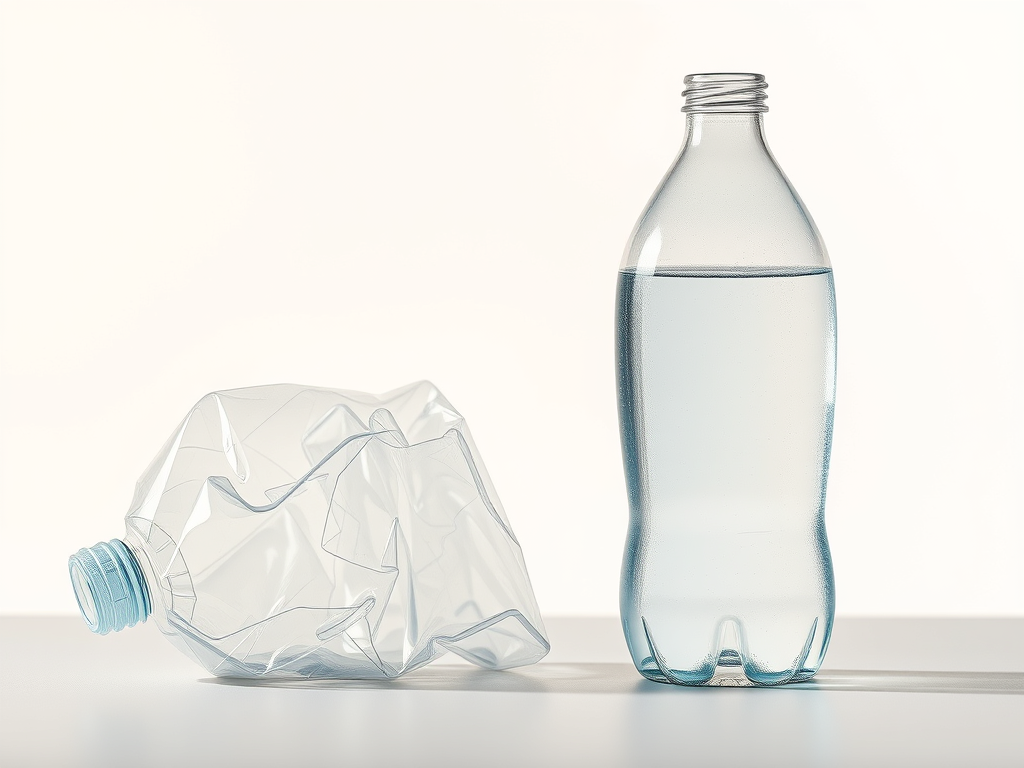
Glass Bottles vs. Plastic: The Real Tradeoffs, Not the Vibes Version
The debate between glass and plastic packaging revolves around various factors including taste, safety, convenience, and environmental impact. Glass is preferred for its neutral taste and reusability, while plastic is favored for its portability and lower cost. Ultimately, the choice depends on individual priorities regarding these trade-offs.
-

Glass vs Plastic: The Sustainable Case for Distilled Water in Reusable Glass
Eco-conscious customers want three things from a water program: clean taste, less plastic, and simple compliance. Reusable glass bottles filled with distilled water meet that brief. Distilled water gives a neutral flavor without mineral film. Heavy-duty glass supports a return, wash, and reuse loop that cuts single-use waste over time. Paired with local delivery, the…