
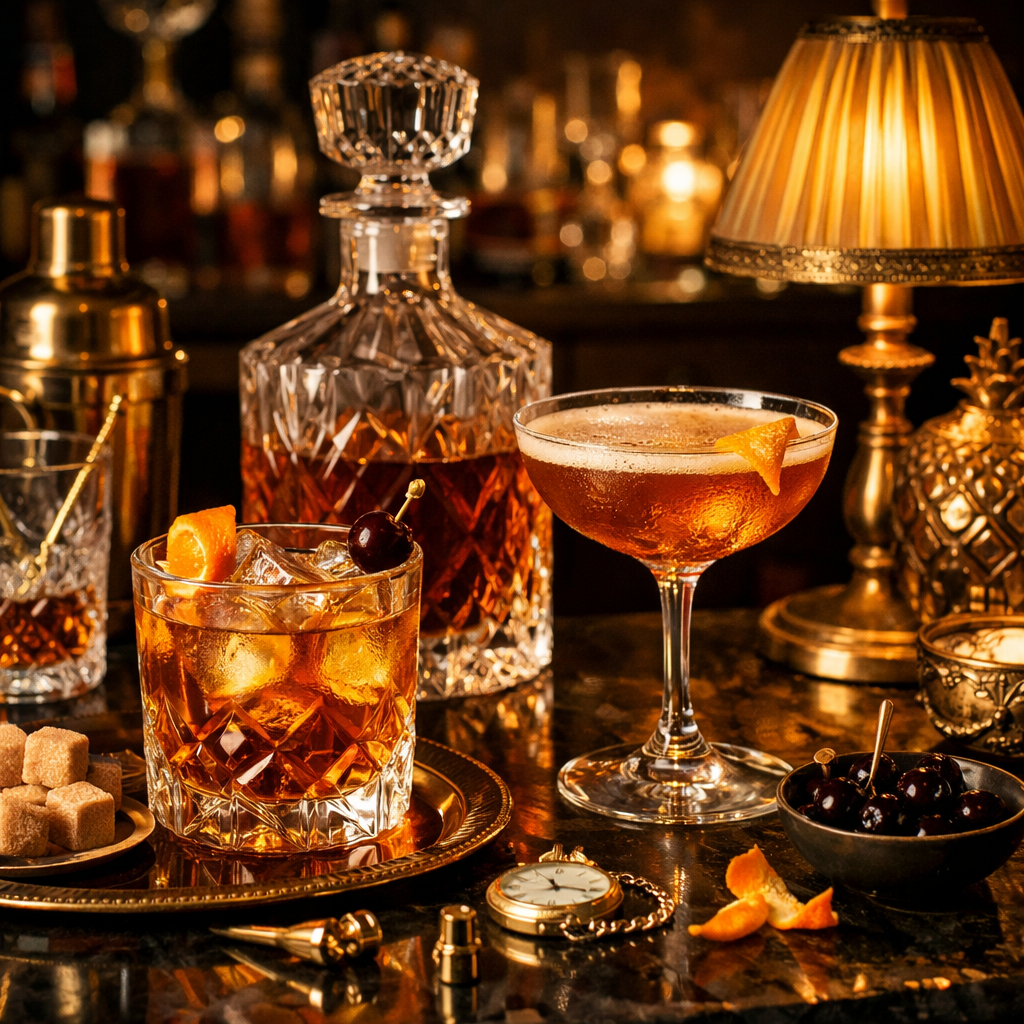
Water Is an Ingredient, Not a Background Detail
Many people still think of water in cocktails as a side effect. Bartenders do not. A Martini that is too tight can taste sharp and angular. A Daiquiri that is under-diluted can come across hot, sour, and aggressive. A whiskey highball with poor ice and warm soda loses structure fast. In each case, water is part of the drink’s design. PUNCH specifically points out that many bars treat water and ice with the same seriousness as any other ingredient because the melted ice becomes part of the finished cocktail.
This is one reason bartenders obsess over consistency. Two drinks made with the same recipe can still taste different if one is colder, more diluted, or built with better ice. Temperature and dilution are tied together. As a drink chills, ice melts. As ice melts, water softens alcohol, widens aroma, and reshapes the balance between spirit, sugar, acid, and bitterness. That is not a flaw. That is the chemistry of the drink doing its job.
Why Dilution Makes Cocktails Taste Better
Alcohol carries flavor, but too much intensity without enough chill and dilution can make a drink feel harsh. Controlled dilution lowers the edge, opens up aroma, and helps ingredients integrate. PUNCH reported that even a short shake can add around 20 percent dilution, while a longer shake can push that meaningfully higher. That added water is not dead weight. It is part of the reason a shaken sour tastes lively instead of raw.
Stirred drinks care about this too. Bartenders stir spirit-forward cocktails not just to chill them, but to hit a target dilution without beating in too much air. That is why a good Manhattan or Martini feels polished rather than blunt. The drink should land cold, silky, and integrated. Too little dilution and it tastes hot. Too much and the structure collapses.
Ice Is Not Just Frozen Decoration
Ice controls the speed of dilution. Shape, size, density, and temperature all matter. Larger cubes generally melt more slowly than smaller or crushed ice, which is one reason bars match different ice styles to different drinks. Liquor.com notes that cube ice can help slow dilution in drinks like a Mojito, while crushed ice is intentionally used when faster chilling and steady dilution are part of the experience.
This is also why bartenders care about whether a drink is shaken, stirred, built over ice, or served up. A shaken Daiquiri gets its water mostly during preparation. An Old Fashioned keeps evolving as it sits on its cube. A highball depends on both ice and carbonated water staying cold enough to maintain structure and fizz. VinePair highlights that in a whiskey highball, dilution from ice is a major part of the drink, not just the sparkling water added on purpose.
Why the Water Itself Matters
If melted ice becomes part of the cocktail, then the quality of that water matters too. Off flavors, excess mineral character, freezer odors, and inconsistent ice can all show up in the finished drink. That matters even more in clear, spirit-forward drinks where there is nowhere to hide. PUNCH documented bartenders who take water quality seriously for exactly this reason, especially in drinks like Martinis where the recipe is simple and every variable shows.
For home bartenders, this is where things get interesting. If your tap water has a strong mineral taste, chlorine character, or just does not taste especially clean on its own, that can carry into your ice and into your drink. The same is true of soda water, freezer-made cubes, and any water used for syrups or pre-batched cocktails. Water is one of those ingredients people ignore right up until they taste the difference.
Why Clear, Neutral Water Helps in the Glass
When bartenders talk about balance, they are talking about control. Neutral water gives them more of it. The less competing flavor the ice contributes, the more clearly the base spirit, citrus, bitters, vermouth, syrup, or carbonation can speak. This does not mean every drink needs laboratory-style perfection. It means the cleaner the water, the fewer unwanted variables are introduced.
That is part of the appeal of using distilled water for certain cocktail applications at home. Distilled water has had dissolved minerals removed, which can make it appealing when you want a neutral starting point for ice, dilution, or equipment use. In drinks where subtlety matters, many people prefer removing as much background interference as possible so the intended flavors come through more clearly. For people who want that cleaner baseline for ice and home bar use, Distilled Fulfilled offers distilled water in glass bottles through local delivery in greater Los Angeles and select shipping options. You can explore the shop here: Distilled Fulfilled Shop.
Examples Bartenders Think About All the Time
The Martini: Tiny recipe, nowhere to hide. If the water in the ice is off, the drink can show it immediately. This is one reason bar professionals quoted by PUNCH specifically discuss water quality in Martinis.
The Daiquiri: Shake time changes everything. Too little dilution and the drink feels loud and unfinished. Too much and it loses tension. Controlled shaking is really controlled watering.
The Old Fashioned: This drink keeps changing in front of you. The first sip and the fifth sip are often different because the cube is doing active work in the glass.
The Highball: This is where water quality becomes extremely obvious. Good ice, cold glassware, and crisp carbonated water make the drink feel elegant. Bad ice and warm bubbles make it feel lazy. VinePair has emphasized how important order, temperature, and dilution are to building a proper whiskey highball.
What Home Bartenders Can Actually Do
You do not need a commercial bar program to improve the water in your cocktails. Start simple:
- Use water that tastes clean on its own for ice, syrups, and top-offs.
- Freeze ice in sealed or protected conditions so it does not pick up freezer odors.
- Use larger cubes when you want slower dilution.
- Use crushed ice when fast chill and active dilution are part of the drink.
- Chill glassware and ingredients so the ice is not doing all the work alone.
Even packaged ice is regulated as a food product by the FDA, which is a useful reminder that ice is not some magical exception. It is food, and it ends up in the drink. The FDA notes that packaged ice is treated as a single-ingredient food and must meet food labeling requirements.
The Real Difference Between a Good Drink and a Great One
A lot of cocktail advice online focuses on the fun parts: rare amaro, expensive whiskey, fancy garnishes, smoked glass domes, dramatic clear spears. That stuff is fine. But the boring truth is that many drinks live or die on temperature and water management. Bartenders care about dilution because it changes flavor. They care about ice because it controls timing. And they care about the water in the glass because once the ice starts melting, that water is no longer separate from the cocktail. It is the cocktail.
If you want cleaner-tasting ice and a more neutral base for home bar use, explore Distilled Fulfilled and stock up on distilled water in glass bottles.
Leave a Reply