
Category: Food, Coffee, Tea, and Cocktails with Distilled Water
-
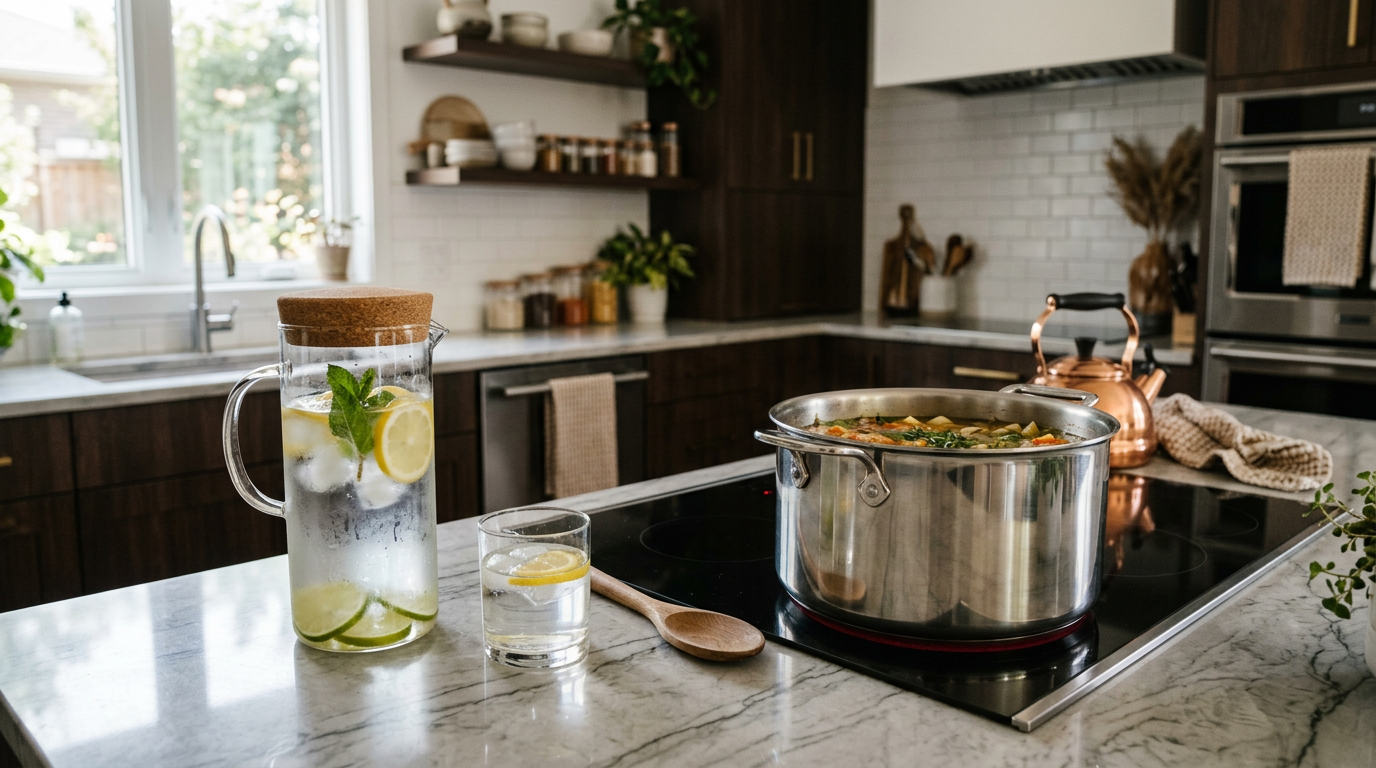
Stocks and Broths: Why the Water Matters When Most of the Pot Is Water
Water is an essential but often overlooked ingredient in making stock and broth, as it influences flavor extraction significantly. Using distilled water, which is low in minerals, can enhance clarity and consistency in delicate stocks. While not universally superior, it’s beneficial for recipes requiring subtle flavors and helps in seasoning accurately.
-
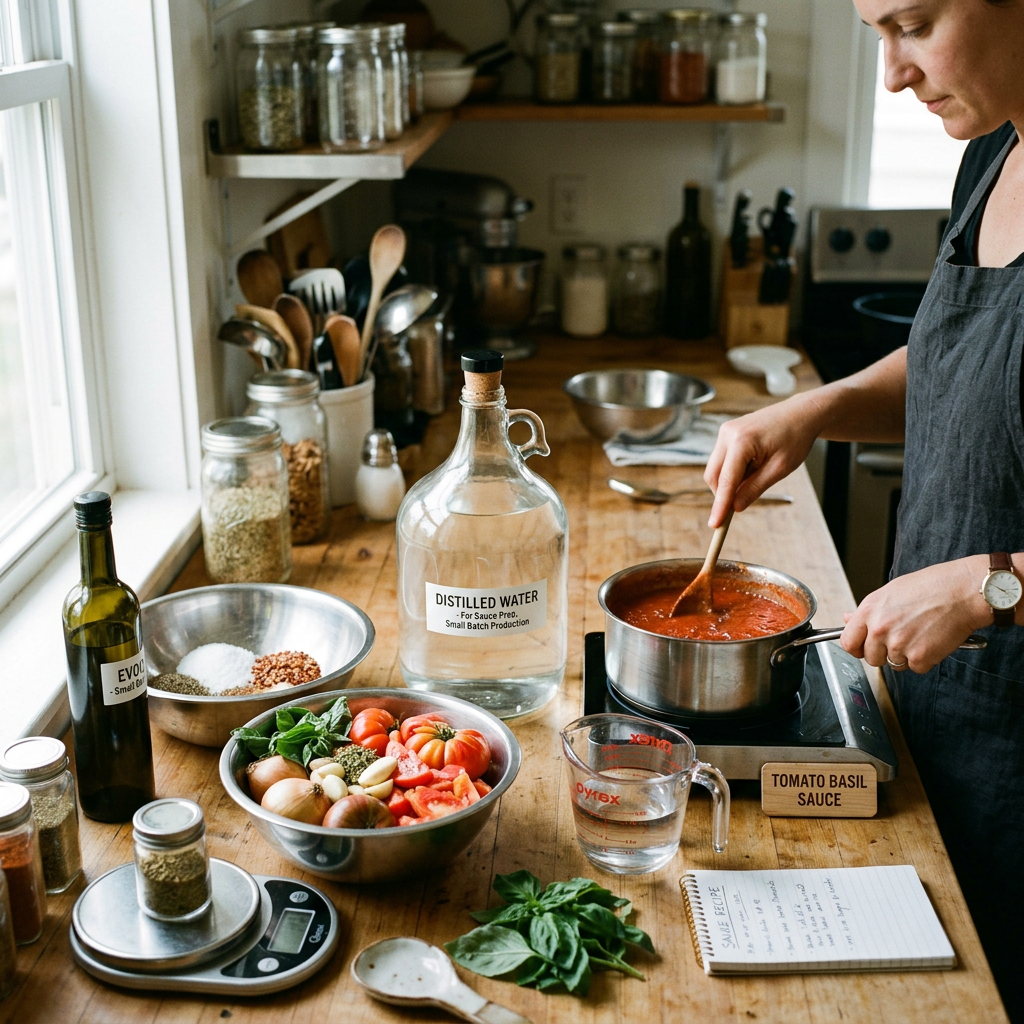
Petite Prep Kitchen: Using Distilled Water for Small-Batch Sauces, Syrups, and Reductions
Small-batch kitchen prep emphasizes the importance of water quality in recipes like syrups, sauces, and reductions, as every ingredient impacts flavor. Using distilled water ensures a clean, neutral base, allowing delicate flavors to shine. Clean equipment and proper storage enhance results, making small-batch cooking more effective and enjoyable.
-

Homemade Popsicles, Fruit Cubes, and Summer Freezer Prep With Cleaner Water
Summer freezer prep can be messy if water quality is neglected. Using distilled water enhances the taste of homemade popsicles, fruit cubes, and drinks while preventing unwanted flavors from freezing in. Proper storage and organization are key to maximizing freshness. Cleaner water and thoughtful prep lead to enjoyable summer beverages and treats.
-

Fermentation, Pickling, and Brines: Why Water Quality Can Change the Result
Fermentation and pickling look simple from a distance. Salt, water, vegetables, spices, time. Maybe vinegar. Maybe a starter culture. Maybe a jar on the counter that makes guests ask if everything in the kitchen is okay. But the details matter. Salt matters. Temperature matters. Clean jars matter. Timing matters. Ingredients matter. And yes, water matters…
-
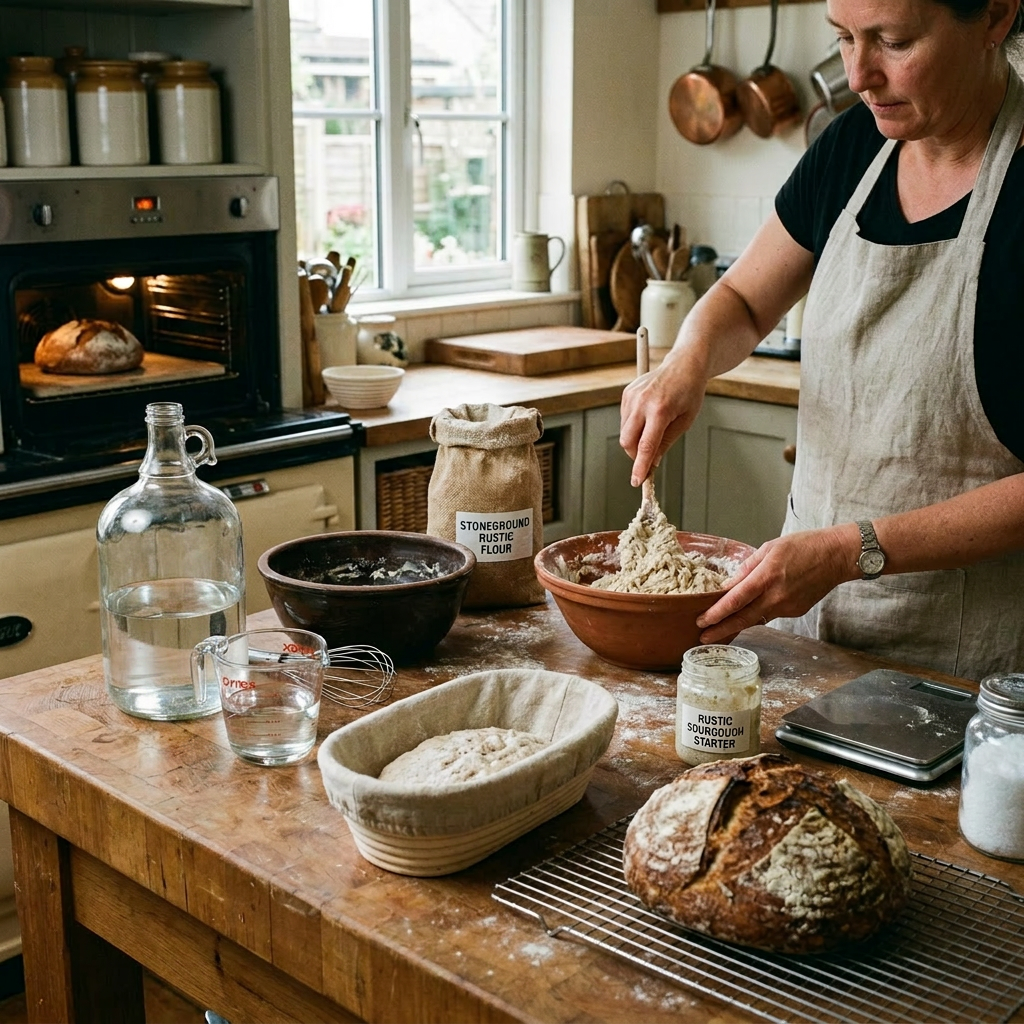
Bread Baking and Water Quality: When Low-Mineral Water Helps and When It Needs Support
Bread baking seems simple but can be complex due to variables like flour, yeast, and notably, water. Using distilled water provides a clean, low-mineral baseline that enhances consistency and flavor in bread recipes. It helps bakers control outcomes, isolate problems, and maintain quality in their baking routines.
-

Home Soda Makers and Sparkling Water: Why Your Base Water Changes the Final Drink
Home soda makers simplify creating sparkling water, but the quality is determined by the base water used. Distilled water provides a clean, neutral flavor, enhancing the carbonation process. Using glass bottles improves storage and presentation while reducing waste. A refined routine fosters better-tasting sparkling water and a more organized kitchen experience.
-

Cooking With Better Water: Rice, Pasta, Soups, and the “Clean Baseline” Effect
Water is essential not just for drinking but also for cooking, as it influences the flavor of food. Distilled Fulfilled emphasizes using clean, neutral-tasting distilled water stored in glass bottles to enhance the taste of dishes like rice, pasta, and soups. This reduces interference from unwanted flavors, improving culinary consistency.
-

Cocktail Chemistry: Why Bartenders Care About Dilution and the Water in the Glass
Water plays a crucial role in cocktail quality, influencing dilution, temperature, and flavor integration. Serious bartenders prioritize ice quality and water purity, as even slight variations can alter a drink’s balance. Proper water management transforms cocktails from good to great, highlighting its importance in both professional and home bartending.
-
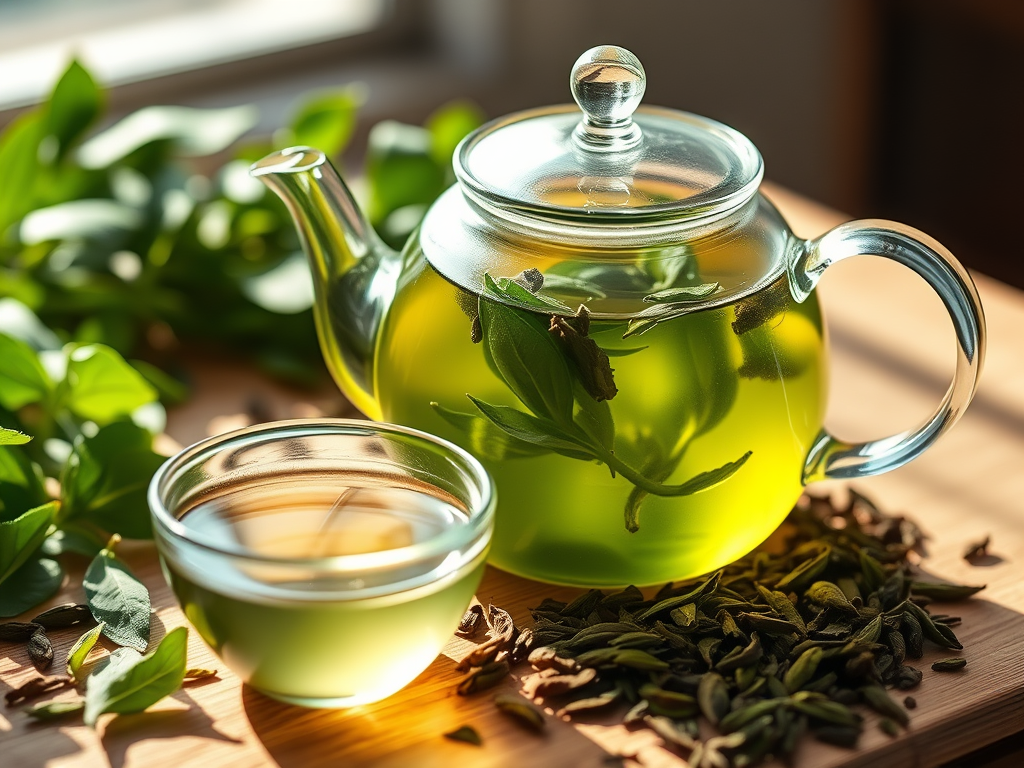
Tea That Actually Tastes Like Tea: Minerals, clarity, and why some water ruins delicate cups
The quality of water used in brewing can significantly impact the taste of tea, influencing aroma and flavor clarity. High mineral content, chlorine, and aggressive tastes can mute delicate teas, making them taste flat or harsh. Using distilled water allows the true essence of tea to be appreciated, providing cleaner, brighter brews.
-
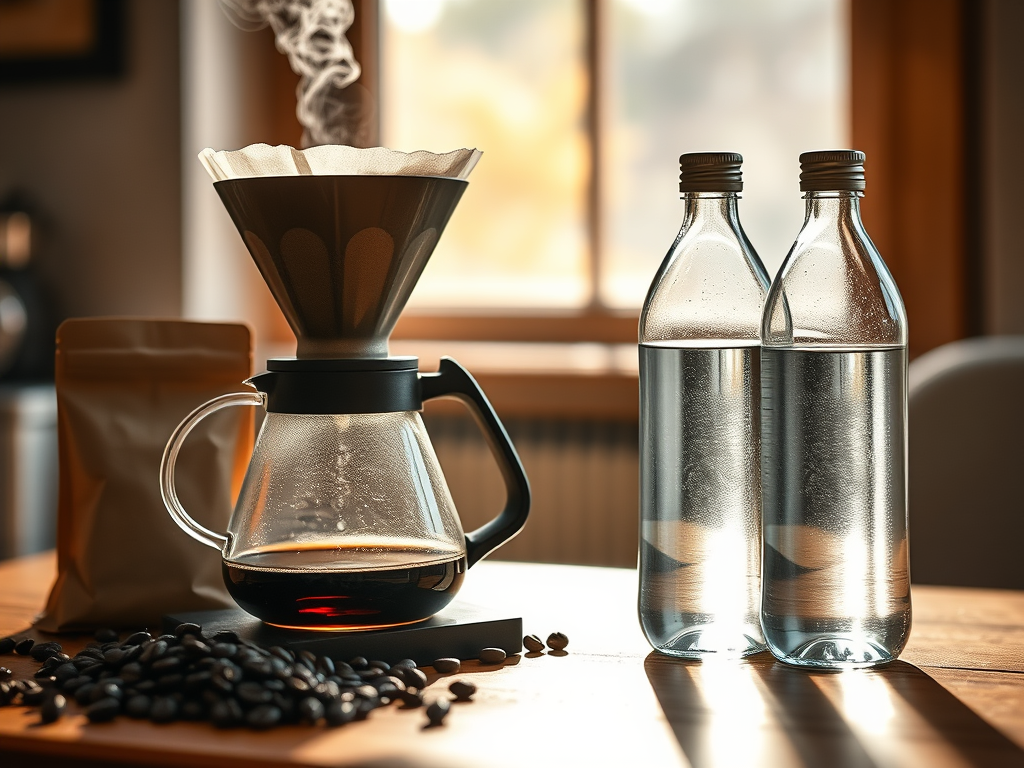
Better Coffee at Home: What Distilled Water Changes in Flavor and Consistency
You can buy better beans, upgrade your grinder, and still end up with coffee that tastes a little off. Bitter one day, flat the next. Sometimes the crema disappears. Sometimes your pour over stalls. A lot of people blame the coffee. The quieter culprit is often the water. If you want a clean baseline you…