
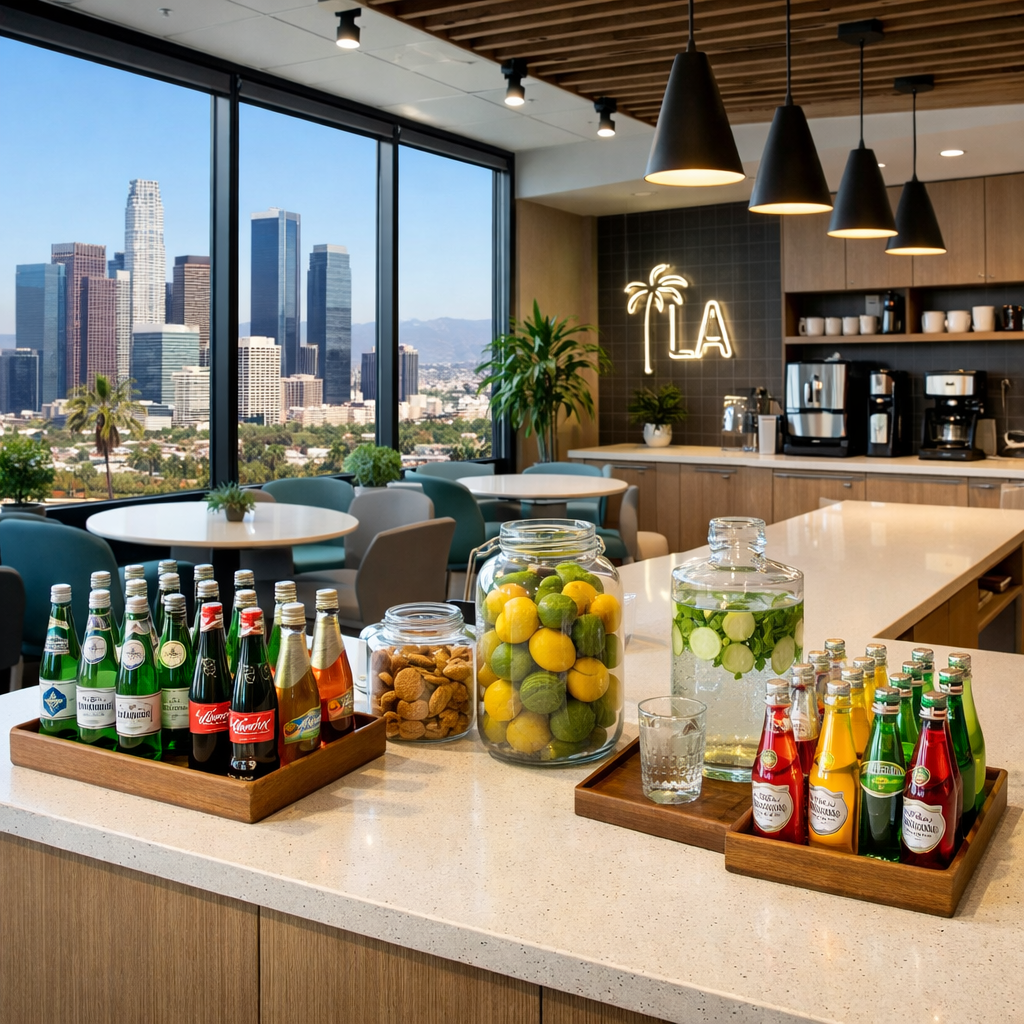
A lot of offices say they care about employee comfort, client experience, and workplace culture. Then you walk into the break room and find one sad case of water, a half-working dispenser, and three employees fighting over the last cold bottle like it is a post-apocalypse barter scene.
In Los Angeles, office hydration should be treated like a basic operational system, not an afterthought. Between warm weather, long commutes, dry indoor air, coffee-heavy workdays, and hybrid schedules that make inventory harder to predict, a bad water setup gets exposed fast. If the water is hard to access, poorly stored, or never cold, people will drink less of it. It is that simple.
The good news is that most office water problems are fixable. You do not need a massive facility overhaul. You need better stocking habits, cleaner storage, smarter placement, and a setup that makes water the easiest thing to grab.
Start with access, not intentions
A lot of office managers think keeping water somewhere in the suite is enough. It is not. If the water is hidden in a back kitchenette, buried behind paper towels, or only available in one corner of a large office, people will default to coffee, soda, energy drinks, or nothing at all.
Water should be visible and easy to grab from the spaces people already use. That usually means the main kitchen, a secondary common area, and any conference or client-facing space where people naturally gather. If your team has to stop what they are doing and go on a side quest for hydration, your setup is already failing.
Stock based on real attendance, not fantasy attendance
One of the biggest mistakes offices make is stocking water as if every day looks the same. It does not. In-office collaboration days, client meeting days, hot afternoons, and post-holiday Mondays all hit differently. Some offices get caught short because they only count headcount. Smart offices count patterns.
A better approach is to build your inventory around actual usage. Know how many people are usually in the office on your busiest days. Add buffer stock for hot weeks, team events, and visitor traffic. Then create a reorder point before the supply gets low enough to become everybody’s problem at once.
Offices that stay ahead of this usually have one person who owns the system. Not ten people vaguely noticing the fridge is looking thin. One person. One standard. One restock process.
Cold water gets consumed. Warm water gets ignored
This is one of those things that should not need to be said, but apparently it does. Most people will drink more water when it is cold and ready to go. They will drink less when the bottle is warm, the dispenser is slow, or the only option feels like it has been aging in a supply closet since the last presidential administration.
If you want teams to actually drink water, keep a cold supply ready during working hours. That does not mean every bottle needs to live in the fridge at all times. It means you need a rotation system. Chilled stock up front. Backstock stored cleanly. Refill the cold supply before the rush, not after everyone already gave up and opened another canned caffeine missile.
Storage matters more than people think
Office water storage gets sloppy fast. Cases end up in direct sunlight near a window, stacked next to cleaning products, or shoved under shelves with no organization. Then people act surprised when the setup feels cheap, chaotic, or slightly gross.
Water should be stored in a cool, clean, dry indoor space away from chemicals, heat sources, and heavy foot traffic. If you are keeping reserve inventory, separate it from active stock so people are not ripping open random cases and wrecking the rotation. First in, first out is not glamorous, but it works.
This matters even more in offices trying to project a polished image to employees, guests, and clients. Water is one of those tiny details that quietly signals whether a workplace is thoughtfully run or permanently winging it.
Make water easier to grab than everything else
A lot of offices sabotage their own hydration efforts by making every other drink more convenient. The sparkling junk is front and center. The coffee station looks like a boutique café. The office snack shelf has enough sugar to power a carnival ride. Meanwhile the water is hidden, warm, or inconvenient.
If you want people to drink more water, it has to be the path of least resistance. Put it at eye level. Keep it stocked. Keep cups nearby if needed. Make it the first thing people see, not the last thing they settle for. Office behavior is usually not a mystery. People choose what is easiest.
Think beyond the break room
Good office water planning is not just about employee thirst. It is also about meetings, hospitality, presentation, and the overall feel of the workplace. A conference room with a clean water setup feels more prepared than one where somebody has to sprint to the kitchen five minutes into a meeting. A waiting area with water available feels more considered than one with nothing but stale air and a crooked stack of magazines.
This is especially true in Los Angeles, where brand image, client perception, and office atmosphere often matter just as much as raw utility. If your office serves customers, hosts meetings, or wants to look like it has its act together, water is part of the environment.
Hybrid schedules still need a system
Hybrid offices often get lazy because they assume fewer people means less planning. In reality, hybrid schedules can make water management harder. Attendance shifts. Busy days spike. Slow days make people over-order or under-order. Nobody knows who is responsible because the office is only half full half the time.
The fix is simple. Track usage by day. Learn which days run heavy. Stock for those days first. Keep reserve inventory for surprise traffic. Do not guess based on vibes. A few weeks of basic observation will tell you far more than a year of casual assumptions.
Do not treat office water like a commodity if you want people to care
The cheapest, most careless water setup usually feels exactly like that. Offices that want better participation should think about taste, presentation, packaging, convenience, and consistency. If the experience feels better, more people will actually use it.
That is one reason more businesses are paying attention to cleaner, better-presented water options for offices, studios, wellness spaces, and hospitality environments. The water itself matters, but so does the experience around it. Glass packaging, cleaner presentation, and a more intentional supply setup can make office water feel like part of the workplace standard rather than an afterthought shoved into a fridge drawer.
A simple office water checklist that actually works
Keep water visible. Keep backup stock organized. Keep active stock cold. Store reserve inventory away from heat and clutter. Reorder before you are almost out. Match supply to your busiest days. Assign one person to own the process. And stop pretending the office is hydrated just because somebody dropped a case by the microwave three days ago.
This is not complicated. It just requires treating water like something people actually use, not something management assumes magically handles itself.
The bottom line
Office water in LA should be easy to access, properly stored, consistently stocked, and pleasant enough to drink that people choose it without thinking twice. When the system is good, hydration becomes automatic. When the system is bad, water becomes one more little sign that the workplace is held together with wishful thinking and Slack messages.
If you want a more polished water setup for your office, studio, client space, or team environment, explore Distilled Fulfilled and build a better standard from the bottle up.
Leave a Reply