
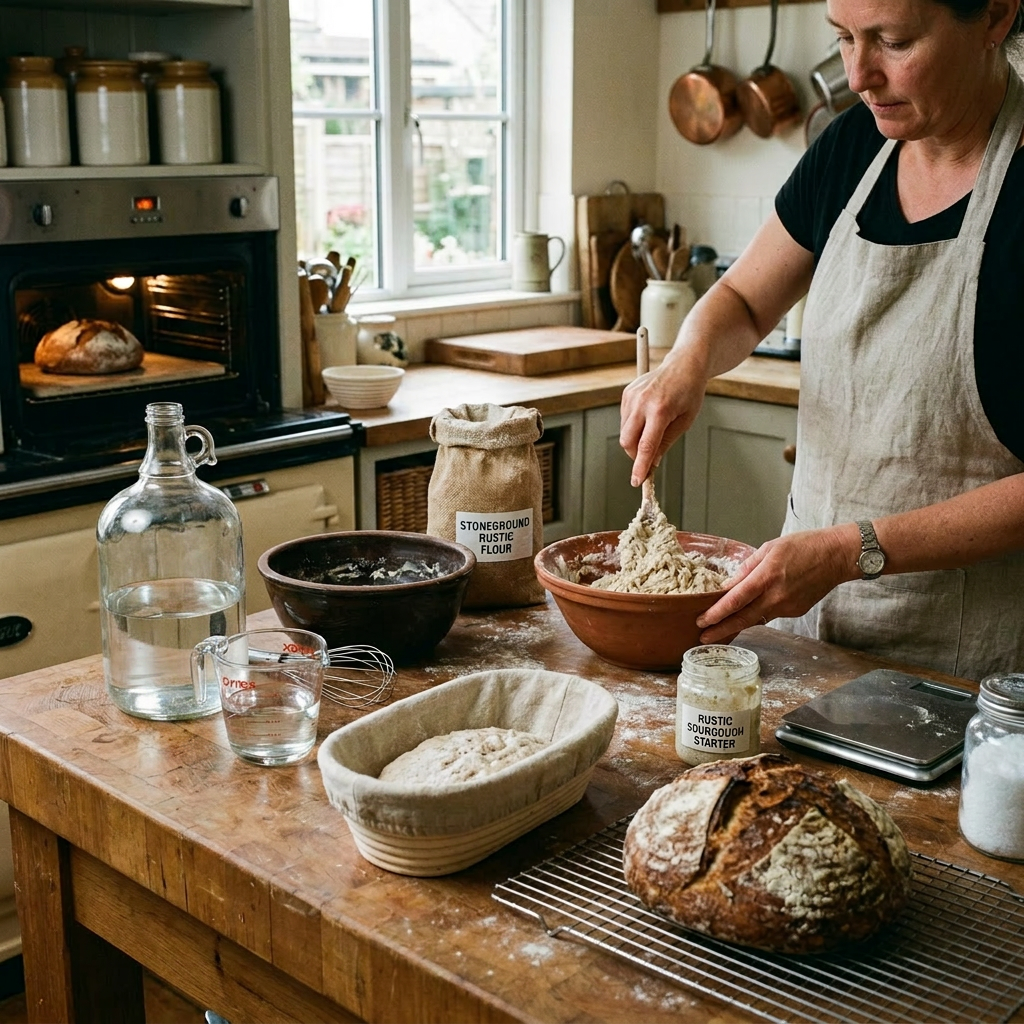
Bread looks simple until you actually try to make it consistently. Flour, water, yeast or starter, salt, time, heat. That is the whole pitch. Then one loaf rises beautifully, the next one acts like it has personal problems, and suddenly you are staring at dough like it owes you money.
Most home bakers focus on flour, fermentation time, kneading, shaping, oven temperature, and starter strength. All of that matters. But water matters too. It affects dough feel, fermentation, flavor, consistency, and how predictable your recipe becomes from one bake to the next.
Distilled water gives bakers a clean, low-mineral baseline. That can be useful, especially when your tap water tastes off, smells chlorinated, varies by season, or leaves mineral residue around the kitchen. But bread is not always as simple as “remove everything from the water and call it done.” Sometimes low-mineral water helps. Sometimes the dough may need support from the rest of the formula.
Water Is Not Just Wet Flour Glue
In bread baking, water does more than bring flour together. It hydrates the flour, activates enzymes, helps gluten develop, supports yeast activity, carries salt through the dough, and affects the texture of the finished loaf.
That means the water you use can change the process. A dough made with one water source may feel different from dough made with another. Some water has a strong mineral taste. Some has chlorine or other treatment flavors. Some is hard enough to leave visible buildup on fixtures and appliances. Some is soft and low in minerals.
If your recipe keeps changing even when your flour, timing, and method stay the same, the water source is worth looking at. It may not be the whole problem, but it is part of the system.
Why Bakers Care About Consistency
Baking rewards consistency. The more variables you control, the easier it becomes to understand what went right or wrong. If your flour changes, your dough changes. If your room temperature changes, your fermentation changes. If your water changes, that can also affect the result.
Distilled water is useful because it gives you a cleaner baseline. It removes some of the unknowns that come with tap water, especially taste, odor, mineral content, and seasonal variation.
That does not mean distilled water is the only correct water for bread. It means it can help you create a more controlled starting point. For home bakers trying to troubleshoot, that control can be valuable.
When Low-Mineral Water Can Help
Low-mineral water can be helpful when your tap water is creating obvious problems. If your water tastes heavily mineral, smells strongly treated, leaves residue, or changes noticeably from time to time, using distilled water can make your bread routine cleaner and more predictable.
It can also be helpful for bakers who want to isolate variables. If you are testing a new flour, adjusting hydration, improving your sourdough schedule, or comparing recipes, distilled water gives you a neutral base so you are not guessing whether the water is interfering with the test.
This is especially useful in a home kitchen where you may also use the same water for coffee, tea, cooking, cleaning, appliances, and daily drinking. A clean water source can support more than one routine.
When Low-Mineral Water May Need Support
Bread dough still needs balance. Minerals in water can play a role in yeast activity and dough strength, depending on the recipe and method. If you switch from mineral-heavy tap water to distilled water and notice the dough behaves differently, pay attention.
The answer is not to panic. It is to adjust intelligently. Your flour, salt, fermentation time, starter strength, and mixing method may matter more than the water alone. Some bakers using very low-mineral water may prefer formulas that already have enough structure and balance from the flour, salt, and fermentation method.
Distilled water is a clean baseline. It is not a magic bread potion. If the dough needs more strength, time, salt accuracy, starter activity, or formula adjustment, the water will not do that work by itself.
Start With a Cleaner Water Baseline
Distilled Fulfilled delivers clean distilled water in reusable glass bottles and glass jugs, making it easier to keep better water ready for baking, cooking, coffee, tea, hydration, appliance care, and everyday kitchen routines.
Shop distilled water in glass bottles or contact Distilled Fulfilled to set up a refill routine that keeps your kitchen stocked.
Sourdough Bakers Should Pay Attention
Sourdough is already a living system. Starter strength, feeding schedule, room temperature, flour choice, hydration, salt, shaping, and timing all influence the final loaf. Water is one more variable in that system.
If your starter seems sluggish, the cause could be many things. It may be feeding timing, flour choice, temperature, or starter maturity. Water can also be worth testing if your tap water has a strong smell, taste, or treatment profile.
Using distilled water for a few controlled bakes can help you compare results. Keep everything else the same. Same flour. Same feeding schedule. Same timing. Same temperature as much as possible. Then see whether the water change makes the routine more predictable.
Yeasted Bread and Everyday Loaves
For sandwich bread, dinner rolls, pizza dough, focaccia, and other yeasted doughs, water consistency still matters. These recipes may be more forgiving than sourdough, but they still depend on hydration, yeast activity, gluten development, and timing.
If your everyday doughs are inconsistent, start by checking the obvious basics: yeast freshness, flour type, water temperature, salt measurement, mixing method, proofing environment, and oven temperature. Then look at water quality as part of the larger picture.
Distilled water can help create a clean, repeatable base, especially if your tap water has taste or mineral issues. It allows the recipe ingredients to do their job without bringing extra flavor or residue into the process.
Water Temperature Still Matters
Even with good water, temperature matters. Warm water can speed up yeast activity. Cooler water can slow fermentation. Many bread recipes use water temperature intentionally to control the dough schedule.
Do not treat water temperature as a casual detail. If the recipe gives a target temperature, follow it. If you are baking sourdough, pay attention to the dough temperature and the room temperature. A clean water source helps, but the wrong temperature can still push fermentation in the wrong direction.
Distilled water gives you a clean starting point. Temperature gives you control over timing. Both matter.
Why Glass Storage Helps the Kitchen Routine
When you bake regularly, the water setup should be easy to use. A clean glass jug or glass bottle on hand makes it simple to measure water for dough, feed a starter, mix a preferment, or prep a recipe without relying on whatever comes out of the tap that day.
Glass also fits the kitchen visually. It looks cleaner on a counter, pantry shelf, or baking station than disposable packaging. It supports the feeling of an organized baking routine instead of another pile of clutter.
Distilled Fulfilled’s refill model helps keep that routine stocked. Full glass bottles or glass jugs come in. Empties go back. The kitchen stays supplied without building a tower of single-use water packaging.
Use Distilled Water for Testing Recipes
If you are testing a new bread recipe, distilled water can help reduce uncertainty. When the water is neutral and consistent, it becomes easier to judge the flour, hydration level, fermentation time, shaping method, and baking temperature.
This is useful when comparing recipes or troubleshooting. If one loaf spreads too much, one dough ferments too quickly, or one crumb turns out dense, you can focus on the ingredients and method without wondering whether your water source changed the game.
That is the real advantage. Better baking often comes from removing confusion. Distilled water removes one common variable from the table.
A Simple Bread-Baking Water Checklist
- Use a consistent water source when testing or troubleshooting recipes.
- Choose distilled water when you want a clean, low-mineral baseline.
- Pay attention to water temperature, especially for yeast and sourdough recipes.
- Keep flour, salt, timing, and method consistent when comparing results.
- Watch how the dough feels after switching water sources.
- Use glass bottles or glass jugs to keep baking water ready in the kitchen.
- Do not assume water fixes every dough problem. Check the full formula and process.
- Restock before heavy baking days, holidays, and weekly meal prep.
Keep Better Water Ready for Baking Day
Distilled Fulfilled helps keep clean distilled water ready in reusable glass bottles and glass jugs, with delivery and refill options for real kitchen routines. Use it for bread baking, cooking, coffee, tea, hydration, and the everyday habits that work better with a cleaner water source.
Order distilled water in glass bottles and give your next loaf a cleaner starting point.
Final Sip
Bread baking is a system. Flour matters. Salt matters. Yeast or starter matters. Time matters. Temperature matters. Water matters too.
Distilled water gives home bakers a clean, low-mineral baseline that can help reduce off-flavors and make recipes more consistent. It may not be the answer to every dough problem, but it is one smart way to control the process. Pair it with good flour, accurate measurements, proper fermentation, and a stocked kitchen routine, and your bread has a better place to begin.
Leave a Reply