
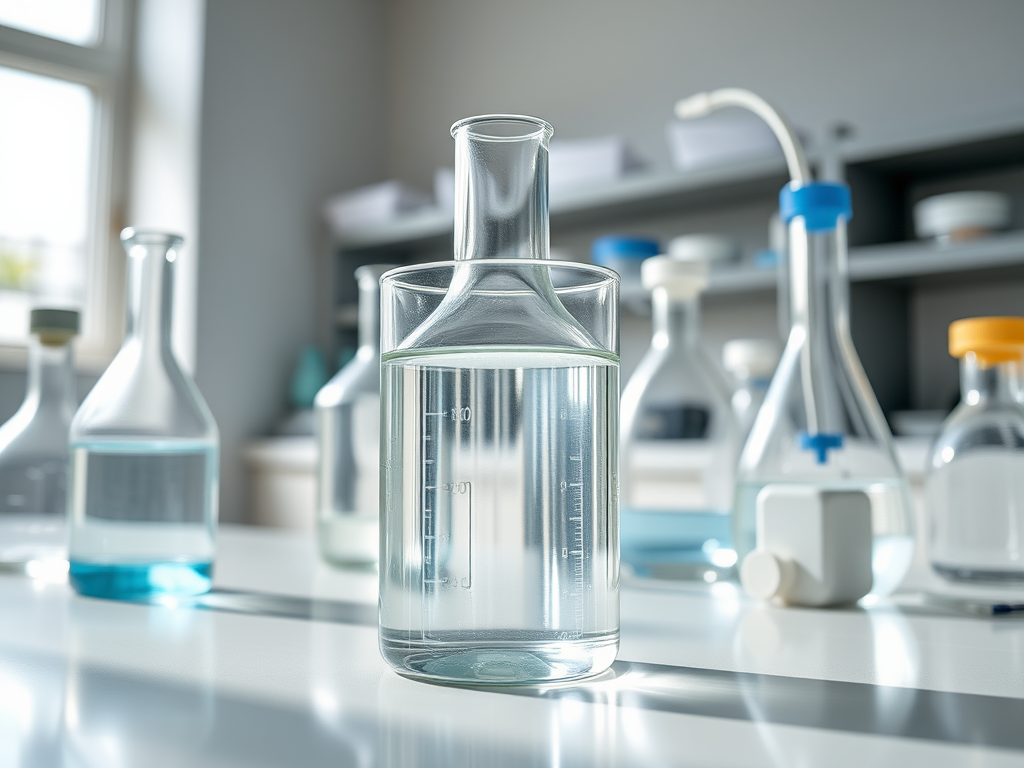
Labs and medical settings do not obsess over water because they are dramatic. They do it because water is part of the method.
When the water changes, the outcome can change. Distilled water is one of the simplest ways to reduce variables and keep results
consistent, repeatable, and easier to trust.
Distilled Water, in Plain Terms
Distilled water is water that has been boiled into steam and condensed back into liquid. This process removes most dissolved
minerals and many impurities, which is why it is commonly used when you want water to behave the same way every time.
In everyday life, “good enough” water is often fine. In lab and medical work, “good enough” can become “why did this run fail,”
“why does it look different than yesterday,” or “why are we getting inconsistent readings.”
Where Distilled Water Shows Up in Labs
1) Rinsing and cleaning glassware
Glassware and lab tools are constantly washed and rinsed. Tap water can leave mineral residue that dries into spots or films.
Those residues can interfere with sensitive work or create extra cleaning cycles. Distilled water is often used for final rinses
specifically to reduce deposits and keep surfaces truly clean.
2) Preparing solutions and buffers
Many lab solutions depend on precise concentrations and stable chemistry. Minerals and ions in regular water can shift pH,
introduce trace contaminants, or change how reagents behave. Distilled water helps keep the “water part” of the formula from
drifting.
3) Calibration and instrument support
Certain instruments, sensors, and lab processes rely on consistent inputs. Even when distilled water is not the official
specification for an instrument, it is commonly used in workflows where mineral buildup would harm performance or add noise.
Consistency reduces troubleshooting.
4) Autoclaves and steam-based sterilization support
In many facilities, mineral-heavy water causes scale buildup in steam systems over time. Scale can reduce efficiency, increase
maintenance, and shorten equipment life. Using low-mineral water helps reduce deposits and the headaches that come with them.
Always follow your equipment manufacturer’s requirements, but the logic is the same: fewer minerals means fewer deposits.
Where Distilled Water Shows Up in Medical and Clinical Settings
1) Device care and maintenance
A lot of medical and clinical equipment involves water in some form: rinsing, humidification, steam, cleaning, or support
processes. Minerals can create residue and buildup, which can affect performance, hygiene, and longevity.
2) Reducing mineral deposits in sensitive workflows
When you are dealing with surfaces, containers, or systems where residue matters, distilled water is used because it leaves less
behind. That is the whole point. Less residue means fewer surprises.
3) Consistency across shifts and locations
One underrated issue in clinics and multi-location operations is that “water” is not a stable ingredient. Tap water can vary by
neighborhood, season, plumbing, and local treatment changes. Distilled water gives teams a more predictable baseline when
processes need to be consistent.
Why Consistency Matters More Than “Purity”
People hear “distilled” and think the benefit is simply “cleaner.” In lab and medical contexts, the bigger advantage is often
repeatability. You want water that behaves like water, not water-plus-minerals-that-change.
- Fewer variables: results are easier to replicate when inputs are stable.
- Less residue: fewer spots, films, and scale-related maintenance issues.
- Cleaner processes: fewer mystery issues that waste time and cause rework.
- More predictable outcomes: especially when water is part of a measured method.
Common Misunderstandings
“Distilled is the same as sterile.”
Not automatically. Distillation removes most dissolved solids and many impurities, but “sterile” refers to eliminating living
microorganisms under specific standards. If you need sterile water for a medical purpose, follow clinical requirements and use
the correct sterile product.
“Any distilled water is identical.”
Distilled water is generally consistent compared to tap, but storage, handling, and packaging still matter. Exposure to air,
container materials, and contamination during use can affect quality over time.
“This is only for scientists.”
The same logic applies at home when you want predictable results: humidifiers, CPAP-style humidification systems, steamers,
irons, lab-style hobby work, and any appliance where mineral buildup becomes a problem.
Practical Takeaway
In labs and medical environments, distilled water is not a luxury. It is a control. It keeps processes tighter, surfaces cleaner,
and outcomes easier to reproduce. If you care about consistency, distilled water is one of the simplest upgrades you can make.
If you want lab-consistent distilled water delivered in glass, stock up here:
Distilled Fulfilled Shop.
Leave a Reply