
Category: Children’s Wellness
-

The After-School Water Station: Hydration Before Homework, Snacks, and Screens
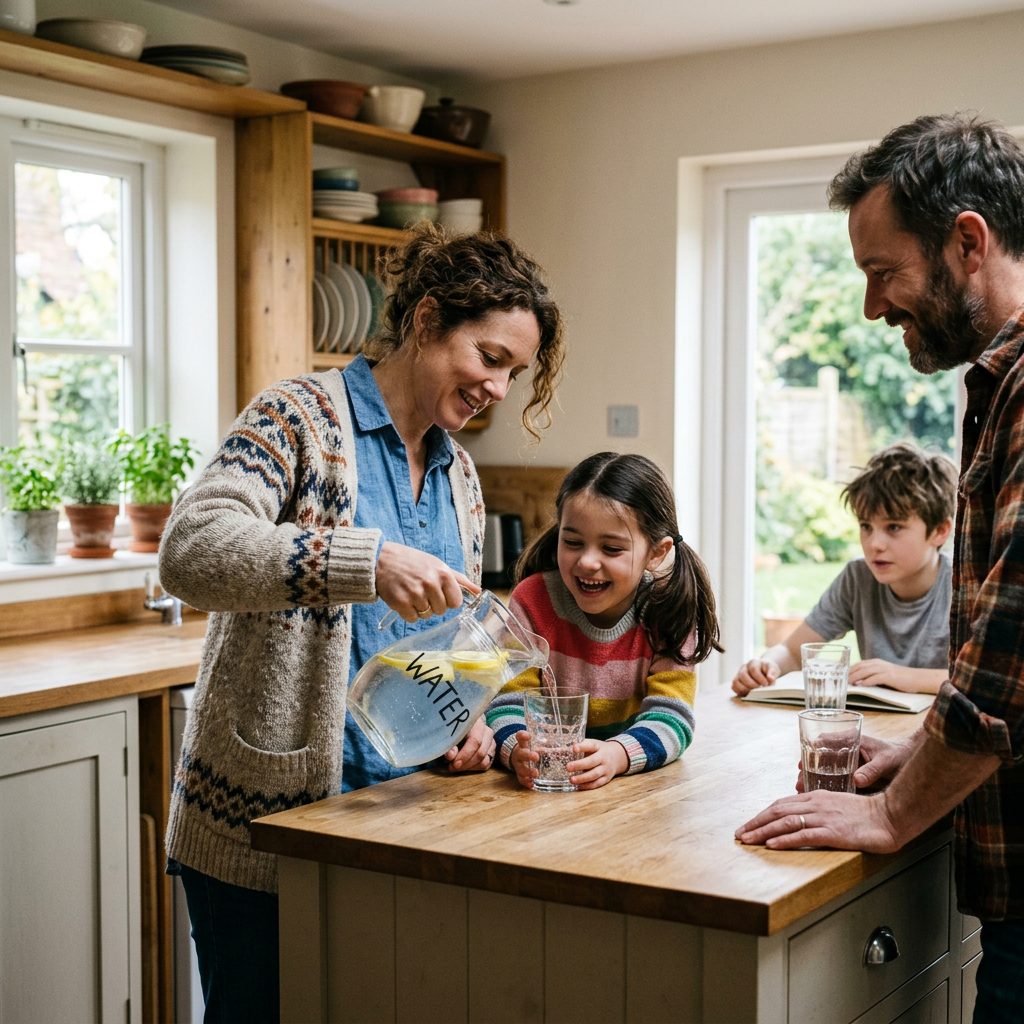
An after-school water station simplifies hydration for kids transitioning from school to home. By placing water and snacks together in a visible, accessible location, parents can encourage healthy habits. A consistent routine encourages children to drink water easily, making it part of their daily activities without added stress or complexity.
-
Teaching Kids the Difference Between Water, Juice, and “Treat Drinks”
Kids learn drink habits by observing what is available at home. Water should be the default drink, while juice and treat drinks have specific, occasional roles. Establishing a clear routine and using simple language about these categories helps children understand the difference, making water an everyday part of their lives without framing it negatively.
-

Family Beach, Park, and Theme Park Hydration: How to Pack Water Without Chaos
Family outings require strategic hydration planning to avoid last-minute chaos. Start by stocking clean distilled water at home in reusable containers. Tailor packing based on destination rules to ensure easy access. By keeping water visible and incorporating it into routines, families can stay hydrated without relying on costly convenience options.
-

Sports Practice Hydration for Kids: Before, During, and After the Game
Hydration for kids during sports should be simple and routine-based, ensuring water is easily accessible before, during, and after practices. Parents should incorporate water into daily schedules and checklists, making it a regular part of sports preparation. Using clean distilled water can facilitate good hydration habits and reduce reliance on sugary drinks.
-

Water Safety Basics for Families: Storage, Clean Containers, and Common Mistakes
Most families require a systematic approach to water safety at home, focusing on proper storage and clean containers. Key recommendations include storing at least one gallon per person daily, using food-grade containers, and avoiding contamination. Regularly labeling and rotating supplies ensures safety and accessibility, preventing last-minute panic during emergencies.
-

Sports Days and Hot Days: Kid-friendly hydration plan without sugar overload
A smart hydration plan for kids emphasizes the need for regular water intake during activities, especially in hot weather. Children are more vulnerable to heat and often forget to hydrate. Water is the best choice, while sugary drinks should be reserved for extended, intense activities. Early and frequent hydration is key.
-

Lunchbox Hydration: What to Pack, When to Refill, and Why Taste Matters
Effective lunchbox hydration requires addressing temperature, taste, and access, not just motivation. Using insulated bottles, adding ice, and ensuring water tastes clean can significantly improve drinking habits. Packing enough water for the day with a refill plan and establishing simple refill moments promotes consistent hydration.
-
Hydration for Kids Without the Drama: Simple Habits That Actually Stick
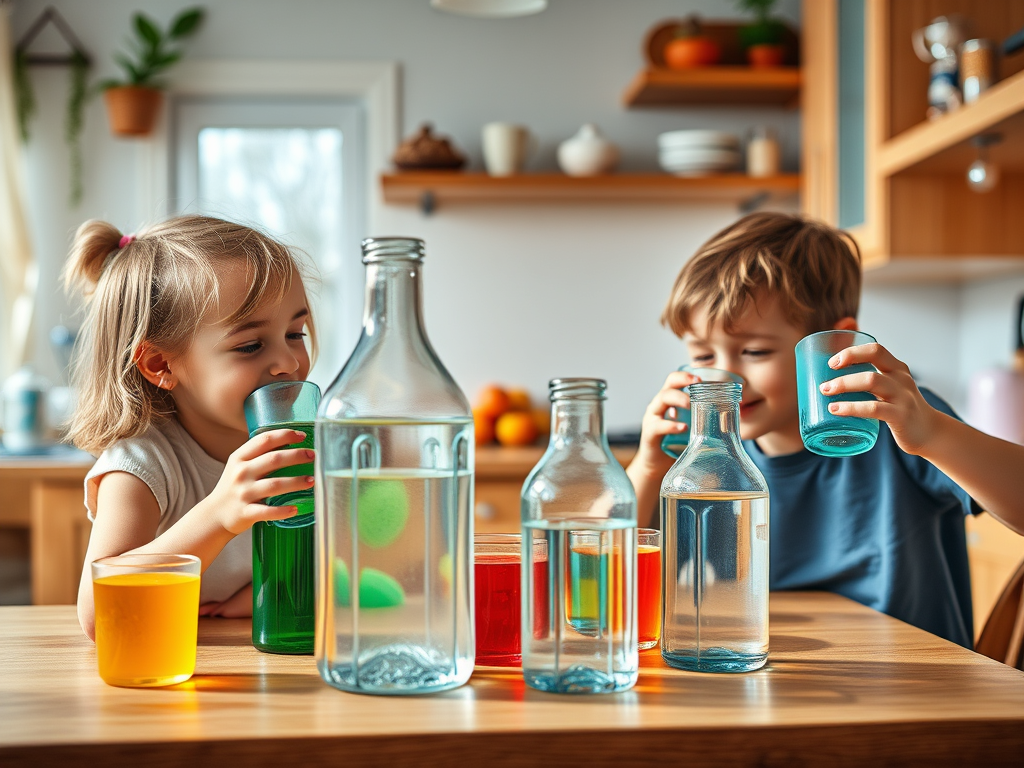
Encouraging kids to drink enough water can be simplified by reducing friction and integrating hydration into daily routines. This guide outlines straightforward habits, like placing water in accessible spots and using small goals instead of large ones. Additionally, ensuring water tastes clean and providing appealing options can promote consistent hydration.
-
Is Distilled Water Safe for Babies? The Truth Behind Formula Preparation
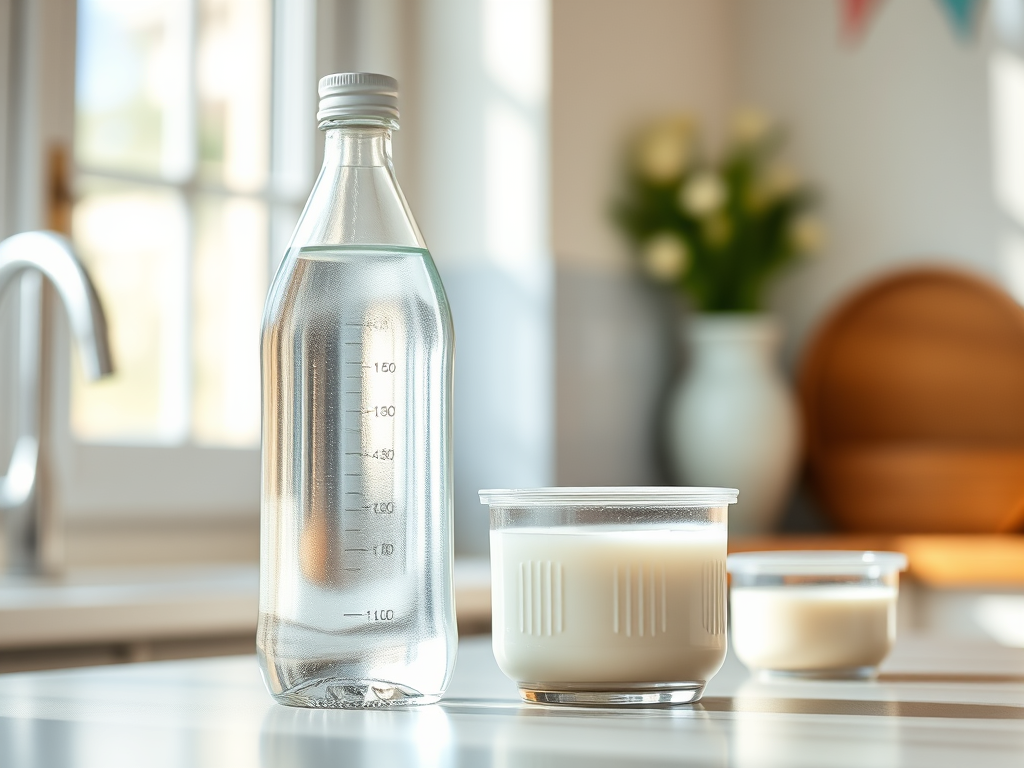
Distilled water is safe for mixing infant formula, reducing contaminants and fluoride risks. It simplifies preparation for parents, particularly for high-risk infants. While infant formulas provide necessary minerals, distilled water ensures safety and consistency. Always consult a pediatrician and follow formula labels for optimal preparation and handling.
-

Why Distilled Water is the Best Choice for Baby Formula and Baby Foods
When it comes to caring for your baby, every decision matters. From the type of formula you choose to the first pureed foods you prepare, you want to be confident that what you give your little one is safe, healthy, and free of anything harmful. One important but often overlooked factor is the kind of…