
Getting kids to drink enough water can feel like a daily negotiation. The good news is you do not need to “win” hydration with lectures, giant bottles, or constant reminders. The habits that stick are the ones that feel easy, predictable, and normal.
This guide is built around simple systems that reduce friction, plus a few small upgrades that make water taste better and feel more appealing. You can start with one change today and build from there.
Why hydration gets weird with kids
Most hydration problems are not about stubbornness. They are about friction.
- Kids forget. Play is louder than thirst signals.
- Water does not taste “rewarding” compared to sweet drinks.
- The cup is not nearby when they need it.
- They do not love the taste if their tap water smells or tastes off.
So the goal is not “drink more.” The goal is make water the easiest option in the moments that matter.
The no-drama hydration baseline
If you want the simplest possible rule set, start here:
- Water at wake-up (a few sips counts)
- Water with every meal and snack
- Water before leaving the house
- Water after active play
That is it. No tracking app. No hourly alarms. Just predictable anchors tied to what already happens every day.
Habit #1: Put water where the action is
Kids drink what is in front of them. Make water visible and effortless:
- Keep a kid-friendly bottle or cup in the kitchen at counter level.
- Set a “water spot” in the living room or play area (with a spill-safe bottle).
- Keep a small cooler bag in the car with water ready to go.
Parent move: If the bottle is in the backpack, hydration is over. If the bottle is on the table, hydration happens.
Habit #2: Use “tiny wins” instead of big goals
For many kids, “drink this whole bottle” feels like work. But “take three sips” feels easy.
- Ask for three sips before screen time.
- Ask for three sips before leaving the house.
- Ask for three sips after a playground sprint.
Those small repeats add up fast, and they do not trigger resistance.
Habit #3: Make water taste clean and consistent
Kids are surprisingly sensitive to taste and smell. If your household water has a chlorine smell, metallic taste, or just a “pool vibe,” some kids will avoid it without being able to explain why.
That is where distilled water can help. Distilled water is made by boiling water into steam and condensing it back into liquid, which removes many dissolved minerals and impurities. The result is a neutral, consistent taste that some families find easier for kids to drink.
Simple upgrade: If your kid is a “one sip and done” water drinker, try offering chilled distilled water for a week and see if intake improves without extra effort.
Habit #4: Chill it, do not complicate it
Cold water is often more appealing than room temperature water. You do not need fancy flavor drops.
- Keep a pitcher in the fridge.
- Use ice cubes that do not smell like the freezer.
- Use stainless bottles that stay cold longer.
Optional: Add a lemon wedge or a few cucumber slices occasionally, but avoid making flavor the requirement. The goal is “water is normal,” not “water needs a performance.”
Habit #5: Build hydration into the routine, not the conversation
Reminders can work, but constant reminders create drama. Make it automatic instead:
Morning
- Place water next to breakfast.
- Send a bottle in the bag every day, even on short trips.
After school
- Water first, then snack.
- Water after sports practice or playground time.
Evening
- Offer a few sips with dinner.
- Do a small “top off” an hour before bed, not right at bedtime.
Habit #6: Pick a bottle that actually gets used
The “best” bottle is the one your kid will use without thinking.
- Age 3 to 6: easy flip-top, lightweight, simple spout
- Age 7 to 10: straw lid or chug lid, dishwasher-safe
- Age 11+: larger capacity, minimal leaks, fits backpack pocket
Tip: Let kids choose between two parent-approved options. Choice increases buy-in without turning it into a shopping spree.
Quick signs your kid might need more water
This is not medical advice, but these are common “maybe we should offer water” clues:
- They are noticeably cranky or low energy
- They complain of headaches
- They are active and sweating a lot
- They have dark yellow urine (a general clue, not a perfect test)
If you have concerns about hydration or health conditions, check with a pediatrician.
A simple 7-day reset plan
If you want an easy starting point, try this:
- Day 1: Put a water bottle in the main play area.
- Day 2: Add “three sips before leaving the house.”
- Day 3: Add “water first, then snack” after school.
- Day 4: Move water to the table at every meal.
- Day 5: Chill the water and keep it ready in the fridge.
- Day 6: Test what tastes best in your home (tap vs filtered vs distilled).
- Day 7: Keep the habits that worked and drop the rest.
Where Distilled Fulfilled fits in
If your child refuses water because of taste or smell, you can fight that battle every day, or you can remove the friction. Many families use distilled water as a clean-tasting option for drinking, mixing with juices in smaller amounts, or making ice cubes that do not carry tap flavors.
Distilled Fulfilled delivers premium distilled water in glass, making it easy to keep a consistent, great-tasting option on hand. When water tastes better and is always available, the habit gets easier.
Explore Distilled Fulfilled delivery options
FAQ
How much water should my child drink?
Needs vary by age, activity level, and climate. A practical approach is to offer water at routine moments (wake-up, meals, before leaving, after activity) and watch for steady energy and regular bathroom habits. If you want exact targets, ask your pediatrician for guidance based on your child’s age and activity.
Is it okay to flavor water?
Occasionally, sure. But avoid creating a rule where water must be flavored to be acceptable. Use flavor as an occasional bonus, not the baseline.
Can I use distilled water for everyday drinking?
Many people do. Distilled water has a very neutral taste because it contains very low mineral content. For personal health questions or special dietary needs, check with a healthcare professional.
My kid only drinks water with ice. Is that a problem?
No. If cold water helps the habit stick, that is a win. Just keep it consistent and easy.
Featured image package
Image Title: Hydration for Kids Without the Drama
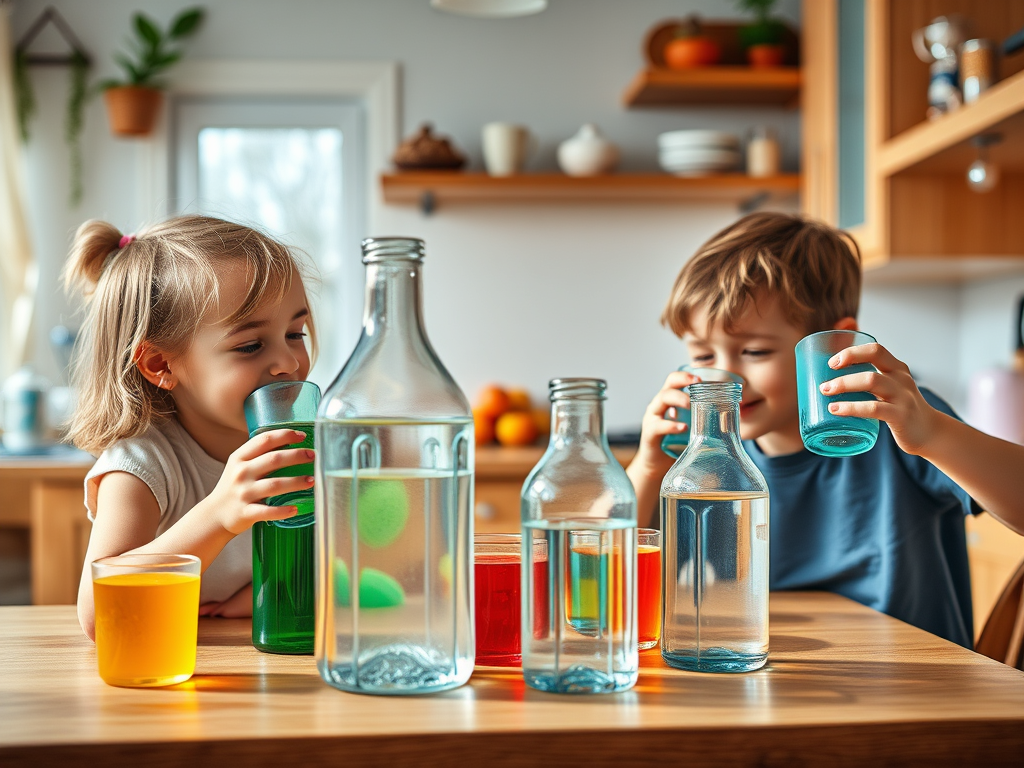
Caption: Simple, low-friction habits that help kids drink more water without turning it into a daily battle.
Alt Text: A kid-friendly water bottle on a kitchen table next to a snack, ready for easy everyday hydration.
Description: A bright, clean lifestyle photo showing a spill-resistant water bottle placed within reach beside a small snack on a kitchen table, reinforcing the idea that hydration works best when it is visible, simple, and part of the routine.
Leave a Reply