
Author: Tony Torres II
-
Hospitality Water: The Quiet Luxury Signal
Hotels and spas prioritize water quality to enhance guest comfort and satisfaction. Poor water can negatively affect experiences, causing dissatisfaction related to showers, beverages, and overall cleanliness. High-quality water supports luxury atmospheres by ensuring consistency and eliminating unpleasant tastes or odors, crucial for maintaining an inviting ambiance and operational efficiency.
-
Distilled Water Skincare 101: Mist Sprays, Cleansing, and Why “Clean Water” Matters
The quality of water used in skincare can significantly impact its effectiveness. Tap water often contains minerals and chemicals that leave residue on the skin. Using distilled water can reduce irritation and buildup, making it easier to assess how other products perform. Simple applications include misting, rinsing, and toning with distilled water.
-
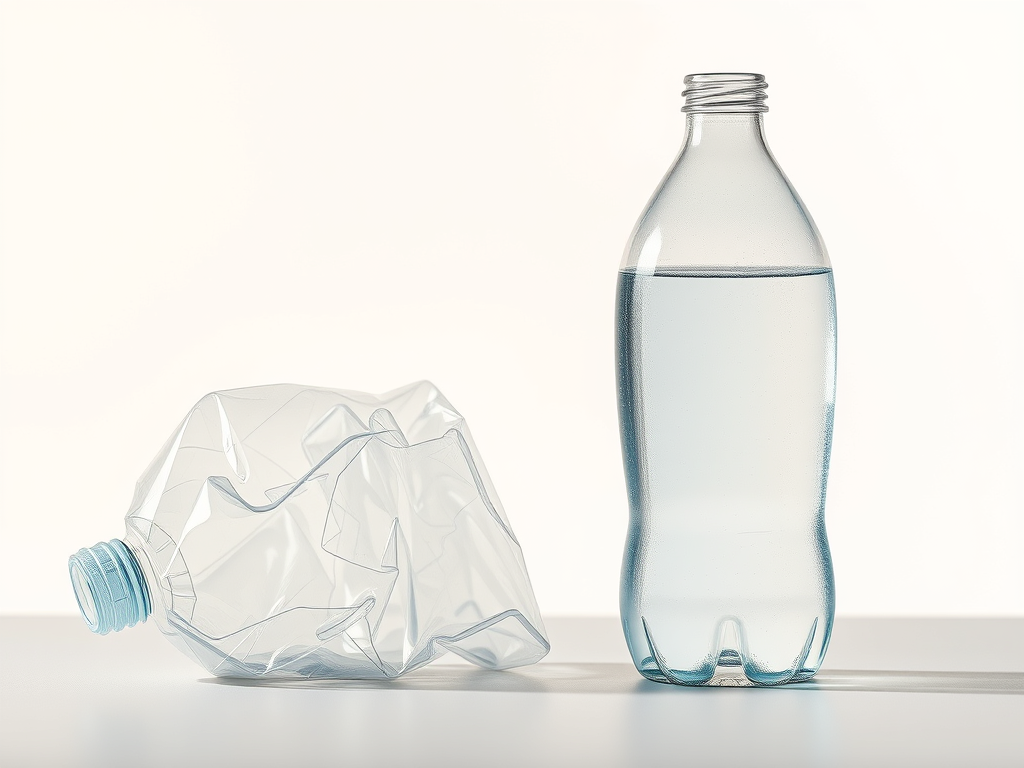
Glass Bottles vs. Plastic: The Real Tradeoffs, Not the Vibes Version
The debate between glass and plastic packaging revolves around various factors including taste, safety, convenience, and environmental impact. Glass is preferred for its neutral taste and reusability, while plastic is favored for its portability and lower cost. Ultimately, the choice depends on individual priorities regarding these trade-offs.
-

Pets and Hydration: Why Some Pets Reject Water (and How Taste and Bowls Change Everything)
Pets can be selective about their water due to factors like smell, bowl material, and freshness. Common reasons for water avoidance include odors, bowl shape, and location. To encourage drinking, use clean, neutral materials and refresh water often. If a pet’s drinking habits change significantly, consult a veterinarian.
-

LA Tap Water 101: Where it comes from, why it tastes different by neighborhood, and what changes seasonally
Los Angeles tap water is safe but varies by neighborhood due to different source blends, treatment choices, and plumbing conditions. Factors like temperature, seasonal shifts, and storage affect taste. Residents might notice differences in flavor based on local supply and infrastructure, while distilled water offers consistent quality when desired.
-
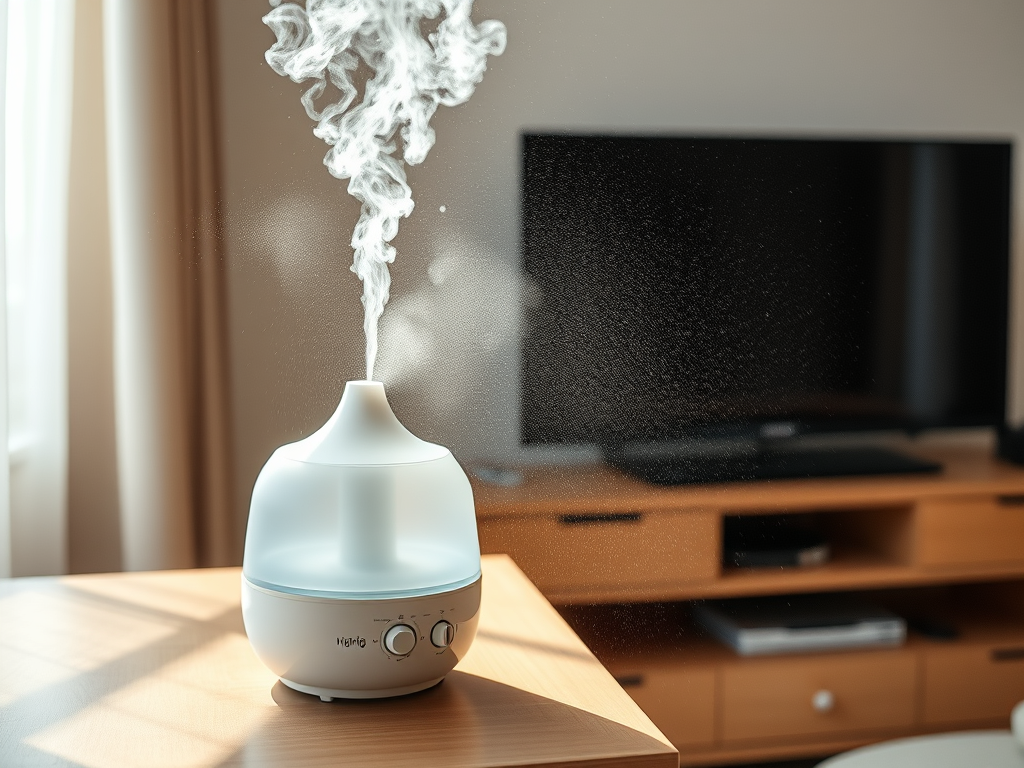
Humidifier White Dust Explained: What It Is, Why It Happens, and Why Distilled Fixes It
Humidifier white dust consists of mineral residue from water, primarily calcium and magnesium, which aerosolize during humidification. Ultrasonic humidifiers are the primary cause due to their misting process. Switching to distilled water, which lacks these minerals, effectively prevents white dust. Regular maintenance and cleaning are also essential to minimize buildup.
-

What Distilled Water Actually Is: How It’s Made and What “Pure” Really Means
Distilled water gets talked about like a mystery product You have probably heard it described as “the purest water,” “clean water,” or “water with nothing in it.” All of that is sort of true, but it is also vague enough to be misleading. This guide breaks down what distilled water actually is, how it is…
-
How Much Water Do You Really Need: A Simple, Non-Annoying Way to Estimate
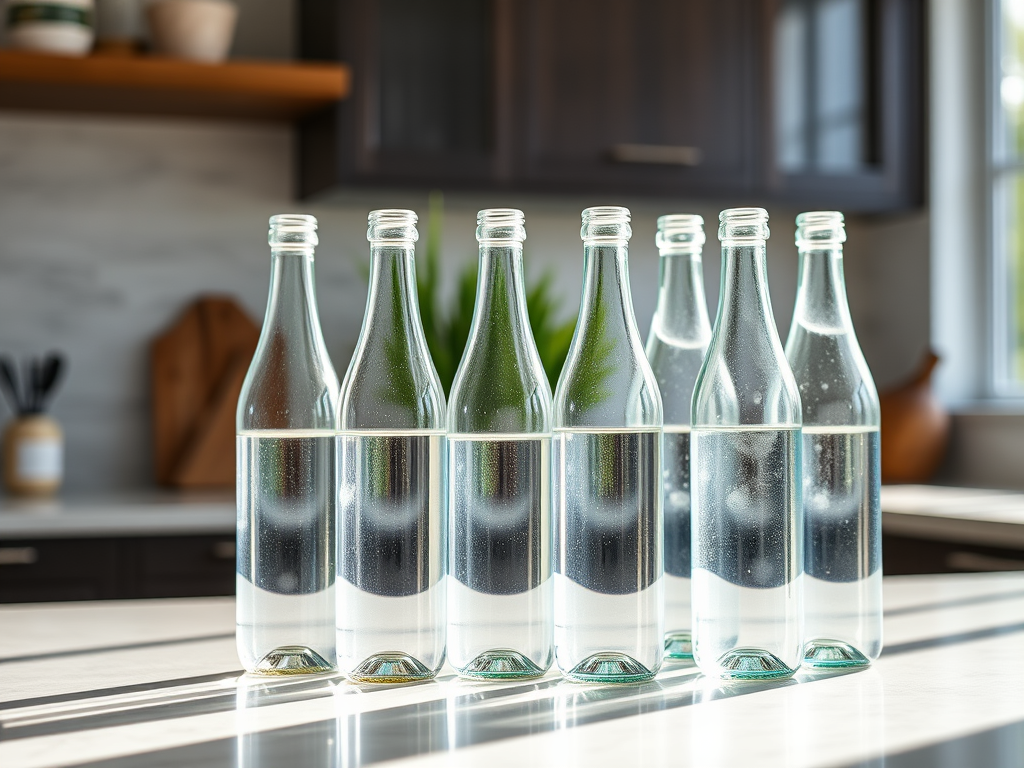
Most hydration advice falls into two buckets: either it is so vague it is useless, or it turns into a math problem you never do. Let’s fix that with a quick estimate you can actually use, then adjust it based on your real life. And if you want hydration to feel easier, not harder, keep…
-
Better Coffee at Home: What Distilled Water Changes in Flavor and Consistency
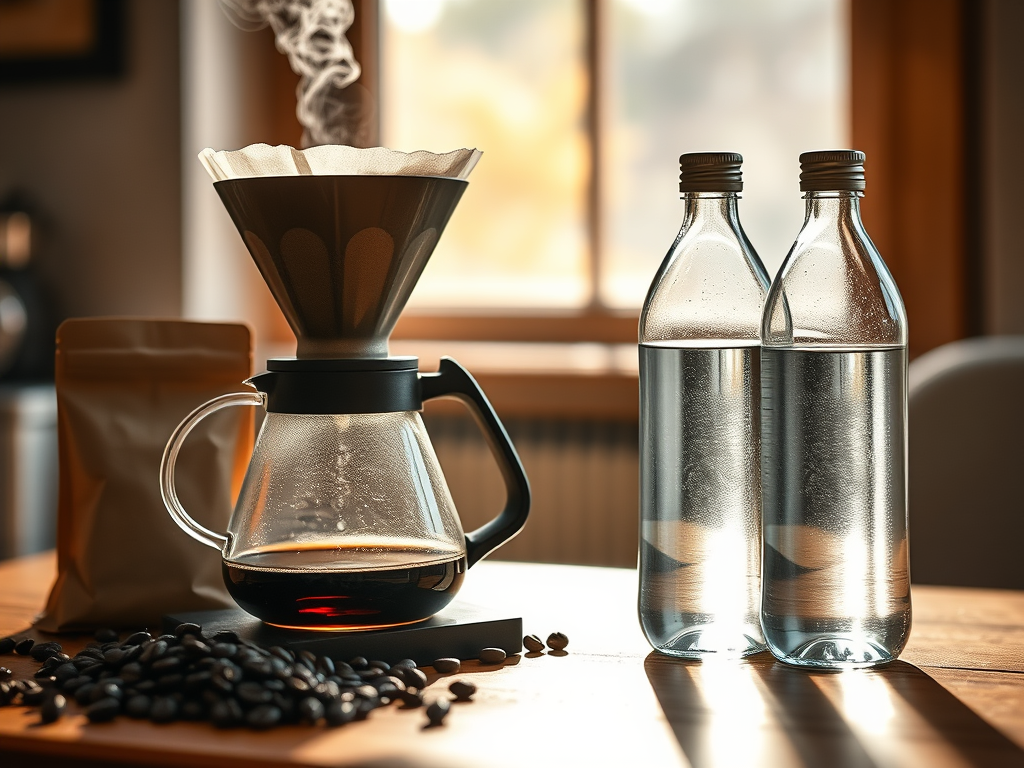
You can buy better beans, upgrade your grinder, and still end up with coffee that tastes a little off. Bitter one day, flat the next. Sometimes the crema disappears. Sometimes your pour over stalls. A lot of people blame the coffee. The quieter culprit is often the water. If you want a clean baseline you…
-

Emergency Water 101: How Much to Store, Where to Store It, and Rotation Schedules
For emergency preparedness, store at least 1 gallon of water per person per day for a minimum of three days, ideally two weeks. Keep water in cool, dark places, using food-grade containers. Regularly replace stored water every six months and plan for special needs, including pets. Rotate supplies efficiently.